If the eyes are the window to the soul, then the mouth must be the window to endless nightmares. The business ends of many, if not most, of the planetâs creatures are terrifying. Theyâre gorgeous and horrible instruments honed over millennia by evolution to grab, gouge, tear, and destroy thingsâoften flesh of other animals. Here, 10 such critters with scary, grotesque and/or downright weird teeth, tongues, and jaws that you wouldn't want to smooch on Valentine's Day.
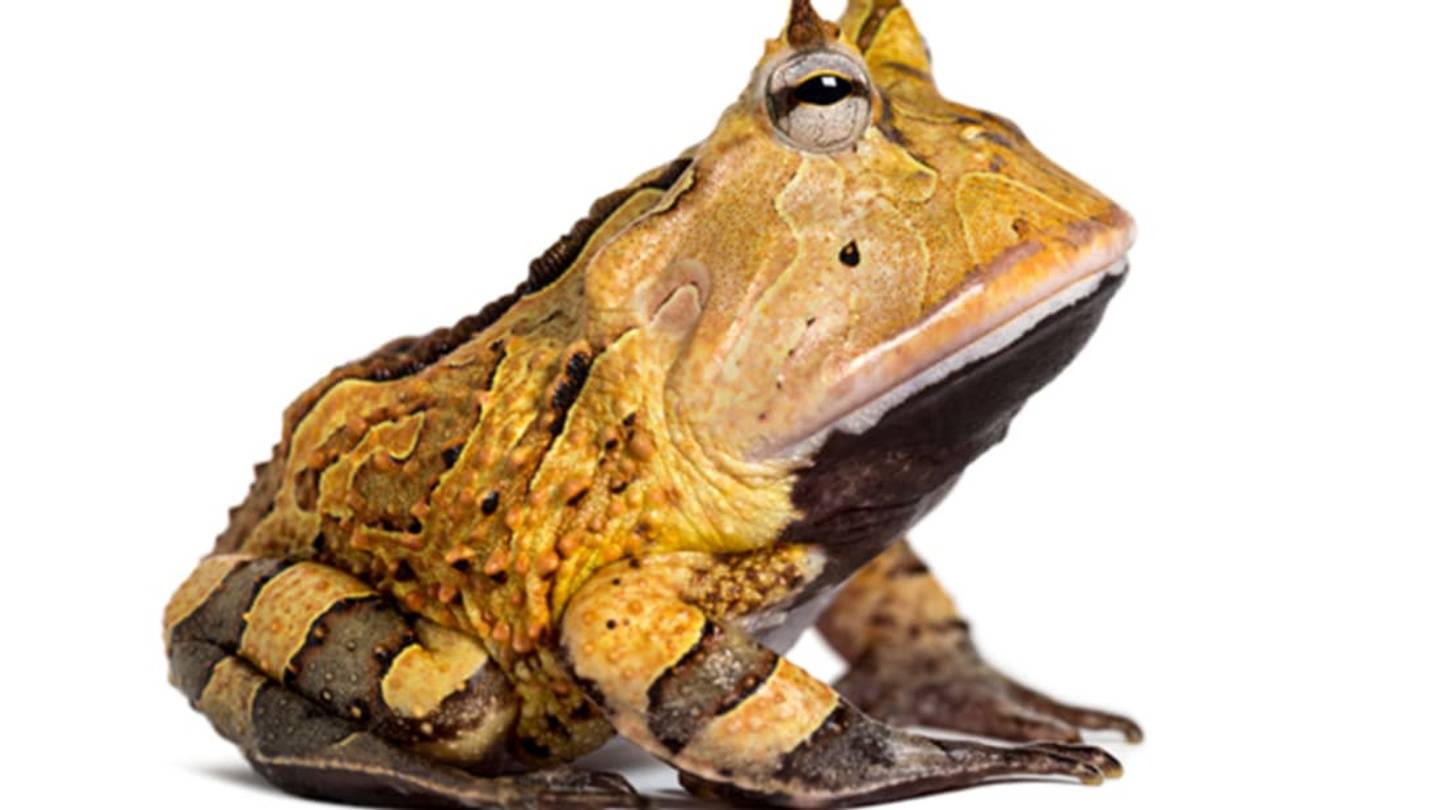
South Americaâs horned frogs munch on bugs like many of their brethren, but the big-mouthed amphibians (whose large maws earned them the nickname Pacman frogs) also take on larger prey. They grab lizards, snakes, rodents, crabs, and even other frogs with their sticky tongues and pull the preyâwhich is sometimes as large as themselvesâinto their mouths. Their secret to landing such big items is a very strong tongue. Last year, scientists in Germany measured the pulling forces of the frogsâ tongues and found they averaged around 1.4 times the frogâs body weight. âTranslated into human dimensions, that would be an 80-kilogram [176-pound] person lifting 112 kilograms [246 pounds] just by using his or her tongue,â one of the researchers, Thomas Kleinteich, told National Geographic .Â
One month a year, the normally bare-faced male emei moustache toads grow a variation on the facial hair that gives them their name. Itâs like an amphibian version of Movember, but instead of being fuzzy fashion accessories, the moustaches are made of a row of hard keratin spikes and meant for fighting. During the toadsâ short mating season, the males battle for nesting sites and the chance to mate by grappling and trying to stab each otherâs soft undersides with their weaponized cookie dusters.Â
Pythons regularly swallow large animalsâ antelope , alligators , even people âwhole. How do they not choke to death? The opening to the pythonâs windpipe, called the glottis , can actually extend outside of the snakeâs mouth so it can keep breathing with its mouth full.
Camels and sea turtles: Both kind of cute as long as you never catch one mid-yawn. Both animalsâ mouths look something like the Sarlaac from Return of the Jedi , a horrible chasm covered in growths that could pass for either teeth or tentacles at first glance. Those things are actually papillae, which help camels, leatherbacks and some other animals with eating by pushing food down their gullets. In the turtlesâ case, they also keep a grip on jellyfish, prevent them from slipping back out of the mouth, and protect the turtle from stings.Â
Cookie cutter sharks are just two feet long, but instead of chomping down on smaller prey appropriate to their size, theyâve mastered hit-and-run attacks on larger animals, nibbling off a bit of flesh here and a bit of flesh there. As the misleadingly cute name implies, cookie cutters take these meaty morsels out in round little chunks. They do this by suctioning onto prey with their mouths, anchoring themselves with their upper teeth, and twisting and rotating their bodies while slicing into their victim with their serrated lower teeth until a circular cut is complete. The sharks have been known to feed like this on dolphins, whales, seals, other sharks, naval submarines , and, in the first documented attack on a person, marathon swimmer Michael Spalding .
The stoplight loosejaw is another fish whose name should give you an idea of its M.O. Its long lower jaw, which accounts for 20 percent of its total length, has no floor and can be thrust out to spear prey (the âstoplightâ part of the name, meanwhile, comes from the fact that it produces red light from special organs on its head). This adaptation, and the fishâs large fangs, led scientists to believe that loosejaws ate fish and shrimp, but studies of their stomach contents show they mostly prey on copepods . These tiny crustaceans likely provide the chemicals that the fish need to see the red light they produce for hunting and communication.Â
The goblin shark can pull a similar trick and launch its upper and lower jaws forward.
The moray eel has two sets of jaws, like the Xenomorphs in the Alien movies. After the eel bites into a fish with its main jaws, the second set moves forward from its throat, latches onto the food, and pulls it into the esophagus.
The trap-jaw ant Odontomachus bauri has the smallest mouth on this list, but what it lacks in size, it makes up for in speed. The antâs â spring-loaded â mandibles snap shut at 145 miles an hour âone of the fastest bites in the world. Theyâre useful not just for dismembering prey, but also getting out of tough situations. When they close, the mandibles strike with a force that can âexceed 300 times the antâs body weight,â says biologist Sheila Patek, and the ant can fling itself away from danger by snapping its jaws against the ground.Â
Loading recommendations... Please wait while we load personalized content recommendations