Want to meet an animal you canât find anywhere else? As the worldâs most biodiverse country, Costa Rica can offer more options than any other destination. Here are 11 amazing critters that are worth including in your vacation plans.
The great tinamou represents one of the oldest bird lineages in the world, and a species canât survive for that long without a successful reproduction strategy. But scientists were vexed by just how the great tinamou was pulling that trick off until a few years ago. Despite living on the forest floor with snakes, jaguars, and other predators, the great tinamou lay highly visible, bright green eggs. Even though this coloration sounds like a recipe for an easy snake lunch, it might be the secret to the birdsâ survival.
Great tinamou are polygynandrous, which means that multiple males mate with multiple females. When the eggs are laid, the bright color attracts other tinamou to the nest, where they lay more eggs. Eventually, there are so many eggs in each nest that no predator could eat all of them. Despite 75 percent of tinamou eggs getting eaten, the species continues to thrive.
One of the most visually striking of Costa Ricaâs frogs, the strawberry poison dart frog had their genus changed in 2006 to Oophage thanks to some rather unusual parenting habits. After the eggs hatch, the mother takes the tadpoles to bromeliads and places one tadpole in each bromeliadâs well. The mother then comes by once a day to feed her tadpoles an average of five unfertilized eggs. The Oophage of their new genus means âegg eater,â since these eggs are the only source of nutrition for the tadpoles until they undergo their metamorphosis into frogs.
The species name of this variety of hummingbird literally means âadorable,â and once you see one, youâll be hard-pressed to disagree. Although coquettes are a common type of a hummingbird throughout Central America, if you want to spot the white variety, your best bet is to look in Costa Rica. And the white crested coquette is more than just a pretty faceâitâs a critical pollinator for plants that canât be pollinated by bees or butterflies.
Of the 14 species of Darwin finchesâbirds collected and studied by Charles Darwin on his legendary voyageâ13 reside on the Galapagos Islands. The 14th bird lives exclusively on Cocos, an island off Costa Ricaâs Pacific coast. While the Galapagos finches are famous for developing different shaped beaks for different diets, the Cocos finch took another approach and eats a wide range of food sources from nuts to crustaceans. Why? Because the island is so small, populations of birds donât get isolated enough from each other to develop into their own species. And unlike the Galapagos, no humans have ever settled Cocos Island, which means itâs still one of the worldâs most pristine places.
The sooty thrush was known as the sooty robin until ornithologists weighed in and reclassified the bird in 2008. While these birds are related to American robins, the word ârobinâ more accurately refers to the European robin. And since the Latin American ârobinsâ arenât brightly colored, it was deemed that they should be referred to as thrushes instead, keeping the name robin reserved for the American red bird. Whatever you call the bird, keep an eye out for it in Costa Ricaâs highlands (it is only found in Costa Rica and bordering Western Panama).
Several species of blennies are endemic to Costa Rica. These small, visually striking fish are characterized by rows of teethâor sometimes even canines. They live in empty wormholes in coral reefs, so you might catch a glimpse of one on a snorkeling or diving trip.
Bare-necked umbrellabirds look unusual during most of the year thanks to their rock star-worthy crowns of feathers and the large red area of skin on their throats. During mating season, however, the males inflate the throat sac until it looks like a large fruit. Then, to make the show even better, the male leans forward and makes a loud boom that sounds like something banging into an empty barrel. Romance!
Costa Rica is a lepidopteristâs paradise. The country boasts more butterfly species than Canada and Europe combined, so wherever you go, youâre likely to spot some interesting behavior. One thing to look out for: Butterflies need sodium and other minerals to lay their eggs âthey get these necessities by âmud-puddling,â or drinking from mineral-rich puddles.
While it hasnât been spotted for several years, another animal found only along the border of Costa Rica and Panama is the golden frog. Golden frogs have no eardrums, so they wave their âhandsâ and feet to communicate. The frogs still make a variety of sounds, so itâs possible that their skin is tuned to the frequency of their calls, eliminating the need for eardrums.
Although sea turtles live all over the world, Costa Rica is undoubtedly the best place to spot a variety of nesting sea turtles. Of the seven species of sea turtle, five nest on Costa Rican beaches, including leatherbacks, green, olive ridley, loggerhead, and hawksbill. The most famous of these nestings has to be that of the olive ridley. Known as the arribada, Spanish for âarrival by sea,â these nestings can involve tens of thousands of turtles coming to shore, laying eggs, and leaving. No one knows how the turtles know when to do this, but the best place to see one is the Ostional National Wildlife Refuge in Costa Rica, where they occur around eight times a year.
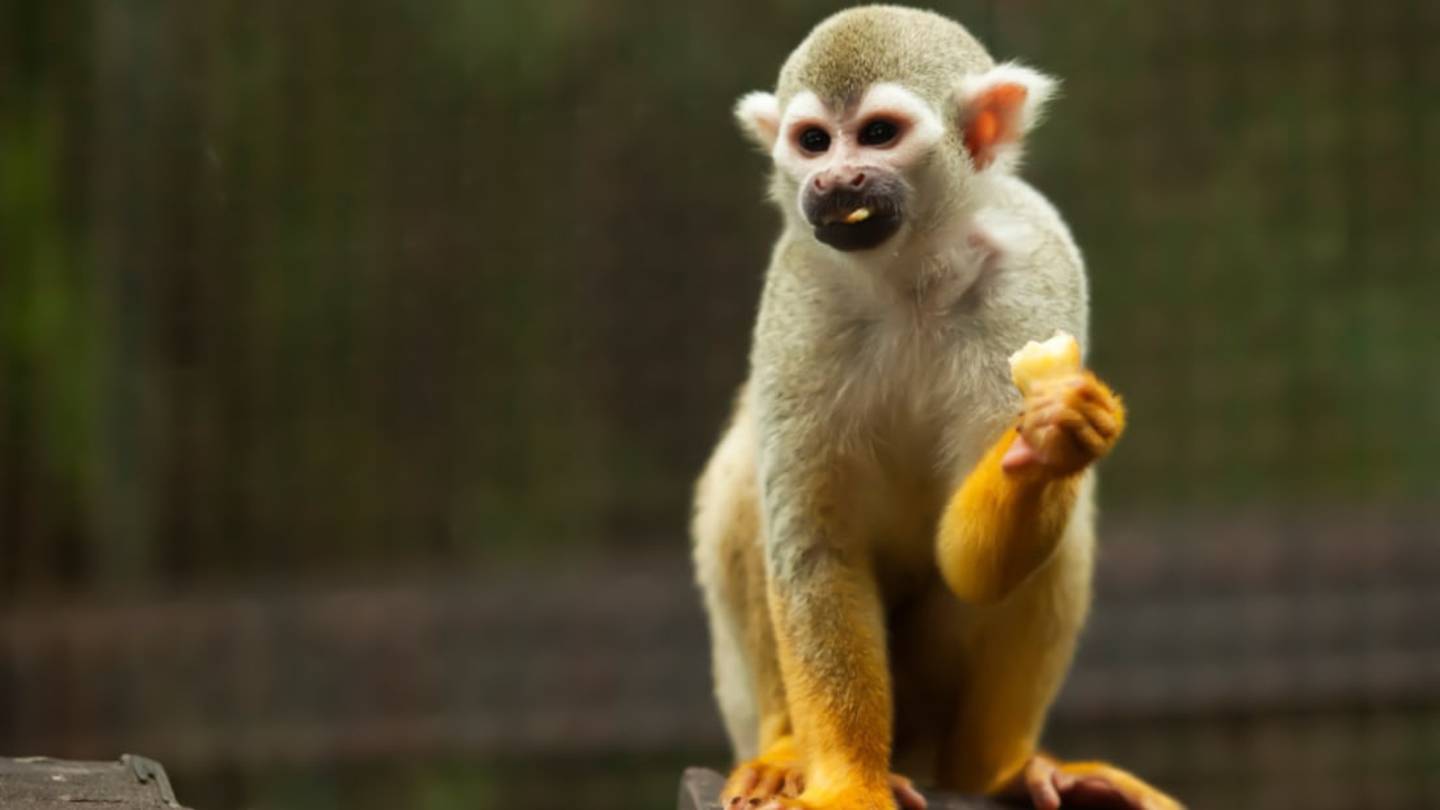
Squirrel monkeys are common throughout South America, but in North America they are restricted to the border of Costa Rica and Panama. Researchers previously thought that squirrel monkeys were introduced by pre-Columbian traders, but now itâs believed that they came to Central America 2 million years ago and then disappeared from northern South America. They are North Americaâs most endangered monkeyâthe grey crowned subspecies is found only in a small area of Costa Rica.
Loading recommendations... Please wait while we load personalized content recommendations