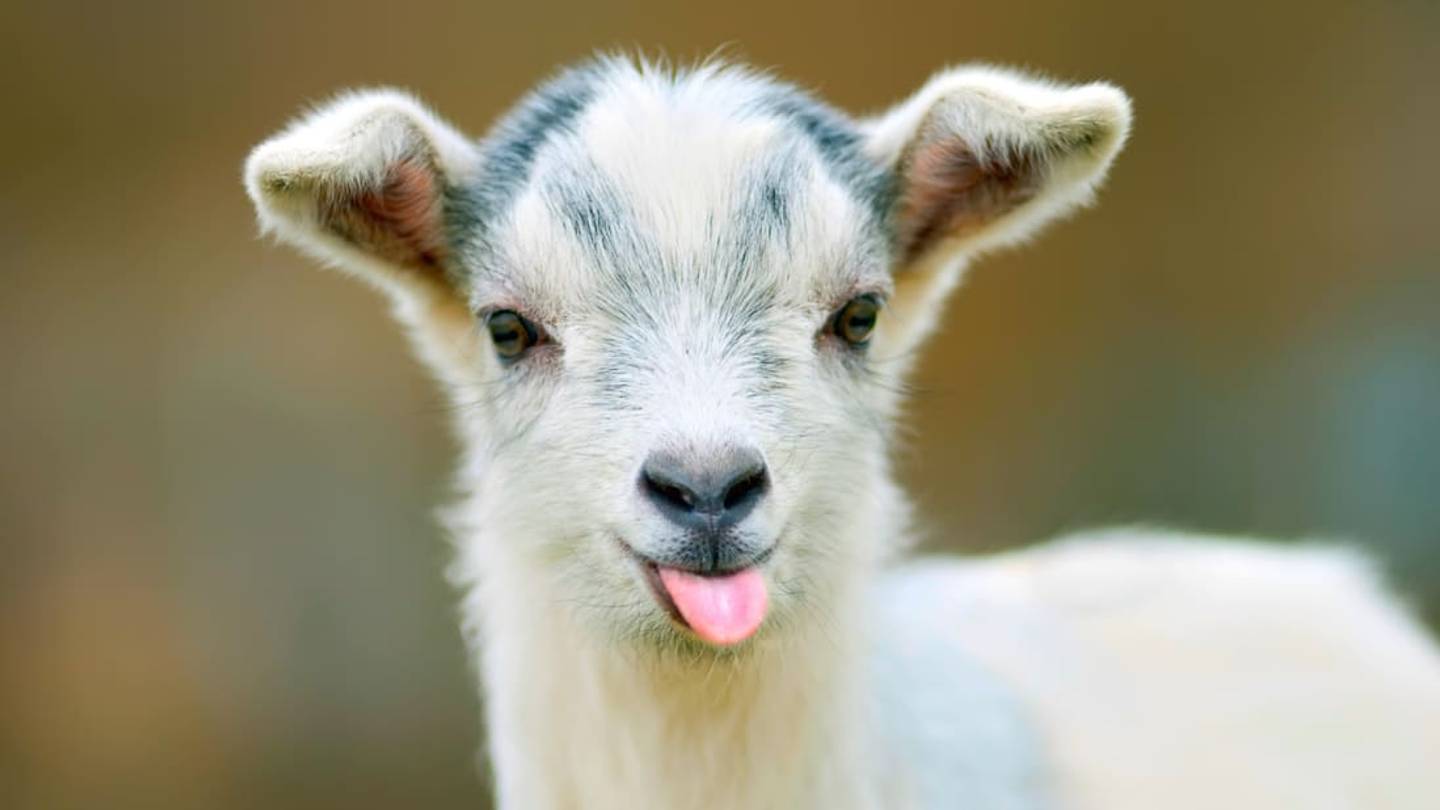
Goats and humans have a long and productive history together. Over the millennia, weâve found a range of interesting uses for these incredible animalsâwhich are also capable of some unbelievable feats of their own. To celebrate National Dairy Goat Awareness Week, here are 15 amazing facts about goats.
The great goat domestication took place about 11,000 years ago in the Near East. The event was a pivotal moment in human history that represented a key shift of mankind from hunter-gatherers to agriculture-based societies.
The earliest European settlers of America brought goats over on the Mayflower . By 1630, a Jamestown census listed goats as one of that colonyâs most valuable possessions.
The fair was host to the first dairy goat show in America as well as an exhibit featuring 300 Angora goats, the most ever shown at one time. With their heavy coats of curly mohair, the Angoras drew swarms of fans to the Louisiana Purchase Exposition and increased national recognition for the breed.
You may know that a baby goat is called a kid, but did you know that, because of that, a goat giving birth is said to be âkiddingâ ? Weâre not ⦠joking.
Instead, they just have a strong dental pad. They do, however, have an incredibly mobile upper lip that helps them to sort through spiny, thorny twigs to find plantsâ tender leaves.
This unusual shape , shared by sheep and several other ungulates, gives them a fuller range of vision than humans and other animals with round pupils. Goats can see 320 to 340 degrees in their peripheryâeverything except for whatâs directly behind themâwhich is useful in avoiding predators. The drawback to the flattened pupil is that goats are unable to look up or down without moving their heads.
The four-chambered stomach helps goats digest tough roughage like grass and hay. Food enters the rumen first and then passes to the honeycombed reticulum where non-digestible objects are separated out. In the omasum chamber, water is removed from the food before it finally enters the âtrueâ stomach, the abomasums.
Even though we drink cowâs milk almost exclusively here in the States, around the globe more people eat and drink meat and milk from goats than any other animal.
Itâs naturally homogenized (meaning it doesnât separate out into layers in its original state) and is easier to digest than cowâs milk, even by people who are lactose intolerant. Itâs also higher in calcium and vitamin A.
One of the more remarkable species of goats is the myotonic goat, better known as the fainting goat. Because of a genetic quirk, when they get excited or startled, myotonic goatsâ muscles freeze up, causing them to topple over. Theyâre not actually faintingâthey remain totally conscious and their muscles return to normal within minutes or secondsâbut the notable behavior has made them Internet favorites .
Among the many pets that populated the White House during Abraham Lincolnâs time in office were two goats, Nanny and Nanko . They were particularly beloved by Lincolnâs son, Tad, who even used them for chariot rides around the White House.
The incredibly soft and expensive cashmere is made of the downy winter undercoat produced by certain goats. The price of cashmere is so high because the hand-wrought process of separating the silky material from the goatâs wiry outer coat is incredibly time-consuming. And, it takes at least two goats to make every sweater.
According to an Ethiopian legend, the stimulating properties of coffee were discovered when a goat herder found his flock frolicking with extra verve after consuming the red berries of the coffee shrub. The plant had the same energizing effect on the herder himselfâand with that, the tradition of drinking coffee was (supposedly) born.
Not only can they survive in precarious rocky habitats, they can even climb trees .
Just as human voices will vary in cadence and inflection by geographical region, a particular goatâs bleat will sound different from that of a goat in a different country.
Loading recommendations... Please wait while we load personalized content recommendations