If you have child-rearing questions, Mother Natureâs got plenty of helpful tips⦠most of which wonât be showing up in traditional parenting manuals anytime soon. Instead of following in these creaturesâ footsteps, just be happy your parents were humans.
Formica selysi is a species of Old World ant famous for a particularly extreme survival strategy. When a colony is threatened by rising water, its members use their own bodies to make a raft⦠and put their chubby infants directly at the bottom for added buoyancy.
Evolutionâs nothing if not crafty. European cuckoos lay eggs that look virtually identical to those of other birds. A stealthy mother will invade a nearby nest, discard the ownerâs actual eggs, and replace them with her own. As a result, the unaware birds often wind up raising hungry cuckoos instead of their real chicks.
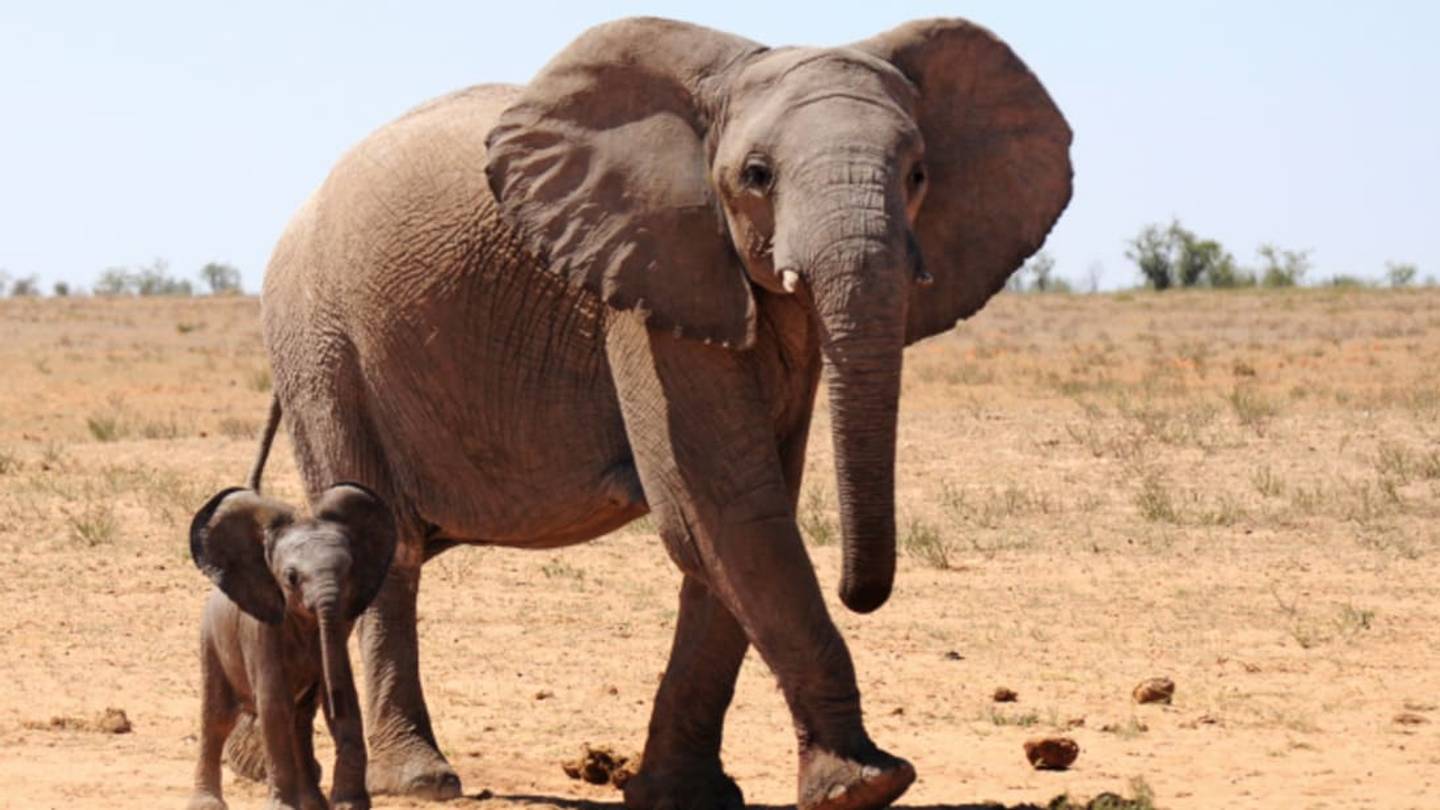
Few carnivores would dare take a swipe at an adult African elephant. However, lions have been known to take down defenseless juveniles from time to time. In an attempt to nip the problem in the bud, these massive herbivores actively stalk lion cubs. Allâs fair in love, war, and parenting in the animal kingdom.
Thereâs letting your mother feed you and then thereâs literally feeding on your mother. The female Taita Mountain Caecillianâa species of limbless amphibianâhas a unique way of helping her babies grow up big and strong: she allows them to nibble on chunks of her own skin with their razor-sharp teeth.
The Pacific Giant Octopus takes motherhood very seriously. Moms have been known to go for a full six months without feeding while guarding their eggs in a specially selected den. After they finally hatch, the exhausted parent often dies from her ordeal.
Brothers and sisters always fight, but if one of them happens to actually execute the other during a squabble, look on the bright side: at least the family food budget goes down a notch. Such is the attitude of the Black Eagle, which lays two eggs and generally permits the elder sibling to kill its younger nest-mate.
Because male bottlenose dolphins kill calves that arenât theirs, resourceful mothers try their darnedest to keep the fatherâs identity a mystery. Mum can dramatically increase her childâs chance of survival by gathering as many mates as possible, since males are less likely to attack juveniles they suspect to be their own progeny.
In lieu of mammary glands, some fish, such as the Midas Cichlid, secrete a nutritious mucus for their young to ingest.
The male Darwinâs Frog swallows its own tadpoles and lets them brood over a 50 to 70 day period in his vocal sac. When they turn into miniature froglets, he promptly regurgitates them.
Cockroaches get a bad rap. The younglings of one aquatic species scientifically known as Phlebonotus pallens are housed under their motherâs wings, where she permits them to suck her own blood until theyâre old enough to fend for themselves. Talk about dedication!
Nursing patas monkeys have to be constantly on guard against childless females, who regularly kidnap temporarily unattended infants. Fortunately, these would-be parents usually donât get very far, as the rightful moms are quick to retrieve their little tykes.
When it comes to the Doederleinâs Cardinal fish, a dad is as faithful as his options. After mating, expecting fathers store the eggs in their mouths until theyâre ready to hatch. However, should an attractive home-wrecker swim by, the male will actually cannibalize the whole bunch and try to mate with her.
Spotted hyenas are intensely political animals. Although itâs a rare occurrence, females have been known to slaughter the offspring of rival moms within their clan to ensure that a greater share of the groupâs resources go to their cubs instead.
Think you donât get out much? At least youâre not a female great hornbill. These Asian birds mate for life and take no chances when nesting season rolls around. After consummating their relationship, a pair will locate a spacious hole in a nearby tree. Once they do so, the mother is sealed inside, where she remains for four full months. Dad drops by several times a day to stuff food through a narrow slit for his spouse and their bouncing baby chicks.
Scottish researchers have found that burying beetle larvae who beg for food by poking their parentsâ mouths too often run the risk of winding up as an entrée themselves, for moms are liable to eat their neediest offspring.
Loading recommendations... Please wait while we load personalized content recommendations