We may be biased, but we think the human brain is pretty special. All this week, mentalfloss.com is celebrating this miracle organ with a heap of brain[y] stories, lists, and videos . It all leads up to Brain Surgery Live With mental_floss , a two-hour television event hosted by Bryant Gumbel. The special airs Sunday, October 25 at 9 p.m. EST on the National Geographic Channel.
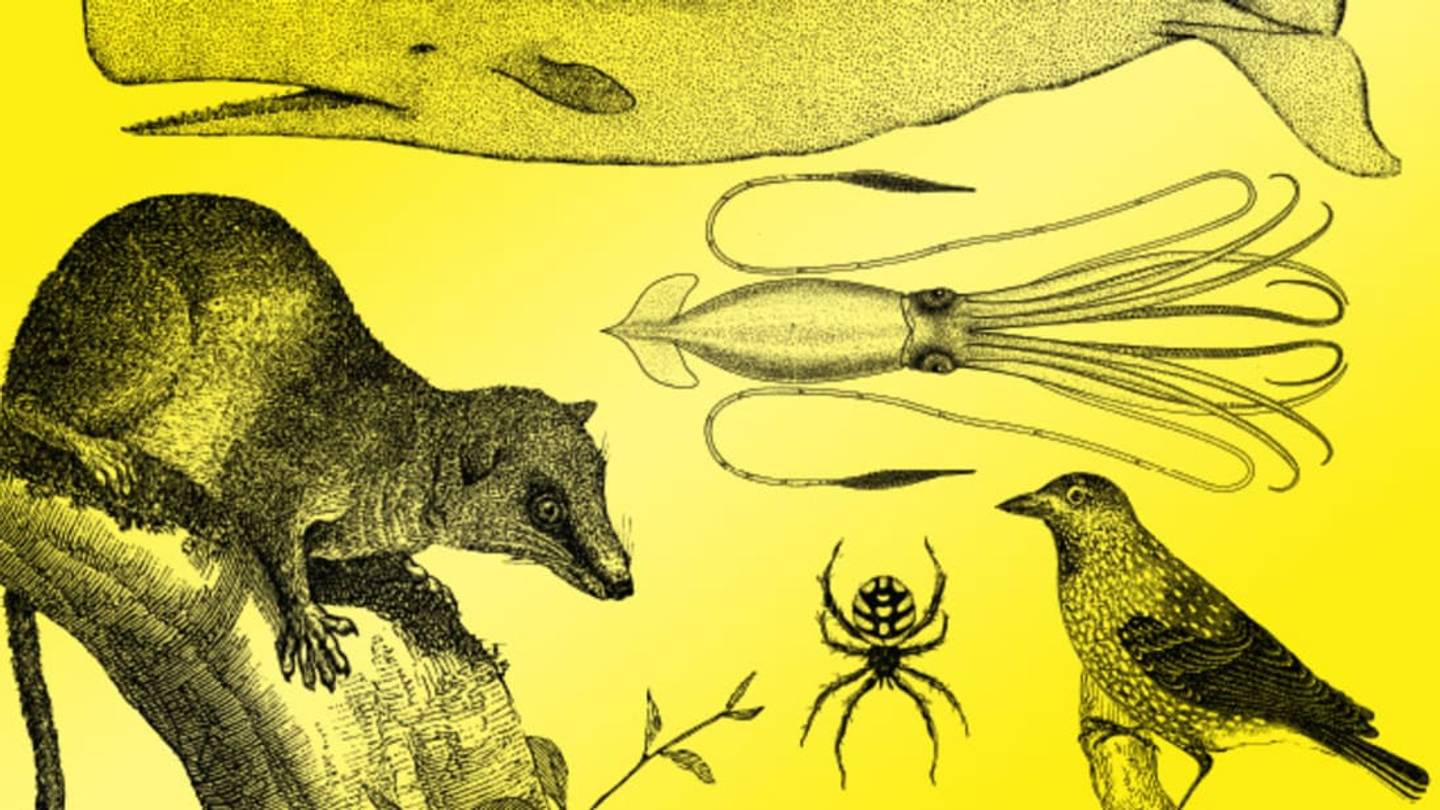
Brain size may not matter, but proportions sure do. Thanks to a biology principle called Hallerâs Rule, the brains of small animals must take up more room to function. The result? Tiny animals have giant brains for their body size, while larger creatures have hilariously small ones. Ants, for example, are 15 percent brain! Humans? Not even 3 percent. The wacky proportions mean some animals have unusual brainsâjust ask these guys.
The tree shrew is a mystery. Itâs ratlike but closely related to primates. Scientists have trouble classifying the critter. Even more impressive? It has the highest brain-to-body-mass ratio of any mammal, beating humans.
At roughly 16 pounds, the sperm whaleâs brain is the biggest on land or in the sea. But donât be fooled. Itâs pretty measly, considering the whale weighs 50 tons. Most of its head is filled with fatty, yellow tissue called junk.
Circling around the esophagus, the giant squidâs brain is shaped like a donutâand weighs about as much as one, too. Since every meal passes through the squidâs brain, a large bite of food could actually damage it.
As with other corvids, the brain-to-body ratio of the Clarkâs Nutcracker rivals that of great apes. The bird has a remarkable memory. Of the 30,000 pine nuts it buries a year, it remembers where at least 70 percent of them are.
The tiniest spiders think on their feetâliterally. Because their heads and torsos are so small, the central nervous system of small arachnids spills out of their heads ... and into their legs.
Loading recommendations... Please wait while we load personalized content recommendations