When it seems there arenât enough hours in the day to do everything I need to do, itâs easy enough to adjust. If Iâve got a lot of different stories to work on, maybe Iâll get up an hour or two earlier than I normally do, or put in a few more hours of work after dinner. Itâs not fun stretching the workday out like that, but the worst thing that happens is I lose a little sleep or have to DVR True Detective for later .Â
For some other animals, though, putting in extra hours can be deadly.
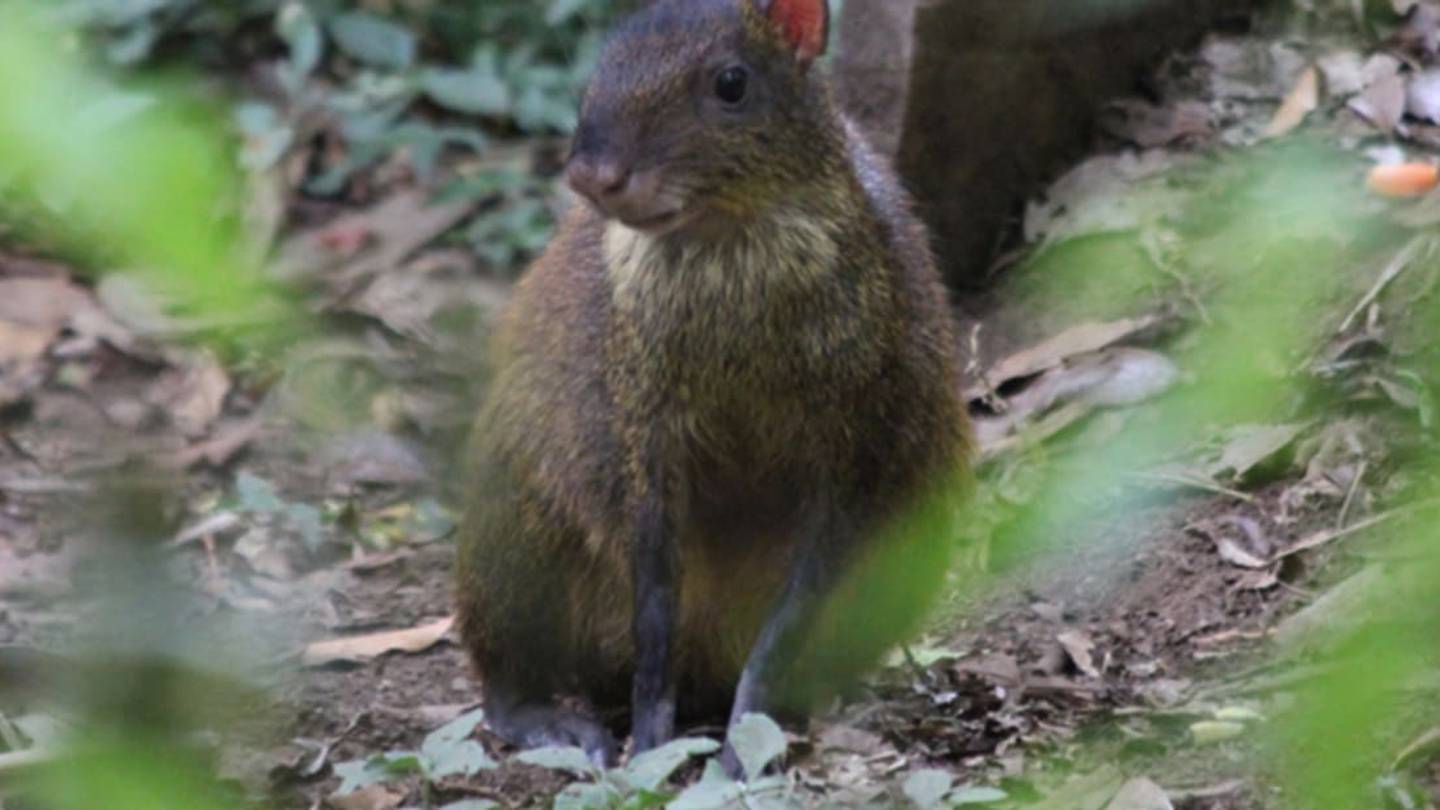
Meet the agouti, a Central and South American rodent that looks a little like a streamlined, long-limbed guinea pig. These little guys spend most of their time looking for fruits, seeds and other foodâsome of which they eat right away and some of which they store away for the rainy summer season.
The agoutiâs main predator is the ocelot, a medium-sized cat also known as the âdwarf leopard.â Fortunately for agoutis, the two species are on opposite schedules. When researchers from Europe, Central America, and the U.S. tracked the animals with camera traps and radio collars, they found a whopping 94 percent of the agoutisâ activity took place during the day, while 78 percent of the ocelotsâ took place at night.Â
Between midnight and dawn, the researchers found 30 ocelots for every one agouti, which means late hours are risky business for the rodents. Early to bed and late to rise keeps an agouti alive, it seems.
But some agoutis, like the 10 radio-collared animals that were killed by ocelots at night during the study, donât have the luxury of keeping normal business hours. If their home range has lots of food, they can afford stay in their burrows later in the morning and get back there earlier in the evening. If they have less food around, though, theyâve got to work harder and longer to get it. Maybe they go foraging a little earlier, or stay out a little later. Either way, the researchers found that agoutis in less food-rich areas were more active when it was dark out, and more likely to make a meal for an ocelot. Too much work can be a killer.
Agoutis arenât too different from us, the researchers say. Weâre both busy mammals with too much to do, and not enough time to do it. âThe next time your alarm seems too early, and the sky is still dark outside, consider the chances there is an ocelot outside your bedroom,â they write on their blog. âMaybe its ok to hit snooze one more time.â
Loading recommendations... Please wait while we load personalized content recommendations