Despite every cartoon of ostriches youâve ever seen, they donât bury their heads to avoid danger. If they sense trouble and canât run to safety, ostriches actually hit the ground and stay motionless. So, where did the myth come from? Ostriches dig holes into the sand for their nests, and when they lower their heads to turn the eggs in the nest, it appears as if theyâre hiding their noggins.Â
Below, we debunk one myth about dozens of animals âfrom the idea that cows have four stomachs to a lemming myth that got an assist from some highly unethical filmmakingâbased on an episode of Misconceptions on YouTube.
Toads may look like they need a good dermatologist, but thereâs no need to worry: They canât pass any skin conditions to you. Warts are caused by the human papillomavirusâthe key word being, human . A wartâs lumpy appearance is due to epidermal cells multiplying due to the virus. Warts can spread based on skin-to-skin contact, but not toad skin. While weâre at it, letâs debunk another one: Frog or toad urine canât give you warts , either.
Call this one a meta-misconception. Many websites will tell you that cattle are colorblind, and thereforeâdespite the common belief that red enrages bullsâthe choice of color for a matadorâs cape is actually arbitrary. We canât speak to a bullâs interior emotional state or the exact reasoning behind that toreador tradition, but we can tell you that part of this would-be misconception gets the facts wrong.
As Scientific American puts it, âPerceptual measurements indicate that cattle can discriminate red from green and blue but not green and blue from each other.â And though bulls were, indeed, shown to charge at all sorts of moving objects in one study, they did so more forcefully when the object in question was a warm color. The idea that bullfighters choose crimson-colored capes to better hide bloodstains is, unfortunately, entirely plausible. But that doesnât mean that a red and blue cape would be equivalent in the eyes of a bull.  Â
Only two species of armadillo , the Brazilian and southern three-banded armadillos, can roll up into balls at all. And they donât do it to escape predators; they do it so their armor protects their bodies. Their armor can even act as a trap to snap closed on predatorsâ paws. Ironically, as a paper in the Journal of Mammalogy put it, the rolling into a ball âfacilitates its capture by humans and increases the vulnerability of both species to hunting.â
Disney may be known for its heartwarming animal movies, but in 1958 , Disney filmmakers were quite heartless to lemmings. While shooting a documentary called White Wilderness , filmmakers captured scenes of the tiny rodents leaping into the sea to their deaths. It was supposedly a harrowing look at a phenomenon known as mass lemming suicide. But that phenomenon didnât actually exist. The crew brought lemmings into a non-native habitat, then threw them off a cliff into a riverâ not the oceanâto capture the scenes. The truth is that lemmings do sometimes move as a herd to find more food, and when they cross bodies of water, some donât make it. But this dramatic taleâwhich Disney didnât invent but certainly helped solidify with its unethical filmmakingâis not an accurate representation of the adorable animals.
If you happen across a porcupine , donât freak out; itâs not going to impale you with razor-like quills from 10 feet away. Though it was once believed that the rodents could shoot out prickly projectiles, we now know otherwise. The quills easily detach when porcupines are threatenedâwhich is why dogs and other predators sometimes come away with a snout full of needles after a close encounterâbut they donât go launching through the air.
According to the AKC, this âformulaâ has been around since the 1950s, but itâs not accurate. Some speculate that the rough estimate was created to help educate people on their petsâ lifespans. People at the time realized that dogs generally made it to around 10 years old while humans lived to about 70, and then they overgeneralized. These days, there are better ways to calculate âdog years,â but all of it depends on the size of the dog. For example, the first year of a medium-sized dogâs life equals about 15 human years. Year two equals about nine years. And every year after that is roughly five years.
Sloths are notoriously slow but donât mistake their sluggishness for laziness. Their speed is due to a low metabolic rate , which means they need to conserve energy for survivalânot for kicks.
Research and experiments have consistently failed to show that elephants specifically find mice threatening. Thereâs no big reaction when the gentle giants come nose-to-nose with a mouse. Itâs true that, just like humans, they donât particularly love it when little things come scurrying out and take them by surprise. But if youâre looking for a little critter that sets elephants off, you might want to set your sights on ants. Elephants seem to react genuinely negatively to the insects, perhaps because they donât want to get them up their trunks.Â
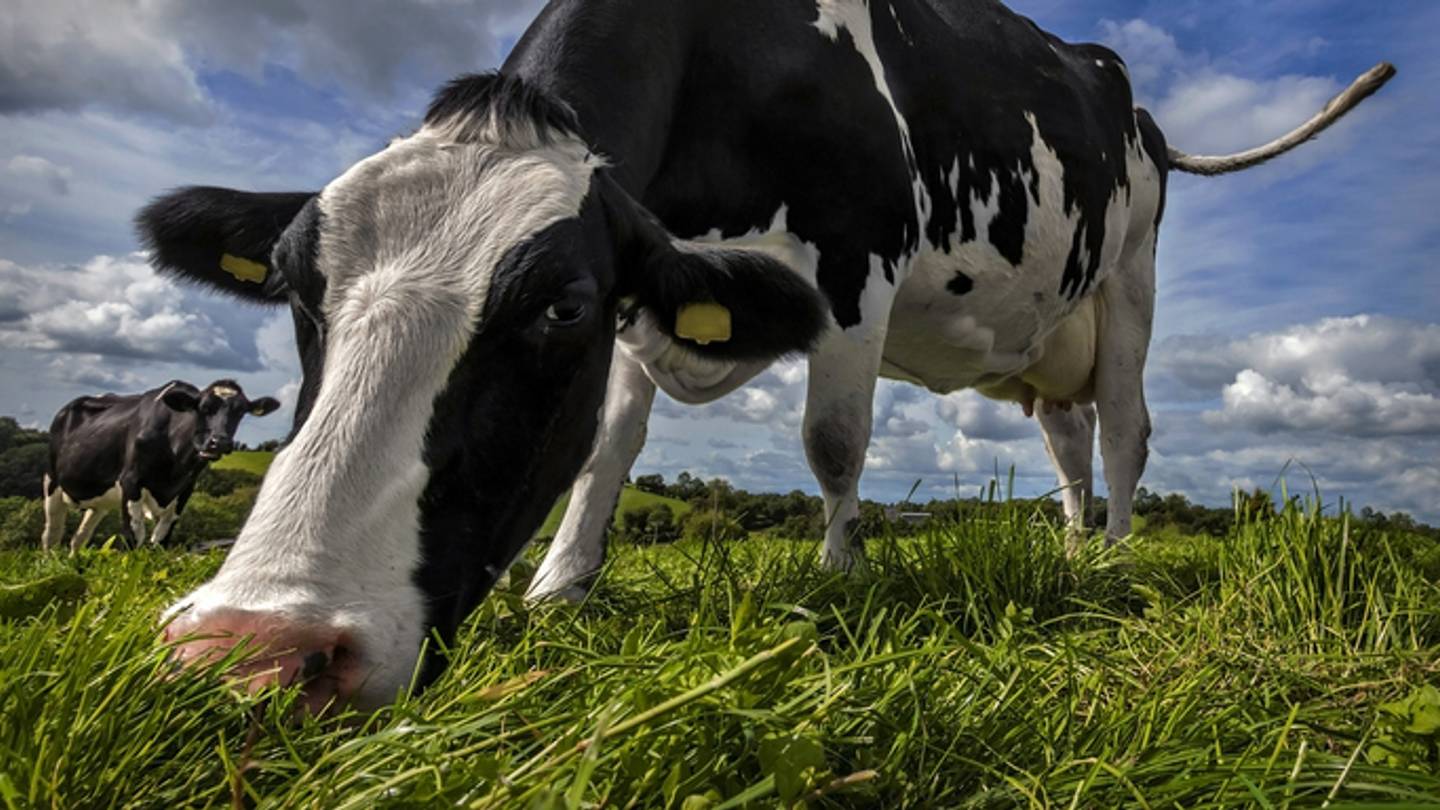
Youâve probably heard the myth that cows have four stomachs, but itâs not quite true. Four chambers in a cowâs stomachâthe rumen, the reticulum, the omasum, and the abomasumâhelp it digest mass amounts of grass and greens. Why the extra chambers? Mostly, itâs because it is really hard for mammals to get nutrients from grass. Each part plays its own role in extracting sufficient nutrition from the not-particularly nourishing diet. But while the process is very different from how the human stomach works, it does take place in a single stomach , with some cud chewing along the way.
You might want to rethink the phrase sweat like a pig before you say it again because pigs donât sweat much. Itâs part of the reason they roll around in the mud, as they donât have the cooling properties of perspiration.
It should go without saying, but humans shouldnât be carving or painting turtles â tough exteriors. According to Florida Fish and Wildlife Conservation, turtles turn up with spray-painted shells on a fairly regular basis. The paint can prevent them from getting the vitamins they need and even lead to chemicals seeping into their bloodstream.
The top layer of most turtle shells is made of keratin , like our fingernails . And just as we experience pain when something happens to our fingernails, so do turtles feel pain in their shells. In fact, because their shells are fused to their spines and rib cages, turtles experience even more sensation via the shell.Â
Out of all of the moth species, only a handful eats fabric. Most of the time the culprit is either the casemaking clothes moth or the webbing clothes moth. And even then, itâs not actually a case of adult moths fluttering in to snack on your sweaters; itâs their larvae. Moth babies love snacking on clothes made from animal products, such as wool and leather.Â
Birds are better parents than the myth gives them credit for. They wonât leave their young if a human touches the nest. If you happen to find a baby birdâspecifically a nestlingâthat has fallen, the best thing you can do is place it back in the nest or, if you canât find the nest, in a safe, shaded spot.
The myth that goats will eat anything , even tin cans, probably started because goats are such curious creatures. In a way, theyâre like toddlers: they get into everything, stick random objects in their mouths, and climb on things they probably shouldnât. But when it comes to food, theyâre actually rather picky eaters who seek out certain types of nutritionâand that doesnât include metal.
These long-legged birds are instantly recognizable by their distinctive pink feathers, but they arenât born that way. When flamingos are very young, they look like little gray balls of fluff. And they would stay storm cloud -colored if it wasnât for their diet high in beta-carotene . The brine shrimp , algae, and brine fly larvae that make up a flamingoâs diet are chock-full of the compound, known for giving an orange-y pigment to plants. In the flamingoâs case, it turns their feathers various shades of pink and orange, although some adults will never achieve the dazzling colors displayed by their lawn ornament counterparts.
This horrifying factoid has made the rounds for years, but weâre happyâreally happyâto debunk it for you. Spiders , especially the ones that tend to live in houses, are solitary creatures. They donât seek out humans, but if they did, they wouldnât stick around while we were sleeping: The vibrations we make while breathing and snoring would likely scare them off . There is a very strong likelihood that we swallow exactly zero spiders in our sleep.Â
Despite what the movie tells you, lions donât really have a king. Prides tend to be led by females , and itâs never a single âqueen.â Instead, lionesses form a sort of sisterhood. They have babies around the same time and raise them together.
When hyenas make a noise that sounds like laughter to us, itâs not because they find something funny. The high-pitched vocalizations are actually just the oppositeâhyenas generally make them when they feel threatened or even frustrated. Of the three species of hyena, only the spotted hyena makes the giggling sound. Another misconception is that hyenas are only scavengers, making their meals from prey killed by bigger animals, like lions. In reality, hyenas are very capable hunters and kill most of their own prey.
Unfortunately, we have almost no concrete knowledge of dodos because there is very little left to study. Dodos are estimated to have gone extinct sometime in the late 1600s , and today, only one complete skeleton has survived. Even that was collected as a fossil. As Professor Leon Claessens told The Atlantic, âThe dodo remains that were collected while the bird was still alive would fit in a shoebox.â
We do know that they were probably black, gray, or dark brown in color because we have first-hand accounts from sailorsâ journals. But at some point in the 17th century, a number of Dutch painters decided to represent them as white, and that image stuck. Dodos probably werenât as stocky as theyâre usually depicted, either. Modern-day scientists believe the birds that were illustrated were probably captive dodos that were overfed and not very physically active or, in the case of taxidermied examples, overstuffed. And one more way weâve misjudged dodos for centuries: They probably werenât dumb. In recent years, 3D modeling has shown that dodo brains were appropriately sized for their skull and probably had intelligence similar to that of a pigeon.
Very few birds embody the idea of âbird-brained,â in the popular imagination, more than a pigeon . But thatâs not fair or accurate. According to New Scientist , pigeons can remember over a hundred images and remember them two years later, can think abstractly, distinguish paintings, and, according to one report , have better self-cognition than some 3-year-old humans. So we really should start picking on a different animal.
Horses are good at catching some ZZZs while standing, thanks to the fact that theyâre able to lock their limbs, which prevents them from falling over. But while horses may take light naps on all fours, they arenât actually entering their REM sleep. Horses are prey animals, so being able to nap while standing allows them to take off if something attacks quickly. Theyâll lie down when itâs time for a deeper rest. They don't need to stay on the ground long: They only need to lie down and sleep for anywhere from one to three hours each day, with at least 30 minutes spent in a fully recumbent position. Horses spend between five to seven hours each day resting, but theyâll typically only lie down for a deep sleep when theyâre able to relax in a comfortable, safe environment.
Like horses, ponies are also part of the species Equus caballus . But though theyâre small, ponies are not baby horses . As a general rule, any member of Equus caballus that is below 14.2 hands (or 58 inches, for non-horse people) is a pony, no matter how old it is. There are exceptions: mini-horses are not really referred to as ponies, even though theyâre small enough to qualify. According to Horse Illustrated , this is because miniature horses look like full-sized horses that have been simply shrunk down in scale, while ponies have different proportions and other physical features. Itâs an inexact classification system, but there is general agreement in the world of equine experts. The word for both a baby horse and a baby pony is foal .
We arenât saying owls are stupid. But they arenât necessarily wise . Theyâre great hunters but not the best problem solvers. One 2013 study found that great gray owls repeatedly bombed what should have been a simple cognitive test that required pulling a string to receive a treat. Itâs also hard to determine how âwiseâ an animal is based on human standardsâthey are good hunters, which you could certainly say is a form of intelligenceâbut itâd be incorrect to think of them as some kind of avian intelligence outlier. Itâs believed we view owls as wise because they were often associated with Athena, the ancient Greek goddess of wisdom.
Wolves have a reputation for being big bad hunters who kill for fun. But all their âsurplus killsâ arenât really surplus . During particularly brutal winters, they do kill more animals than they can eat right away. But they typically will return later to finish eating their prey. Basically, these so-called surplus kills are the wolf equivalent of ordering a big meal with the intention of taking home some leftovers later.Â
Thatâs not the only misconception about them. Despite the popular saying, thereâs no such thing as an alpha wolf who fights his way into power. Instead, most packs are just families, with the parents being the top dogs of the group. The so-called âalpha maleâ is simply the dad.
Foxes have a reputation for being sneaky. But donât worry, they arenât sneaking around your yard with the hopes of snatching a cat to snack on. A full-grown cat is nearly as big as a fox . An adult fox usually weighs between seven to 15 pounds [ PDF ] and the average housecat weighs 10 poundsâso the canids wouldnât likely attempt to make a meal out of your pet. Now, things might be different for kittens or elderly cats, but in general, if a healthy adult cat and a fox got into a scuffle, your furry friend might very well be able to defend itself.Â
The common myth that cats donât like people simply isnât true. Pet cats have a bad reputation for being aloof and uncaring. Sure, your cat may not greet you at the door with their tongue lolling and tail wagging, but that doesnât mean it doesnât care about you . Cats actually do get attached to their owners and even view their humans as part of their family. If your cat headbutts you or starts kneading their paws on you before curling up in your lap, rest assured it means youâre loved.Â
Back in the day, farmers often saw snakes lurking around their dairy barns and concluded that the reptiles were stealing milk from their cows. This seems like a bit of a leap, but weâre not here to judge. The fact is, snakes canât digest milkâthe only thing they're interested in drinking is water. The snakes were hanging around barns because they were hunting for rodents, not fresh milk.Â
Whether bears truly hibernate or enter torpor is a subject too controversial for us to get into here. Still, we can definitively say that polar bears , in particular, are active year-round. Food availability doesnât vary as widely throughout the year for these big boys and girls, so they donât have to preserve energy in fallow periods quite like their brown bear cousins. They actually do reduce their energy expenditure in summer, when food supplies are harder to come by, but itâs a phenomenon thatâs been tellingly labeled âwalking hibernation.â Females dig maternity dens to hunker down when theyâre pregnant, but other than that, you wonât find polar bears holing up for months at a time.
Youâve probably seen squirrels stashing acorns or snacking on birdseed. But those arenât the only things the rodents like to eat. Squirrels are omnivoresâyes, they eat a lot of seeds, nuts, and fungi. But they also eat meat. Squirrels are incredibly opportunistic. Theyâll raid bird nests for eggs and baby birds, scavenge bits of roadkill , and eat insects and even small snakes if they can catch them.
You shouldnât feed your hamster an entirely plant-based diet. For optimal health, they actually need to eat some non-vegetarian items , too. Hamsters canâand shouldâeat insects such as crickets and mealworms and can have small bits of chicken every now and then. If you ever forget that hamsters like meat, just remember that some hamster moms will even devour their own babies .
A skunk can spray a target thatâs about 10 feet away , so make sure you give these animals plenty of distance. The spray contains sulfur compounds, which is why it smells so terrible. The stink is so strong that skunk spray can be smelled from about a half-mile away. If you find yourself on the wrong end of a skunkâs spray, donât fill your bathtub with tomato juice and hop in.Â
People often tout tomato juice as a remedy for getting rid of skunk stench. But it doesnât affect the odor other than masking it . So once you no longer smell like a bowl of marinara, youâll start to notice the skunk stink again. To actually neutralize the skunk smell, use a mix of diluted hydrogen peroxide, baking soda, and dish soap.Â
Scottish wildcats once had a larger range than just the country that gives them their nameâin fact, they once roamed throughout present-day Great Britain. But due to human interference, theyâve gone extinct in all places except Scotland. Today, only a small, critically endangered population of the elusive wildcats remains in Scotland.
Yes, most bats use echolocation. They arenât blind , though. Some bat species can even see better than people. Echolocation helps them navigate in super dark conditions, like in caves or out in the open air at night. It aidsârather than replacesâtheir vision. According to one study , âVision was given more weight when deciding where to fly, while echolocation was more dominant when approaching an obstacle.â
Black panthers obviously existâtheyâre just not a distinct species. Theyâre actually a leopard or jaguar with a mutation in their genes related to pigmentation. (For the leopard, itâs a recessive gene, and for the jaguar, itâs a dominant gene.) Like the other big cats, including tigers and lions, leopards and jaguars are part of the genus Panthera .Â
Admittedly, their classification varies depending on the source. Though theyâre bigger than some big cats, cougars are sometimes considered the largest of the small cats. That distinction is often made because theyâre not a member of Panthera .Â
Raccoons are most active at night, itâs true. But that doesnât mean you should panic if you see one out during the day. Itâs a common misconception that a raccoon out on a daytime stroll must have rabies. Instead, it could simply be just adjusting its behavior to take advantage of a food source. If you, for example, put out food every morning for an outdoor cat, a clever raccoon will adjust its schedule to take advantage of the easy meal. Female raccoons are also known to appear in broad daylight in search of extra food for their young. If you do, however, see a raccoon thatâs exhibiting signs of rabies-like foaming at the mouth, making whimpering noises, staggering around, or otherwise acting erratically, make sure you stay away and contact the appropriate authorities.
The gray-bodied, pink-nosed, bald-tailed marsupials Americans are familiar with are technically called opossums âstrictly, Virginia opossumsâthough many people drop the o and simply refer to them as âpossums.â But possum refers to an entirely different animal that was, itself, named after the American critter. True possums are also marsupials. Theyâre indigenous to Australia and a few nearby islands. Unlike Virginia opossums, they generally have fluffy tails. Some smaller species of possum actually face the risk of being eaten by giant spiders âsomething North American opossums donât really have to worry about.
So-called âkiller whalesâ have a pretty intense reputation. Orcas are keen killers âtheyâre great at hunting prey like fish, sharks, seals, and even other whales. People are generally not on their radar, though. There arenât any definitive records of an orca killing a person out in the ocean, and the one somewhat attested case of that happening involved a unique situation with trapped orcas that were likely on the brink of starvation. The only orcas known to have killed people were kept in captivity.
Monarchs do have one of the longest migrations in the insect world. But a single monarch isnât making the long journey from Mexico to Canada and the northern United States. That long-haul trip is a multi-generational effort . The butterflies have several stopping points along the trip. Those who arrive at each stopping point breed and lay eggs; those offspring then continue to other stopping points and continue the pattern. For eastern monarchs, for example, a butterfly that starts its springtime journey in Mexico may only make it to the southern states before passing the torch to its offspring. That second generation will then head farther north to breed. Their offspring will then breed in the summer, and that third generationâs descendants will be the ones who begin the journey south to Mexico toward the end of summer. Oddly enough, many of those butterflies will complete the journey to Mexico, but thatâs a story for another time.Â
Some penguin species do live in Antarctica, but not actually at the South Pole. The geographic South Pole is a specific place on the Antarctic continent. Itâs the planetâs southernmost point and has a latitude of exactly 90 degrees south latitude. The geographic South Pole is more than 800 miles from Antarcticaâs nearest coast. Thatâs far too inland for the penguins, who feed on fish and, therefore, need access to the ocean. The birds donât live at the North Pole , either. In fact, they donât live anywhere near the Arctic , so all those cute wintery images of penguins and polar bears hanging out together are entirely inaccurate.Â
Yes, honey badgers are tough. And if youâve seen that viral YouTube video from 2011, then you know they also donât give a damn. But theyâre unlikely to actually fight you. When threatened, honey badgers typically take a page from skunksâ books and use smell as a defense. Rather than emit a smelly spray, they drop a â stink bomb â from a gland near their tail that stores a foul-smelling liquid.
Beavers build dams, but they donât live in them. The damsâand the pond-like bodies of water they createâare meant to be defensive deterrents that keep predators from where they actually live: lodges built within the dammed-off site.Â
Hundreds of years ago, European royals used narwhal tusks as protection against poison, thinking they were unicorn horns. Obviously, the tusks werenât from unicorns . In fact, they werenât even horns. A narwhalâs tusk is actually a giant tooth. The tusks are highly sensitive and can grow up to 9 feet long .
Coral may look like a plant, but itâs actually an animal . Sure, they root to the ground like plants and appear to be as still as a rock. In truth, theyâre invertebrates made of thousands of little polyps that eat by filtering zooplankton out of the water. Algae within the coral turn sunlight into energy and nourish its host, but the coral is Team Animal.
Crane flies look like the mother of all mosquitoes. They have the same overall shape as the blood-suckers, just at a much larger scale. The two insects are entirely different species, though. In fact, crane fly refers to any insect thatâs part of the taxonomic superfamily Tipuloidea , while mosquitoes belong to the superfamily Culicoidea . Donât worryâunlike mosquitoes, crane flies donât suck peopleâs blood .
There are two glaring errors with this common misconception about daddy longlegs. First, daddy longlegs arenât always spiders. People commonly refer to three species as daddy longlegs: harvestmen, crane flies, and cellar spidersâand only cellar spiders are true spiders . Which of the three you picture when you hear daddy longlegs depends on a bunch of factors, including where you grew up. Â
Second, despite an odd rumor that daddy longlegs are the most venomous spider species in the world, no type of daddy longlegs is venomous enough to kill a person. Harvestmen donât even have any sort of toxic substances to inject anyone withâor any fangs to do the injecting. Cellar spiders have both venom and fangs, but experts havenât found proof that their toxins are lethal enough to kill a person. Â
If youâre someone who works hard or keeps a full schedule, chances are youâve been called a âbusy beeâ at some point. Itâs true that some bees, like honey bees and bumblebees, are indeed busy. But not all species are. Many male bees get to take it pretty easy while in the nest.
According to a 2014 study that literally glued RFID tags onto bees, âApproximately 20 percent of the foraging workforce accounted for 50 percent of the total flight activity.â When researchers removed those busy bees from the population, the remaining subjects seemed to compensate for their absence by becoming more productive. A lesson, perhaps, for anyone whoâs used to doing all of the work on a group project.Â
Cuckoo bees hardly work at all: They lay their eggs in the nests of other bee species, forcing them to feed their young. We call that working smarter, not harder.
Goldfish can remember things that happened more than a few seconds ago. Studies from the 1950s and â60s demonstrated it , yet the myth that they only have three-second memories persists. We donât know exactly how long their memories last, but itâs thought to be months for certain types of information. People have conducted several studies involving food, such as feeding the fish on one side of their tanks, having them perform certain behaviors to receive food, and having the fish navigate obstacles such as mazes. In all the tests, goldfish were shown to remember what they needed to do to get fed.
According to some old DIY remedies, oatmeal is a good way to get rid of ants. It was thought that when ants ate the oatmeal, the food would expand as it became wet in their stomachs and eventually kill them. But even a single piece of oatmeal is too big for an ant to eat, and many adult ants donât eat solid food at all.
We can chalk this one up to a confusing name. Horseshoe crabs are not crabs or even crustaceans. Theyâre more closely related to arachnids, such as spiders and scorpions . True crabs have antennae and jaws; horseshoe crabs have neither. Their reputation as âliving fossils,â on the other hand, is fairly accurate: Horseshoe crabs have been around for at least 445 million years , which means they were roaming the planet long before dinosaurs arrived on the scene around 230 million years ago. But just because the species is super old doesnât mean horseshoe crabs donât live it upâin fact, the creatures even engage in group sex .
Hereâs another misconception that comes from a misleading name. Pillbugsâalso known as roly polies and potato bugsâare not bugs. What constitutes a bug is a matter of debate among biologists, but this particular case isn't particularly controversial. They arenât even insects. Pillbugs are really crustaceans. Theyâre actually fairly closely related to the giant isopods that live in the ocean.
If you somehow cut yourself and start bleeding while youâre in the ocean, it wonât act like a beacon to all the sharks within a few miles. The fish do have excellent senses of smell . Just how good their smell is depends on the specific species. In general, though, itâs thought sharks can smell blood from only around a quarter of a mile away. And besides, sharks donât need to sniff blood to find their next meal: Thanks to their highly sensitive electro-sensory organs, they can detect their preyâs heartbeat. It is worth saying, though: sharks likely have little interest in you, unless youâre a seal.
This oneâs bad news for Bugs Bunny. Rabbits shouldnât eat a lot of carrots. Think of the root veg as rabbit candy : They can have them in moderation, as a treat. In the wild, rabbits wouldnât ordinarily eat carrots, and carrots have far too much sugar to be a healthy meal. Itâs best for bunnies to stick with hay and grass, leafy greens, and dedicated rabbit pellets as their primary food source.
Sure, cockroaches are freakishly good at staying alive. They can even regrow lost limbs! But they arenât truly indestructible. An average person can indeed kill a cockroachâno exterminator is required. Youâll need to make sure youâre using a strong enough insecticide or crushing it with enough force, but still, the job can be done. In fact, the average roach lives for only about 20 to 30 weeks.
Bonobos have been informally dubbed âthe hippie apes â owing to their âfree-lovingâ ways. Theyâre known to engage in different permutations of sexual activity , including same-sex genital rubbing and group sex.Â
All this sex might very well play a role in group cohesion and cooperation, which has led to a bit of a one-sided view of the primates as some sort of pacifistic ideal in the animal kingdom. Instead of fighting, this line of thinking goes, two otherwise tense bonobos will simply get it on and avoid further conflict.Â
In fact, bonobos have been known to fight one another. Like chimpanzees, they sometimes even form coalitions to engage in group attacks. Interestingly, the most common groups observed in one study were made up of all females. Those groups had an incredibly high rate of success against males, for the record. So, while studying bonobos may still reveal unique insights into primate behavior, the idea that they exist in a perpetual state of sex-induced tranquility is a myth.
Neither bonobos nor chimpanzees are monkeys; theyâre both considered apes and there are a number of differences between the two types of primates. Apes are generally bigger and smarter, and only monkeys have tails. As seems to always be the case with biology, there are tricky edge cases: Barbary macaques are monkeys, but they either have no tail at all or a vestigial tail.Â
Bald eagles obviously have feathers on their heads (the Andean condor, for our money, looks balder ). Still, you could imagine the United Statesâ national bird earning its name because the white feathers up top look âbaldâ compared to the darker feathers found below the neck. Etymologically, though, thatâs not quite right.Â
The best guess seems to be that their name is related to a different bald , effectively meaning white or marked with white, like piebald . So the name probably comes from their white heads and not from any resemblance to Vin Diesel.
Similar to bald eagles, the name white rhino is a bit misleading. Just look at them: they're clearly gray. Some sources say the name derives from a Dutch or Afrikaans word for âwide,â but that explanation is dubious, according to experts. Black rhinos, incidentally, arenât black. Theyâre gray, too.
The stingray accident that took Steve Irwin âs life might have you believe rays are particularly lethal creatures. This probably isnât the case, though. First of all, most of the hundreds of ray species arenât stingrays at all. The spiny butterfly ray, for example, is considered harmless to humans. If you step on it and it feels the need to defend itself, the resulting injury might hurt, but it probably wonât be fatal.Â
And even the types of ray that can be dangerous donât seem to account for a large number of human casualties. Exact numbers are hard to come by, but a textbook from several decades ago pegged the number of recorded deaths attributable to stingrays at only 17. That number has gone up in recent years, but compared to more common killers like bee stings and dog attacks, stingrays arenât exactly mother natureâs assassins.
Of course, itâs still best to proceed with caution if you end up anywhere near a stingray and to follow best practices for dealing with wild animals: look (from a distance), but definitely donât touch.
Pandas are still considered âvulnerable,â but that represents an upgrade from their longtime status as endangered. Their worldwide population has actually grown around 17 percent over the past decade, according to the World Wildlife Fund.Â
Of course, the fact that the adorable bears are so closely associated with endangered animals, in general, has a lot to do with the WWF. Theyâve used pandas as a sort of mascot for the organizationâs efforts for decades, and they should be applauded for their success.Â
There is a risk of this âsingle-species conservationâ strategy, though, as Benji Jones outlined in a story for Vox . While photogenic animals like pandas, gorillas, and tigers might be well-served by this approach, it risks neglecting other species that are just as important for global biodiversity. In the same time period that pandas began their comeback, many bird and fish species were depleted. Mussels and corals are at risk; though theyâre vital to ecosystems, they donât have adorable faces that make for good promotional materials.Â
We can be happy that pandas are, hopefully, on the road to recovery, but still acknowledge that future conservation efforts may be better served by taking a holistic approach.
Eaten in moderation, a little bit of bread isnât super-harmful for ducks. It may provide empty calories, but itâs not toxic. But if youâre in a well-trafficked public park, itâs unlikely the ducks being fed bread and other human food are able to practice moderation. This can lead to malnutrition if the birds are filling up on bread.
Bread that isnât eaten right away can mold, with potentially negative consequences if itâs eaten later on. It can also attract critters like rats, which can be a problem in its own right.Â
People feeding ducks bread also can lead to overcrowding and increased defecation, which can promote excess algae growth and the spread of diseases.Â
If you really want to feed your local ducks, there are duck pellets available that will generally be more nutritious. Oats, barley, and thawed frozen peas are probably also better choices, but really you should avoid feeding them. Experts generally agree: any wild animal relying on humans for food is not ideal.
Apparently, this myth has been floated as an explanation for why the fish jump. The idea is that the movement helps free the eggs from a membrane, which would then be helpful around mating time. Since male salmon have also been shown to jump, though, this explanation doesnât seem very plausible.Â
We donât really know for sure why salmon engage in this unusual behavior. Jumping frequency increases as feeding activity goes down, so it doesnât seem like theyâre hopping up for insects.Â
One study suggested they might be trying to dislodge sea lice. Though there is some evidence for the claim, it apparently took âan average of 56 leaps to dislodge a single sea louse ,â which seems like a questionable return on investment for an activity that expends energy and puts the fish at greater risk from predatory birds. Further research is likely needed.
You donât have to travel very far on social media to find someone accusing a human being of being a sheep; the implication is that theyâre unthinking and overly obedient. In reality, these adorable animals can recognize peers and familiar humans. Studies have shown that ovines can remember âthe distribution of different foods across a pastureâ well .Â
Theyâve been found to have distinct personalities. One study, for example, showed individuals falling at different places on the spectrum of âshyness to boldnessâ [ PDF ], exhibiting different appetites for risk-taking behavior and exploration.Â
Images of large flocks of sheep moving more or less in unison may have given rise to our figurative language around the animals, but assuming this means theyâre dumb is incorrect. In fact, on an individual level, that flocking behavior makes perfect sense. By congregating together, vulnerable sheep reduce their risk of being picked off by predators.Â
This myth dates back to a 1981 book by biologist Walter Auffenberg, as science journalist Ed Yong broke down in a story for National Geographic . The idea is that while the giant lizards arenât venomous, per se, their mouths are teeming with bacteria that indirectly take down anything unlucky enough to get bit by a Komodo dragon .Â
The actual explanation is much simpler: Komodo dragons do have venom glands. When they bite another animal, the toxins released by the glands are contributing to those early deathsânot poor oral hygiene. When a team led by Ellie Goldstein from UCLAâs School of Medicine swabbed Komodo dragon mouths, they found normal microbial lifeânothing that would support Auffenbergâs original claim.
Discover More Fascinating Facts About Animals: