Heâs dealt with elaborate booby traps, KGB agents, and a face-melting artifact, but to Indiana Jones, nothingâs more unsettling than snakes. Many people can relate. Ophidiophobia âor âthe persistent and irrational fear of snakesââ affects roughly 1 to 5 percent of the global population. So does the clinical fear of spiders, also known as arachnophobia . But did you know that some people feel just as uncomfortable around chickens? From puppy-induced panic to equine terror, here are 11 lesser-known animal phobias.
Academy Award-winner Nicole Kidman is unfazed by spiders or snakes , but she canât escape her lepidopterophobia , or fear of butterflies. As a young girl, the Australian actress once scaled a fence just so she could avoid a butterfly perched nearby. âI jump out of planes, I could be covered in cockroaches, I do all sorts of things,â Kidman once said , âbut I just donât like the feel of butterfliesâ bodies.â ( The Independent reported that she tried to break her phobia by spending time in a museum butterfly cage. âIt didnât work,â the actress said.) Kidman and her fellow lepidopterophobes may refuse to leave windows open in the summertime, lest a stray monarch come fluttering into their home.
No, frogs canât give you warts . That urban legendâand others like itâmay explain some cases of batrachophobia , a deep-seated fear of amphibians, including frogs, toads, and salamanders. Itâs thought that the condition might also be linked to an overarching disdain for slimy things. By the way, if you specifically donât like toads, then you could have a case of whatâs known as bufonophobia .
Entomophobia is a family of fears related to insects that includes lepidopterophobia , the previously mentioned butterfly-related dread. Another phobia within this group is isopterophobia , the fear of wood-eating insects like termites. Then we have myrmecophobia (the fear of ants) and apiphobia (the fear of bees or bee stings). Of course we canât leave out katsaridaphobia , or the debilitating fear of cockroaches. âCockroaches tap into this sort of evolutionary aversion we have to greasy, smelly, slimy things,â Jeff Lockwood, an author and professor of natural sciences at the University of Wyoming, told the BBC. âPlus, theyâre defiant little bastards.â
Surrealist painter Salvador Dalà was terrified of grasshoppers . âI am 37 years old,â he wrote in 1941, âand the fright which grasshoppers cause me has not diminished since adolescence ... If possible, I would say it has become greater.â He went on to say that if a grasshopper ever landed on him while he was standing âon the edge of a precipice,â heâd instinctively jump to his death.
Traumatic childhood experiences involving birdsâlike, say, getting chased by a gooseâcan give birth to a lifelong fear of feathered critters. For Lucille Ball, they always reminded her of her father's untimely death when she was just a toddler: As her mother was delivering the horrible news, a couple of sparrows gathered by the kitchen windowsill.
âIâve been superstitious about birds ever since,â Ball wrote in her autobiography . âI donât have a thing about live birds, but pictures of birds get me. I wonât buy anything with a print of a bird, and I wonât stay in a hotel room with bird pictures or any bird wallpaper.â
Lucy van Pelt (sort of) mentions ailurophobia in A Charlie Brown Christmas , although she bungles the nomenclature and tells Charlie Brown, "If youâre afraid of cats, you have ailurophasia." (The -phasia suffix generally refers to speech disorders, such as aphasia .) That being said, the fear of cats is a phenomenon that goes by many names , including gatophobia and felinophobia .
Rumor has it that Napoleon Bonaparte and lots of other famous conquerors were terrified of kitties. In Bonaparteâs case, the allegations are probably false; according to historian Katharine MacDonogh, âNo record exists of Napoleon either liking or hating cats.â She thinks this myth reflects the long-standing cultural belief that our feline friends wield supernatural insights. âCats have been endowed with a magical ability to detect the overweening ambitions of dictators, many of whom have consequently been accused of ailurophobia on the flimsiest evidence,â MacDonogh wrote in her book Reigning Cats And Dogs : A History of Pets At Court Since The Renaissance.
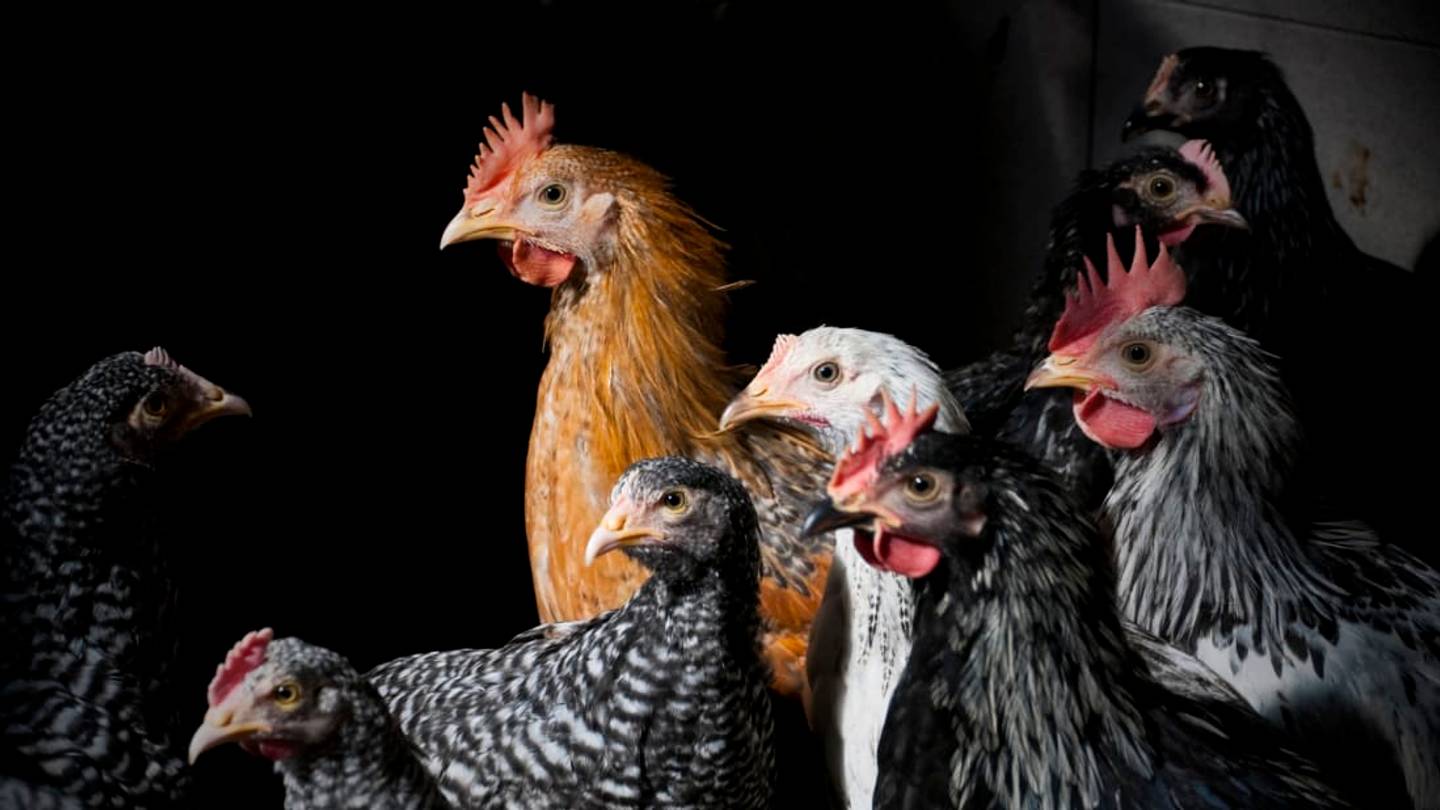
Chickens, hens, and roosters put alektorophobes on edge. A rare type of ornithophobia , this fowl-based fear is no laughing matter. One 2018 case study reported on a 32-year-old man who would experience heart palpitations, a sudden dryness of the mouth, and uncomfortable feelings in his chest upon seeing a neighborâs hen. It was ultimately determined that the man's phobia was the result of a frightening childhood encounter heâd had with a rooster.
âI have a lobster phobia, I donât know why. I just donât like them,â NASCAR driver Denny Hamlin told the press in 2017. âI cannot eat dinner if someone beside me is eating lobster.â The admission came just after Hamlin had won the Monster Energy NASCAR Cup Series. Why did that matter? Because the event took place at the New Hampshire Motor Speedway, where race-winners are customarily rewarded with giant, live lobsters. But when somebody approached Hamlin with a 44-pounder, he tried to flee the stage. Ostraconophobia , or fear of shellfish, can also manifest itself as a fear of crabs or oysters. The majority of people who deal with this phobia develop it after getting sick from the shellfish that makes them feel uneasy.
Ichthyophobia is a bit of an umbrella term that covers an irrational disdain of fish in a variety of situations. It can refer to the fear of being around live fish, the fear of eating dead ones, or the fear of touching them. A common version of that first anxiety is galeophobia , the widespread fear of sharks . And then there are those who are disturbed (and sometimes even physically sickened) by the sight or smell of fishy entrees; these ichthyophobes may take pains to avoid supermarkets with large seafood aisles.
Among the British adults who participated in a 2017 phobia survey, more than 25 percent reported that they were afraid of mice. By comparison, only 24 percent said they dreaded sharp needles or airplanes. In addition to disliking mice, musophobes are often afraid of other rodents , such as hamsters and rats.
Sigmund Freud once wrote a case study on a boy who was terrified of horses. At age 4, Herbert Grafâreferred to as â Little Hans â in the paperâhad seen an overloaded work horse crumble to the ground in a heap. Following the traumatic incident, Hans became easily spooked while in the presence of horses; just the sound of clopping hooves was enough to trigger his anxiety. As a result, Hans often refused to leave the house.
Little Hans eventually overcame his fears, but equinophobia is still with us today. Kansas City Chiefs safety Eric Berry developed it after being bitten by a pony at a petting zoo when he was a child. Unfortunately for Berry, one of the Chiefsâs mascots is a live pinto horse named Warpaint. As former teammate Derrick Johnson told NFL Films, âHeâs always watching for the horse, making sure the horse doesnât look at him or do something crazy.â Berry has taken steps to overcome his horse phobia, though; in fact, he has even worked up the courage to (briefly) pet Warpaint.
If youâre afraid of snakes, at least youâll (probably) never have to worry about some coworker bringing his pet anaconda into the office. Cynophobes arenât so lucky . Defined as the âfear of dogs,â cynophobia is an especially challenging animal phobia to have because, well, puppers are everywhere. Cynophobic people may go out of their way to avoid parks and tend to feel uncomfortable in neighborhoods where loud pooches reside.
As with ornithophobia, the fear of canines often stems from a traumatic childhood event. Therapists have found that, for many patients, the best way to overcome this aversion is through controlled exposure; spending quality time with a well-trained dog under a supervisorâs watchful eye can work wonders.
Loading recommendations... Please wait while we load personalized content recommendations