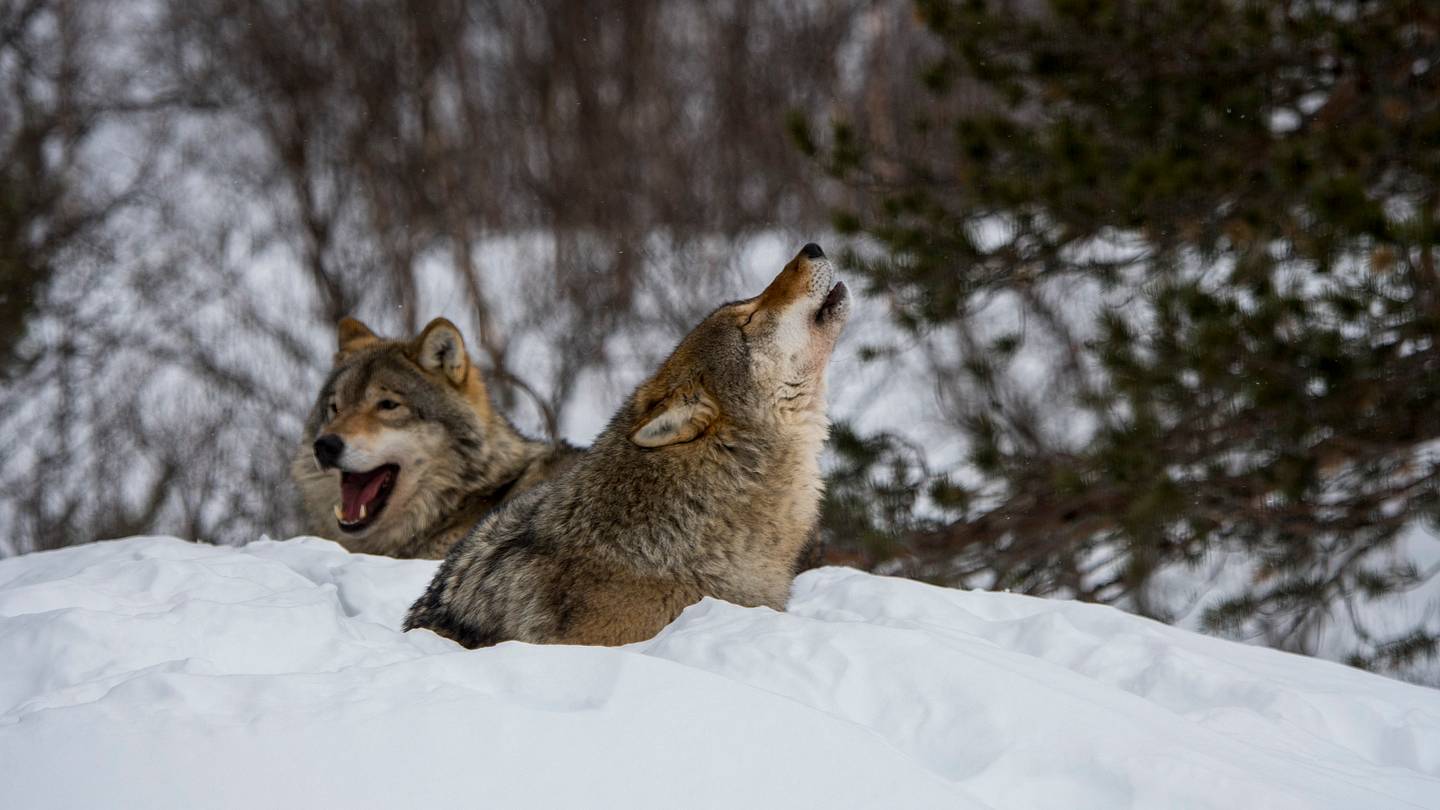
The U.S. Fish and Wildlife Service counts more than 1600 endangered or threatened species in the U.S. alone. One of the biggest threats these plants and animals face is human activity. With this in mind, many states are making an effort to mitigate their impact on wildlife.
The charity search engine SmileHub compared all 50 states across three categories (government and community support, legal protection, and ecosystem status) to determine which were best at prioritizing wildlife protection. The site evaluated these dimensions using a 100-point scale to grade 17 metrics, including animal charities and state wildlife grants per capita. After measuring each stateâs weighted average across all metrics, SmileHub ranked the final scores.Â
Many states in the West and Northeast excel when it comes to wildlife conservation. According to SmileHub, Vermont received the highest score overall, with 63.74 out of 100. The stateâs ecosystem status rankingâbased on its climate change vulnerability, industrial toxins per square mile, median air quality, and other factorsâwas its strongest category. Vermont also boasts an impressive amount of wildlife grant dollars per capita, though itâs lacking in animal charities per capita.
Next up is Wyoming with a score of 61.58 out of 100. The stateâs ranking in overexploitation, which happens when a species declines faster than it can recover, is one of the lowest in the country.
Rounding out the top three states is Colorado (60.33). It ranks third in legal protection thanks to its strong laws related to wildlife conservation.
The rest of the top 10 states for wildlife protection are listed below:Â Â
On the other end of the spectrum, Nevada ranks in 50th place, scoring 26.8 out of 100. The second and third worst states for wildlife protection are Mississippi (28.12) and South Carolina (28.52), respectively.