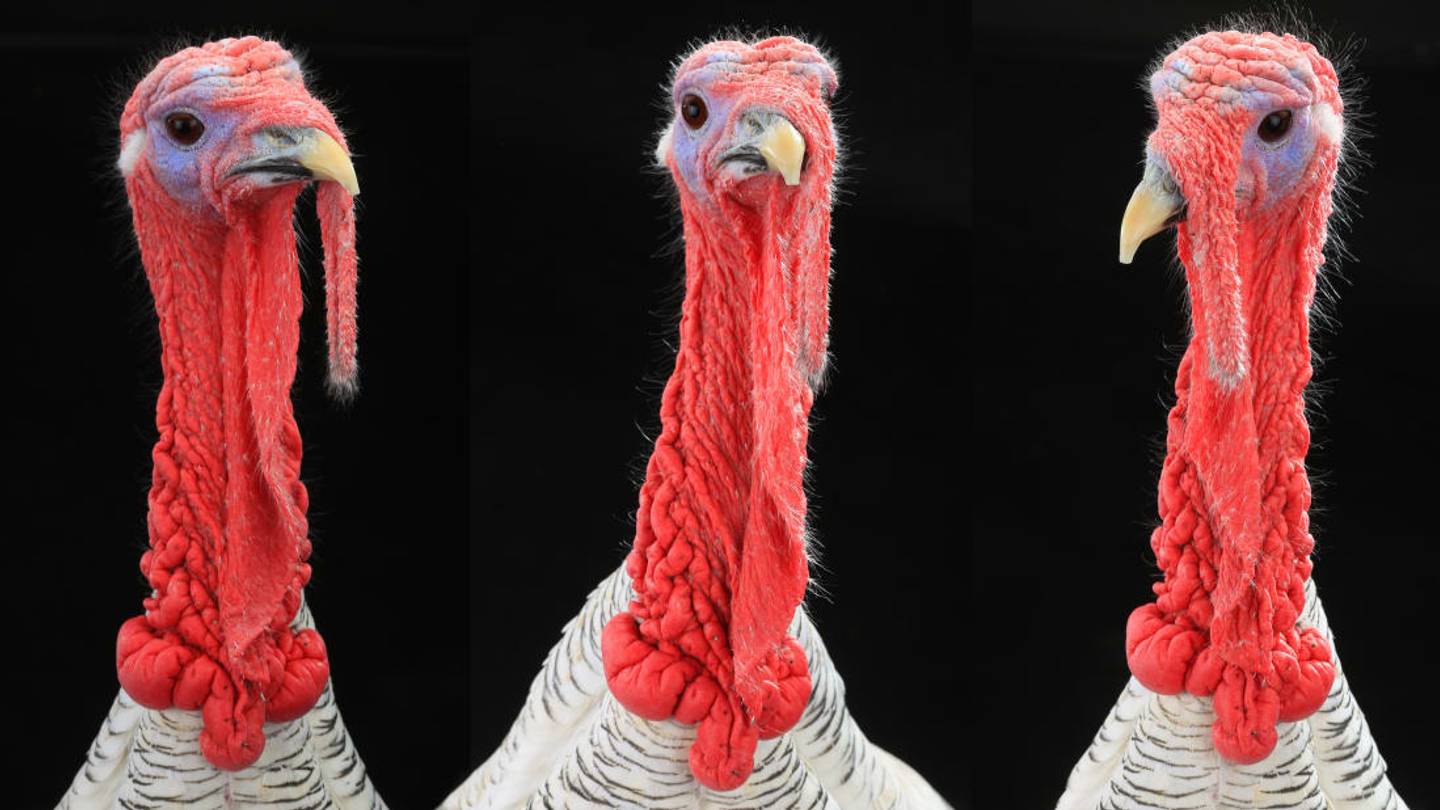
Let's talk turkeyâspecifically, turkey myths.
The essential amino acid L-tryptophan is present in turkey, yes. The human body uses tryptophan to make serotonin and melatonin, which have a soothing effect. However, to get enough tryptophan in your system to lull you to sleep, youâd have to consume pure tryptophan at much higher dosages than are found in turkey, and generally without other amino acids. If you feel a nap coming on, most likely itâs your body reacting to a daylong splurge of eating and drinking.
Benâs proposed national seal involved Moses at the Red Sea. Two years after the approval of the now-familiar seal with the bald eagle, Franklin wrote a letter to his daughter, containing the passage in which he grumbles about the bald eagle being a bird of âbad moral character.â The bulk of the letter had to do with a military fraternity Franklin disapproved of, and in that context, Franklinâs supposed championing of the turkey makes little sense. You can read more here .
Ah, salmonella. This relentless bacteria has ruined the fun of cooking poultry. Rinsing the carcass sends those buggers down the drain, right? Not really. It only spreads them all over the birdâand possibly the sink and countertop, too. The USDA even notes that âThe only reason a whole turkey (or any meat or poultry for that matter) should be washed is if it was brined,â in which case they give suggestions on how to safely do the washing. For non-briners, your best bet is to skip the rinse. Molly Stevens, author of the James Beard Award-winning cookbook All About Roasting , advises salting the skin, placing the bird on a wire rack above a rimmed baking sheet, then leaving the bird uncovered in the fridge for up to two days, allowing its skin to dry out and become taut; this results in crispier skin after roasting.
Actually, it's almost exclusively the males who gobble. Turkeys have a whole range of sounds: hens make high-pitched yelps, and strutting toms produce a non-vocal thump, like a bass drum. Males and females alike sound a choppy series of honks as an alarm when they suspect predators. Want to hear for yourself? Check out this turkey soundboard .
European colonists were already old hats at turkey farming and cooking. Spanish explorers brought domesticated turkeys back home from the New World, and turkeys started appearing on English menus at some point before 1550. Soon there were so many different European breeds that most of today's dinner table turkeys have ancestors from the Netherlands. And in fact, food historians arenât sure there even were turkeys at the Pilgrimâs first thanksgiving, though wildfowl were present.
Some do, but nearly all of the turkeys raised for consumption today donât. These birds are Broad Breasted Whites, a breed developed to convert feed to flesh in the most efficient manner possible. Their feathers are mostly white; after dressing, their carcasses are pale, without the tiny spots that turkeys with darker feathers sometimes have.
Nope. They let you know when your turkey is over cooked. The USDA recommends cooking turkey to an internal temperature of 165 degrees Fahrenheit. Pop-up thermometers are calibrated to pop at 180 to 185 degrees Fahrenheit, pointlessly ruining your bird. Instead, use a simple instant-read probe thermometer (a decent one costs $20 and can be reused for years) and take multiple readings, sterilizing the probe after each, for greatest accuracy.
Sure they can! Theyâre just not great at it. Turkeys evolved to spend the majority of their lives on their legs, pecking about for food. Wild turkeys can easily fly 100 yards (and reports of a mile-plus arenât unheard of), but but generally only to escape predators or to roost. The broad-breasted breeds developed for industrial agriculture canât fly, because their strength-to-mass ratio is too out of whack.
Boneless, skinless white meat does contain fewer calories and fat than boneless, skinless dark meat, but the nutritional differences between the two are small. Dark meat offers a greater density of nutrients like B vitamins and iron, so donât feel guilty if youâre a fan of drumsticks or thighs.
While turkeys do in fact sometimes look skyward for no apparent reason (poultry scientist Tom Savage identified this condition as a genetically-caused disorder), cases of them drowning while doing so are rare. As for stupidity, turkeys can be intelligent and personable; factory-farmed turkeys arenât bred for brains, though, and their ungainly, top-heavy frame doesnât help their public image much.
This story originally ran in 2015.
Loading recommendations... Please wait while we load personalized content recommendations