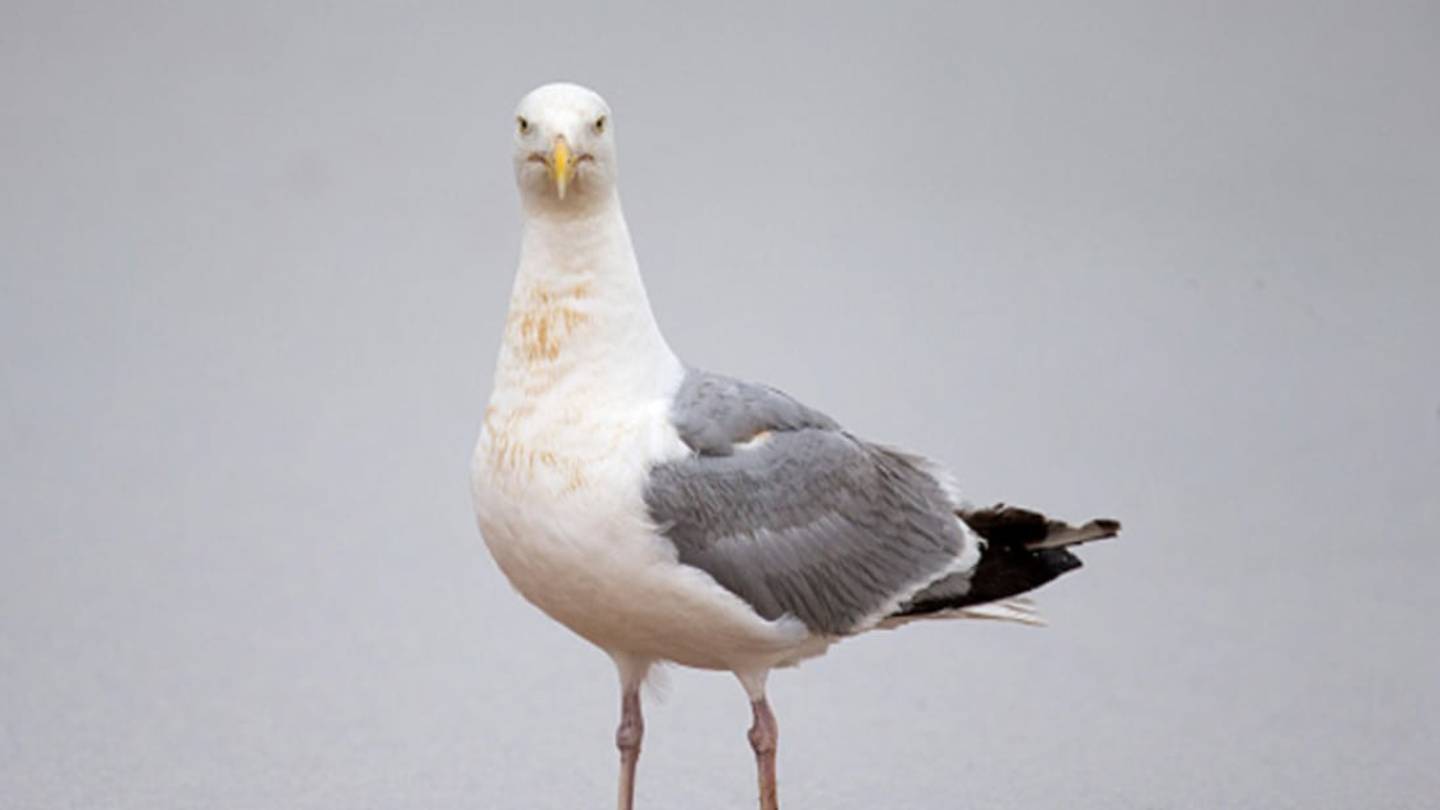
From grocery bags and bottle caps to fibers from synthetic clothing, the worldâs oceans are teeming with plastic trash. About 13 million tons flow into the sea each year, and experts say that amount will only increase. This pollution holds severe consequences for our ecosystemâespecially for sea birds.
A team of Australian researchers evaluated 135 seabird species around the world and found that 59 percent of them had ingested plastic, and within that group 29 percent had plastic in their gut. Using this data, the researchers estimated that a staggering 90 percent of sea birds have consumed plastic of some kindâeither accidentally or because they mistook it for food. The researchers predict that, by the year 2050, this number will rise to 99 percent.
The findings, which were published this week in the journal PNAS , gave researchers âa global prediction of how wide-reaching plastic impacts may be on marine speciesâand the results are striking," according to Dr. Chris Wilcox , the studyâs lead author.
The study, which tracked plastic ingestion rates over time, found that less than five percent of birds had plastic in their stomachs in 1960. This percentage had swelled to 80 percent by 2010. Researchers say this is due to the increasing rate of global plastic manufacturing, which doubles every year.
Since approximately 80 percent of marine litterâmost of it plasticâ comes from land , scientists hope improved waste management practices will help save the oceanâs ecosystem.
"Improving waste management can reduce the threat plastic is posing to marine wildlife," said Dr. Denise Hardesty, the study's co-author. "Even simple measures can make a difference, such as reducing packaging, banning single-use plastic items or charging an extra fee to use them, and introducing deposits for recyclable items like drink containers.â
Loading recommendations... Please wait while we load personalized content recommendations