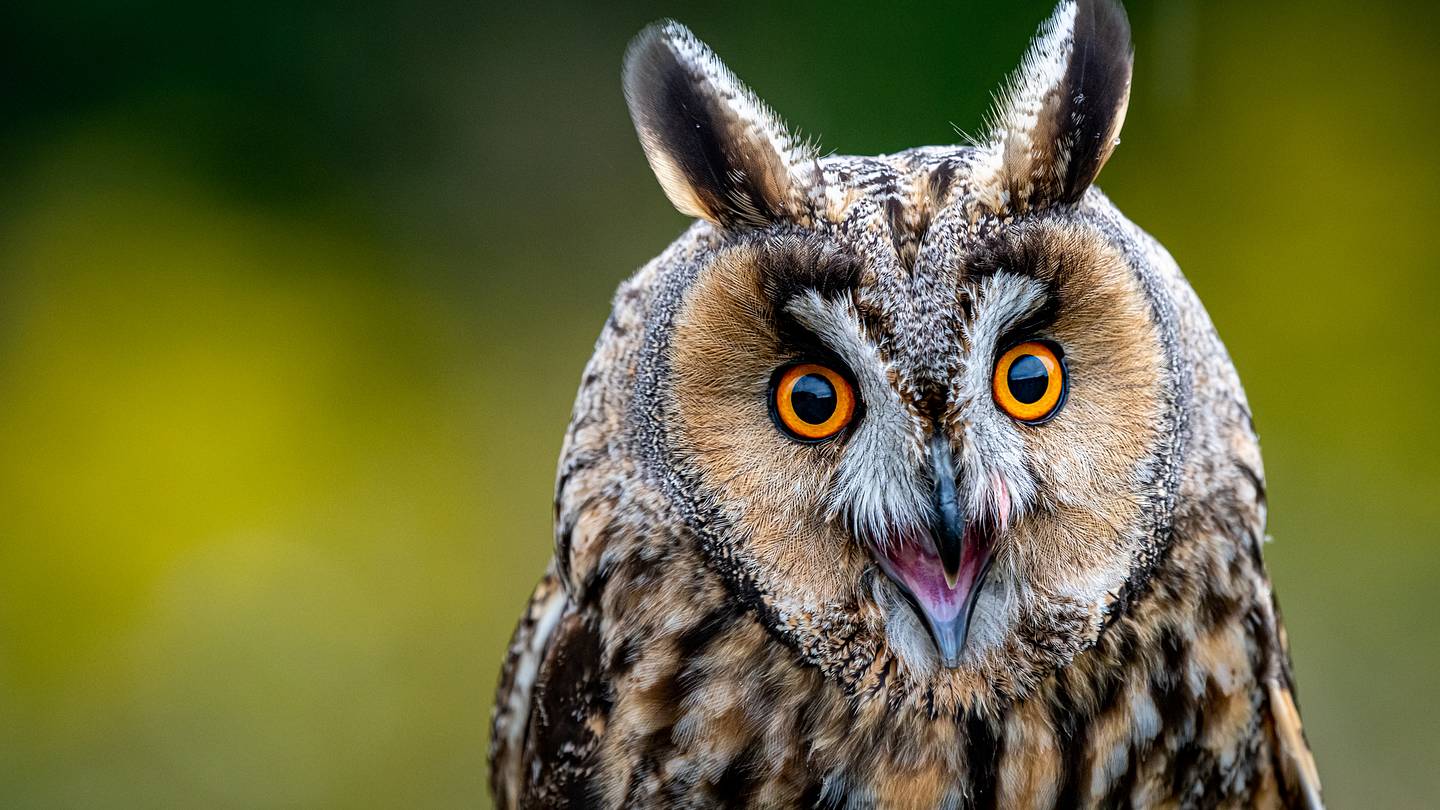
For thousands of years, from Ancient Greek legend to modern literature and TV, humans have portrayed owls as sage and wise. The intelligent owl appears in everything from The Iliad to Winnie the Pooh . But, it turns out, though theyâre excellent hunters, owls probably arenât any smarter than a lot of other birds .
In fact, they may be significantly worse at problem solving than other big-brained birds like crows and parrots. One study from 2013 found that great gray owls repeatedly failed a simple cognitive testâpulling a string to get a treatâthat had been successfully solved by several other bird species. It doesnât help that owls face some steep competition in the avian class. Ravens are often ranked as one of the most intelligent non-human species along with dolphins and chimpanzees.
Owls may not be as smart as their corvid cousins, but that doesnât make them dumb. Studies have found that some owls actually practice a primitive form of tool use. According to a study published in the scientific journal Nature , burrowing owls have been observed using animal dung to lure dung beetles to their burrows, where they subsequently feast on the insects .
However, while animal tool use is always impressive, it doesnât really mean that owls are âwiseâ by any human standards. Owls are extraordinary animals in their own right. Theyâre incredible hunters who have evolved specialized hearing, camouflaging plumage, and unique tubular eyes that help them catch their prey.
But, if owls arenât mysterious guardians of lifeâs secrets, hiding deep reservoirs of wisdom behind their giant yellow eyes, then why do we so frequently represent them that way? Where does that idea come from?
While many cultures feature owls in their mythology, not all societies see owls as wise. In India, for instance, owls are associated with ill-gained wealth and foolishness rather than wisdom. The pervasive myth of the wise owl, meanwhile, likely originated with legends of the Ancient Greek goddess Athena. The goddess of wisdom, Athena was often portrayed in art holding an owl, or described in literary works as âowl-eyedâ or even âowl-faced.âÂ
Owlsâ large eyes may have led to them being typecast as wise sages in literature . The birdâs striking peepers may not hold the answers to the mysteries of the universe, but they do serve a special purpose. The size enables a sort of night vision, allowing them to spot faraway prey in the dark. But the saucer-like eyes are not without their flaws. Up close, the world becomes blurry, so owls use the small, bristly feathers on their beaks and talons to feel their immediate surroundings.
Because their eyes are tubular instead of sphericalâmeaning they extend far back into their headsâowls canât roll them around their sockets. Instead they have to move their entire heads to look aroundâwhich they can do 135 degrees in either direction. If you ever wondered how owls are able to pull an Exorcist without dying, you can read more about the impressive adaptation here .
A version of this story originally ran in 2015; it has been updated for 2024.
Loading recommendations... Please wait while we load personalized content recommendations