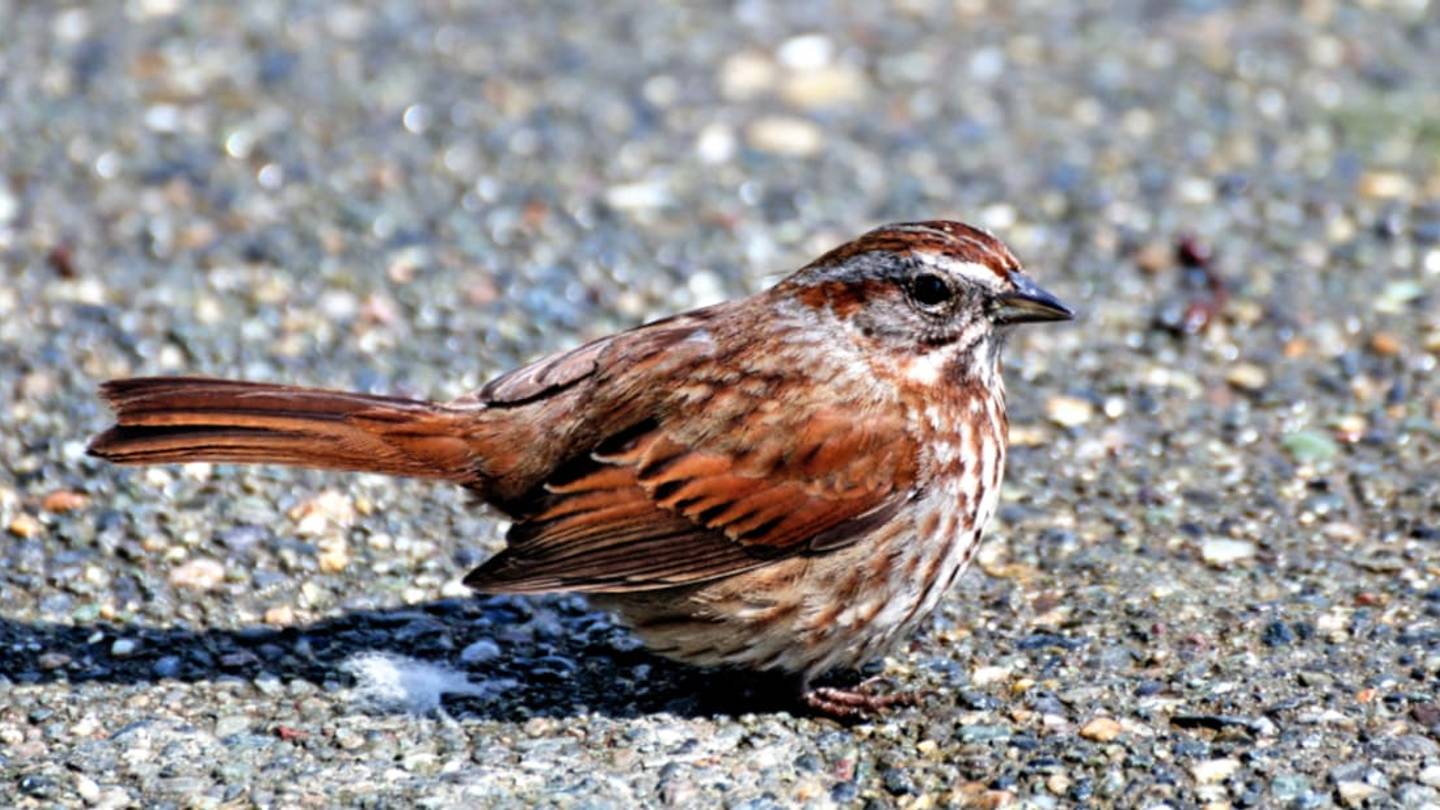
Want to live on your very own island? Of course you do. Believe it or not, thereâs a federal law which could (at least in theory) help you snag one for free. First, youâll need to make sure that itâs covered with fecal matter. Let us explain.
In 1856, Capitol Hill stood divided as ever over slavery, but politicians north and south of the Mason-Dixon line could all agree on one thing: America desperately needed more bird poop.
Avian excrement was big business at the time. For at least 1500 years, South American farmers had used dried seafowl feces, which the Quechua and later the Spanish called â guano ,â as a fertilizer. Soluble and nutrient-rich, its virtues were many. Coastal Peru in particular had an abundance of this material, since the countryâs warm climate attracts migratory birds en masse.
So, naturally, Peru was a big player in the international guano market. And during the 1840s, demand for this â white gold â soared like a high-flying albatross. Across the Atlantic, it proved sensationally popular with British agriculturalists. In 1842, Antony Gibbs and Sons âa U.K. trading companyâentered Peruâs bird scat game. By 1848, theyâd built a worldwide monopoly: as one common jingle declared, â Mr. Gibbs made his dibs selling the turds of foreign birds. â
Uncle Sam didnât appreciate said âdibs.â From New England to Louisiana, U.S. farmers jumped all over the guano bandwagon. Yet, domestic fowl couldnât squeeze out sufficient quantities and, thanks to British merchants, imported waste came with a steep price tag. Many attempts were made at busting the U.K.âs stranglehold, but none proved successful.Â
Public outcry escalated until, finally, Congress hatched a solution. Senator and former New York governor William H. Seward introduced a bill that ultimately became the Guano Islands Act. Passed on August 18 th , 1856 , the law still stands.Â
According to the Act , should a U.S. citizen find guano upon âany island, rock, or key,â that person may claim the territory for America. However, there are a few provisos. The spot in question canât be inhabited or fall âwithin lawful jurisdiction of any other government.â Furthermore, when all is said and done, the claimâs validity remains subject to the presidentâs âdiscretion.â
Assuming the island you happened upon satisfies all these requirements, there may be a few perks in store for you. At âthe pleasure of congress,â a discoverer may be granted the âexclusive rightâ to live on his or her island âfor the purpose of obtaining guano, and of selling and delivering the same to citizens of the United States.â
Prospective salesmen shouldnât plan on getting rich, by the way. After carting up top-quality poo for shipment, you canât charge more than $8/ton in 1856 dollars (the bill itself makes no allowance for inflation adjustment, but you might be able to argue for one anyway, which would bring the price up to roughly $222.22/ton). Those whoâd rather let someone else come along and physically gather it will have to make do with half as much.  Â
Also, donât think that you can just go around breaking federal laws once youâre settled. In 1889 , a murder took place upon the Caribbean island of Navassa, which was obtained through the Act. This led the Supreme Court to decide that since the terrain was U.S.-owned soil, the American legal system still applied there. Â
Navassaâs guano mining operations ceased when President McKinley had the island evacuated in 1898âjust after the Spanish-American War broke out.Â
Eighteen years later, Woodrow Wilson officially reserved this now-abandoned place for the construction of a lighthouse. In so doing, ownership of Navassa was effectively revoked from the eponymous Phosphate Company and the area fell under federal custody.
Americaâs coast guard would maintain a presence on the otherwise-uninhabited locale until this lighthouse made the transition from being human-operated to automated. In September, 1996, the U.S.C.G. removed its equipment and personnel, leaving Navassa empty again.
Entrepreneurs love nothing more than a vacuum. Pasadena resident Bill Warren assumed that because the coast guard had abandoned Navassa, it was ripe for the taking. âI flexed my muscles,â he said , âand claimed the island under the Guano Act.â
By then, guanoâlong upstaged by artificial fertilizersâhad once more become a valuable resource thanks to the rise of organic gardening. Suddenly, Navassaâs abundant bird waste made her smell like a malodorous gold mine. Warren wasted little time.
The Act never states that U.S. citizens canât claim an island thatâs already been claimed and abandoned. Hence, Navassa looked like fair game. The Californian filed an âaffidavit of discovery, occupation, and possessionâ with the State Department. Frustratingly, he didnât get an official response. Several unanswered faxes later, Warren sued his own country in 1997, arguing that this silence had cost him $12 million worth of lost revenue (eventually, he demanded $50 million).
Alas, fate wasnât with him. The Guano Islands Act only grants temporary licenses to operate on a given landmass. The year 2000 saw a U.S. Appeals Court rule that our government may terminate these licenses at any time. Furthermore, since Wilsonâs lighthouse project had long-since placed Navassa under federal ownership, nobody could use the Act to claim it.Â
Thereforeâas the court explainedâMr. Warren had âfailed to demonstrate a legally cognizable interest in Navassa Island or its guano.â
Certain claims may have died awkward legal deaths, butâin the endâSewardâs brainchild helped his country nab over 100 outcroppings such as Johnston Island , which hosted a strategic airbase during World War II.
Hypothetically, one can still capitalize on the Guano Islands Act. The main snag, of course, is our planetâs dearth of available, jurisdiction-free land. Hence, your best bet might involve volcanoes. This past winter, underwater eruptions produced an entirely new Pacific island . Keep your fingers crossed that it's covered in bird poo.
Loading recommendations... Please wait while we load personalized content recommendations