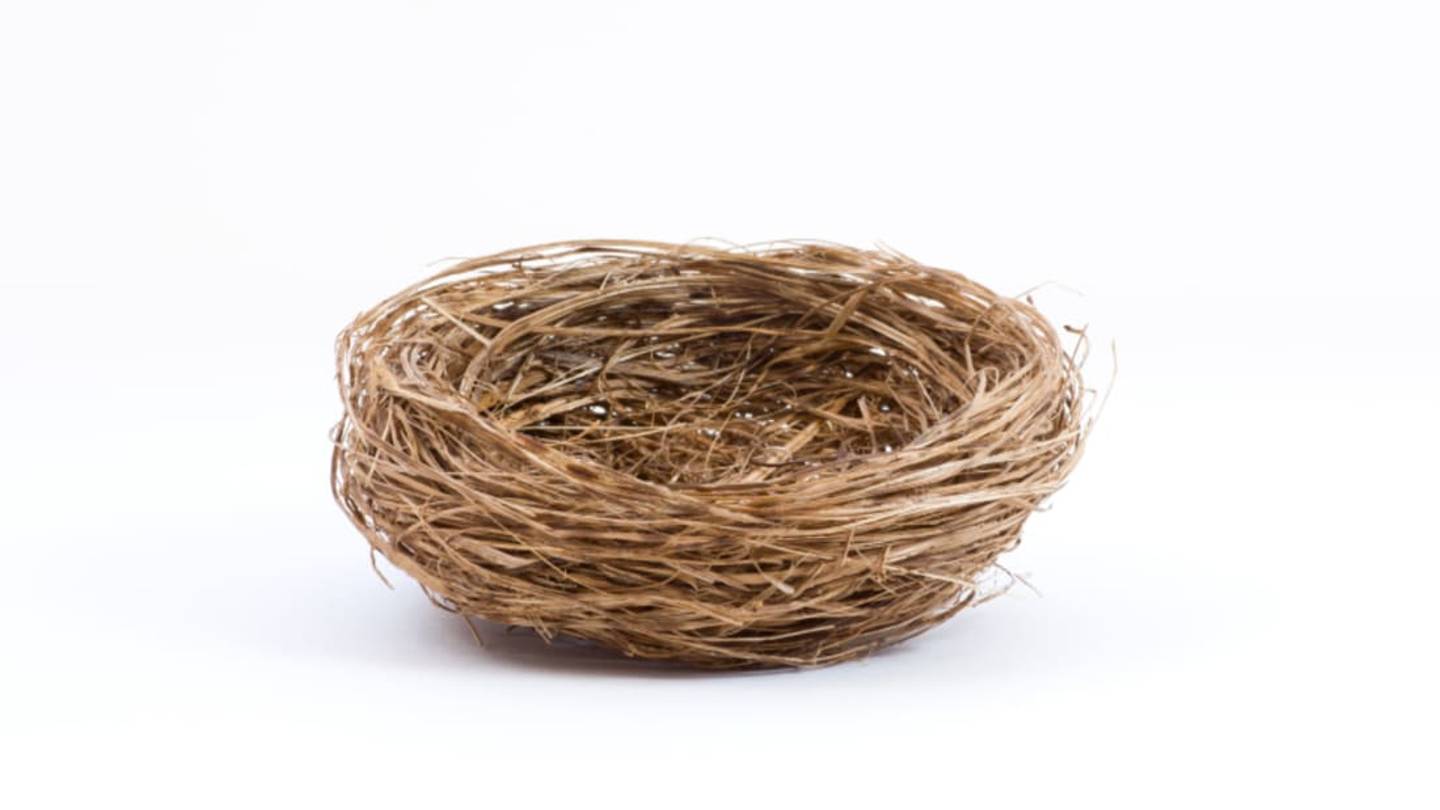
Birds' nests are as diverse as the creatures who build them. The variety of locations, shapes, and sizes theyâre built in and the materials theyâre made from can be staggering. Hamerkops , for example, spend weeks assembling thousands of twigs into a massive nest thatâs insulated and waterproofed with mud. Then thereâs the horned coot , which makes its nest on top of an island of pebbles that it piles up in shallow lakes. Meanwhile, the edible-nest swiftlet builds its home entirely from hardened layers of its own saliva.
Even for someone more focused on birdsâ brains, like neurobiologist Zach Hall was during his Ph.D. work, the diversity of nests didnât go unnoticedânor did the fact that the evolution of such wildly different nest types isnât well researched. With a new study , Hall thinks heâs figured out how one variety of nest, a protected dome-shaped one, evolved. As they say in real estate, itâs all about location, location, location, and dome nests appear to have evolved as some birds transitioned from nesting in trees to nesting on or near the ground and needed a different kind of nest more suited to the new terrain.Â
Itâs not exactly a new idea, Hall says. Biologist Nicholas Collias suggested it nearly 20 years ago to explain why some some birds from a family called the Old World babblers build dome nests while others build open, cup-shaped ones. At the time, though, Collias didnât have enough information or the right techniques to test his hypothesis. With a more complete picture of babblersâ evolutionary history and relationships now available, Hall and his team decided to see if the idea held up.Â
The researchers gathered descriptions of the nests built by 155 different species of babbler and mapped their heights and structures (either cup- or dome-shaped) to the birdsâ family tree. They found that Collias was on to something. Across the babbler family, species that build dome nests live closer to the ground than their cup-building relatives, and as the birds diverged from ancestors that built cup-shaped nests high in the trees, dome-shaped nests coevolved with nest height as some species ventured closer to the ground.
While they confirmed that nest height and structure go hand in hand, the researchers are still left with the question of which trait arose first and influenced the other. Nesting closer to the ground could have driven some species to add domes to their nests for protection against predators, as Collias suggested (though the team says it canât yet rule out other influences, like parasites or the need to keep nests warm on shady forest floors), but the domes might have also come first and allowed the species that built them to stake out new nesting sites. The team notes, though, that the first situation is more likely. Changing nest height is an easier leap than changing nest shape, and more consistent with what researchers have seen in other birds.
Thereâs still more work to be done, but Hallâs team is confident that their approach can answer the remaining questions about babblers and be used with other birds to uncover the reasons they build their nests they way they do.
Loading recommendations... Please wait while we load personalized content recommendations