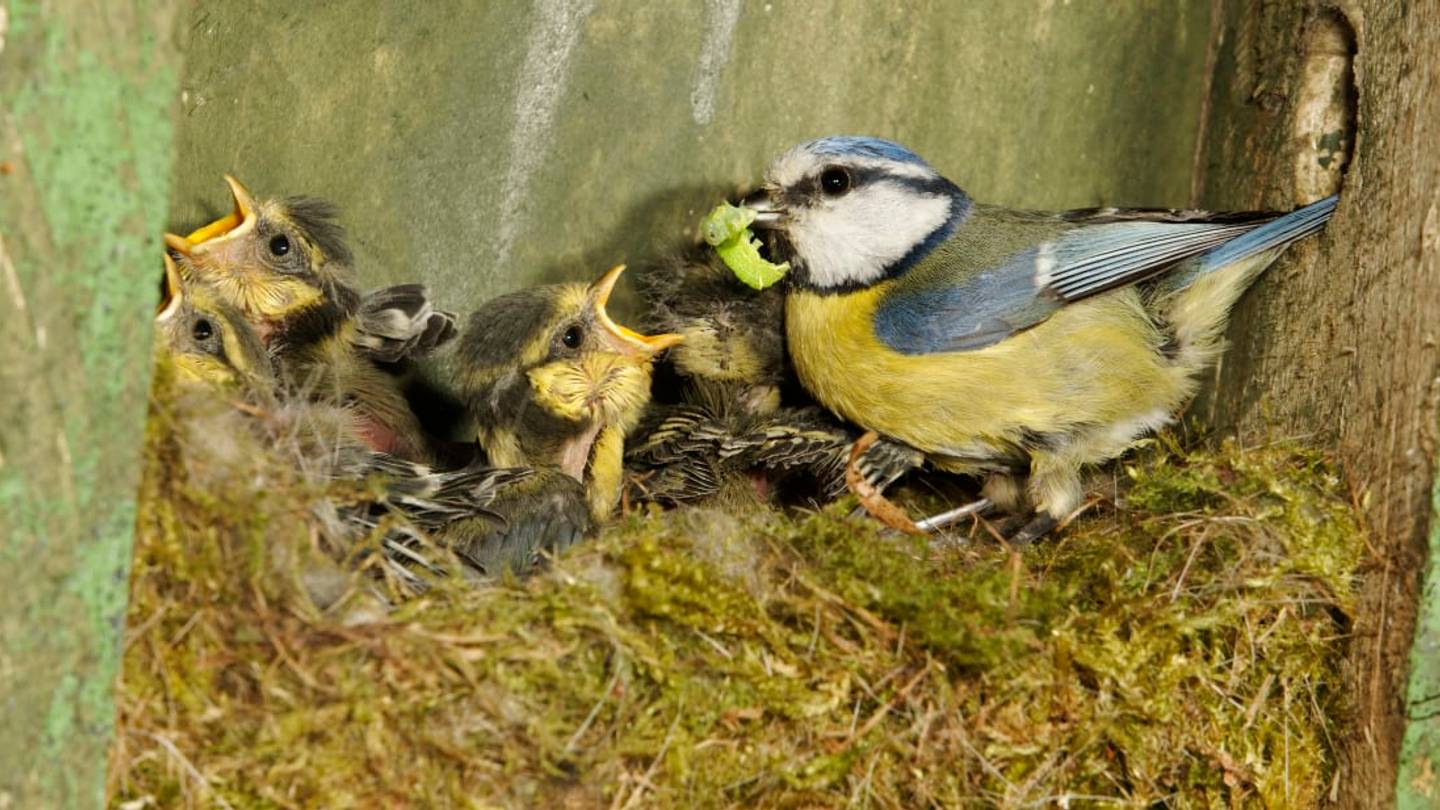
When I was a kid, our living room opened out onto a back deck through a set of French doors. A pine tree stood over the deck, providing a home for countless birds. Baby birds would regularly fall from their nests onto the deck, and would lie there crying in full view of my brother and me as we sat on the floor watching TV. Our parents always told us that we should never attempt to rescue these birds, no matter how long they were out on the deck, because our scent would cause their parents to reject and abandon them.
Some of these babies would get their act together and find their way back into the nest. Some would get dragged off by neighborhood cats. A few got plucked off the deck by hawks (and, once, devoured as I watched). Whatever happened to the birds, though, my brother and I dutifully listened to our mother.
These days, I feel bad about that. It turns out my mom is full of baloney.
Birds will not readily abandon their young because they âsmell humans.â For one thing, birds donât have a great sense of smell. Their olfactory bulbs are small and simple compared to other animals (although this wasnât always the case , and there are exceptions to the rule, like the turkey vulture , albatross and kiwi ), and theyâre not going to be able to pick out your scent from all the other smells hitting their beaks at any given moment.
Even if they could detect your scent, and make a negative association with it, theyâre not just going to up and leave. You wouldnât abandon your kids and home at the first sign of danger, would you? Even if you didnât love either all that much, you already went through the trouble of painting the living room and changing all those dirty diapers, right? Birds will make that same simple economic decision. Theyâve invested a lot of time and energy in those babies and theyâre not going to give them up for nothing. Mess around with a nest before the eggs are laid or before they hatch, and a bird might re-nest elsewhere, but once the kids are in the picture, theyâre no push-overs.
So, my mother is obviously no ornithologist, and sheâs not your mom, so feel free to ignore her advice. (Sort of. Let me explain.)
There are two types of baby birds youâre likely to encounter on the ground: nestlings and fledglings. Nestlings are featherless or fuzzy and are too young to leave the nest. Fledglings have their feathers and are old enough to leave the nest and be on the ground, making their first bold steps away from home under the watchful eye of mom and dad.
Fledglings you should leave alone. Theyâll usually sit around for a few days outside the nest before their flight skills develop enough that they donât need their parents. If youâve got a fledgling near your home and are worried about predators, ask your neighbors to keep their cats inside. Hawks? Well, thatâs just the circle of life.
Nestlings, though, could probably use a helping hand. Pick them up and put them pack in the nest, and their parents will not think any less of them if they smell a little bit like a human. What you should not do is take the little guys inside and try to care for them yourself. Sure, youâre at the top of the food chain. Youâre smart and civilized and have dominion over the natural world. But you are not a bird. You will make a lousy bird mom.
Loading recommendations... Please wait while we load personalized content recommendations