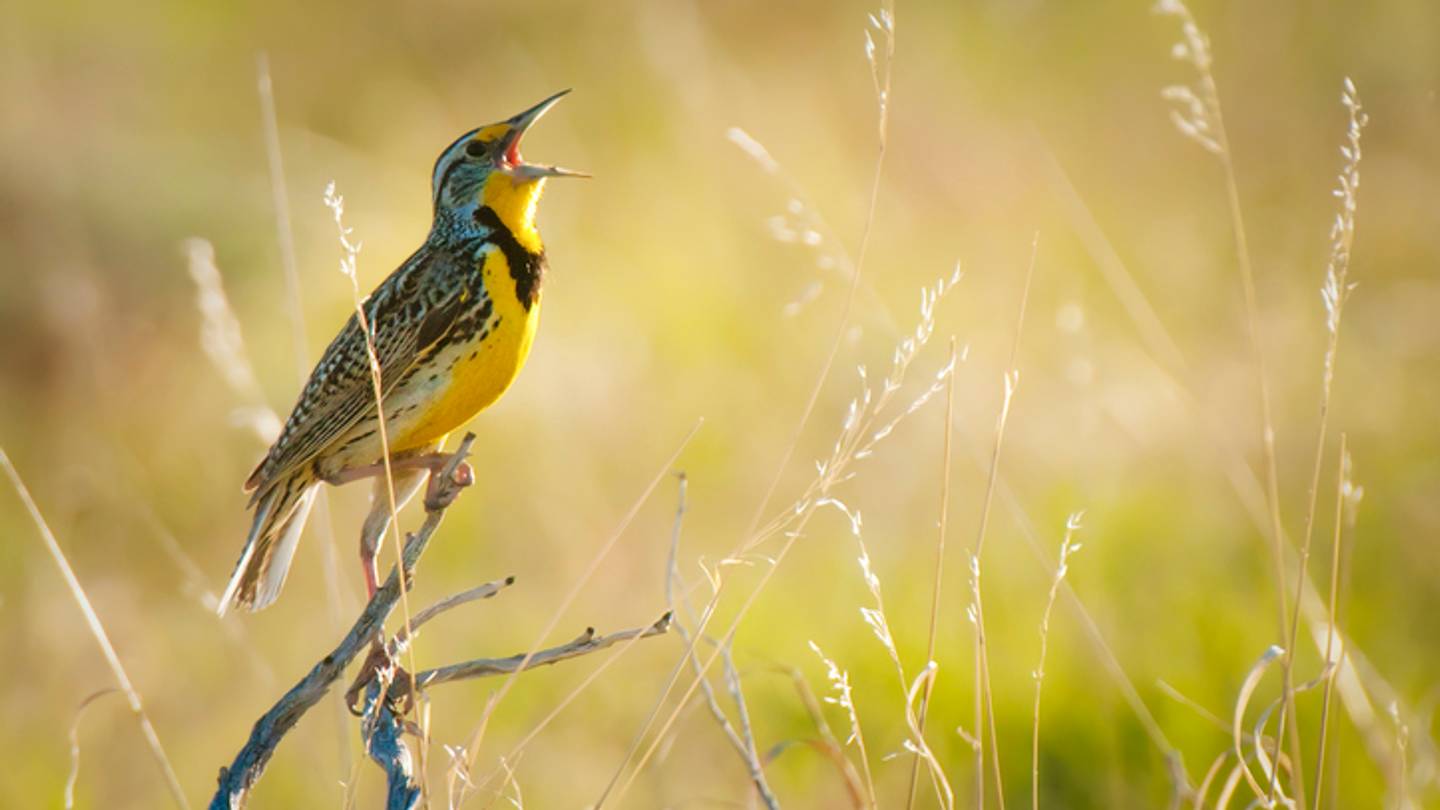
Light pollution is causing non-nocturnal species of birds to sing for 50 additional minutes a day, according to a new study published in the journal Science âbut itâs unclear if thatâs having a negative effect on species.
Artificial light sources at night create light pollution in previously dark areas . It has spread to 23 percent of the Earthâs land surface, according to one well-cited estimate . Such human-made sources include :
This form of pollution can disrupt circadian rhythms and behavior patterns for several species of animals. It disorients butterflies and causes cougars to avoid otherwise promising hunting grounds. It can displace bat roosts and confuse newborn sea turtles scrambling toward the sea.
Most species of birds limit singing to daylight hours and use vocalizations primarily to attract mates and mark territory. The artificial light seems to cause them to misperceive the sunrise as earlier and sundown as later. The study found that birds started vocalizing 18 minutes earlier each morning and ceased vocalizing 32 minutes later in the evening in artificially bright areas when compared to dark ones. âÂ
The study used data from BirdWeather , a research platform using the BirdNET artificial neural network developed by Cornell University and the Chemnitz University of Technology in Germany. Birdweather recruits citizen scientists to set up small listening devices across the globe and collect bird vocalizations, which scientists use to gain insight about avian populations and their behavior.Â
For this study, researchers Brent S. Pease at Southern Illinois University and Neil A. Gilbert at Oklahoma State University downloaded 181 million datapoints and then narrowed them down according to the time of the birdsâ vocalization onset and cessation. They ended up with 2.6 million recordings for 583 species from 7824 locations in the morning, and 1.8 million observations for 493 species from 7658 locations in the evening.
In addition to finding earlier onset and later cessation of singing across species, geography , and seasons, Pease and Gilbert noted not all birds were affected equally.Â
The researchers are unsure if this causes any harm to the birds. Loss of rest time in the morning and evening is detrimental to many species, but birds can rest during the day, so itâs unclear if light pollution is resulting in sleep deprivation. In fact, âlight pollution-related changes to activity may lead to positive fitness effects if they facilitate increased foraging time or reproductive output,â the authors write.
Interestingly, light pollution didnât have much of an effect on nocturnal birdsâthere was little evidence that an artificially expanded daytime caused them to decrease their activities at night.
Discover More Bird Facts: