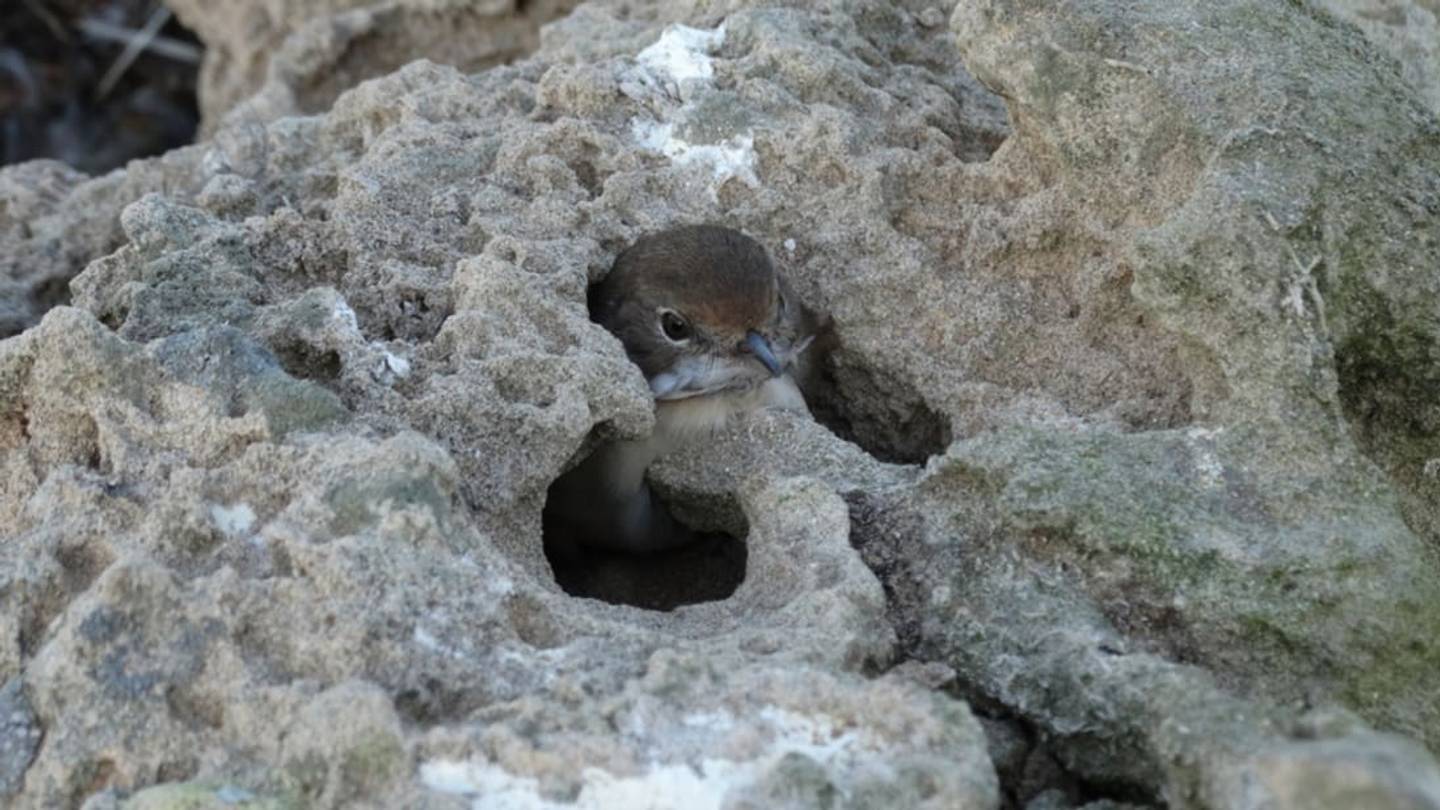
Humans arenât the only animals that keep larders of food. Squirrels, of course, are well known for stashing acorns away for the winter. The shrikes, a.k.a. butcherbirds, also store foodâby impaling  their prey on thorns and barbed wire fences, which makes it easier to eat and share their food (and even impress mates). But that's child's play compared to the hunting strategy of the Eleonoraâs Falcon. These Mediterranean birds capture and essentially imprison prey thatâs still alive .Â
For most of the year, the falcons feed on insects, but in the late summer and fallâwhen migratory birds are passing through their territory and the falcons are breeding and have new mouths to feedâtheyâll add small birds to the menu. A team of scientists doing a long-term study of the falconsâ behavior in Morocco were around during the falconsâ bird-hunting season and witnessed a behavior thatâs unprecedented in birds of prey.Â
Instead of killing and eating the smaller birds after attacking them, the falcons plucked the flight feathers from the birds' wings and tails, then stuffed them into deep, narrow cavities and cracks in rocks. The falcons kept the live birds trapped like this for a few daysâunable to move their wings and unable to fly even if they did wriggle outâbefore pulling them back out and killing and consuming them.
The researchers think that the falcons may keep their prey prisoner for one of the same reasons other animals store food: It allows them to take advantage of a food source thatâs available for a limited time, but which they might not need to eat right away. Keeping the prey alive is necessary in the dry heat of the Moroccan coast; stored carcasses would quickly dry out. They say that trapping live prey might also give falcon chicks an opportunity to practice killing birds on their own.
Loading recommendations... Please wait while we load personalized content recommendations