On a savannah in southern Africa, a pair of birds called tawny-flanked prinias are tending their eggs when they spot trouble. Another bird, the southern red bishop, is a little too close for comfort, and the new parents spring into action. They sound the alarm and attack the bishop, driving it off.
Their nest is safe, but didnât appear to be in any danger to begin with. The red bishop is a harmless bird, not a predator or an invader trying to take over the nest. Why would the prinias attack it unprovoked? Biologist William Feeney thinks that the birds are just playing it safe because a red bishop isnât always what it appears to be, and sometimes the âharmlessâ visitor is really a parasite in disguise.Â
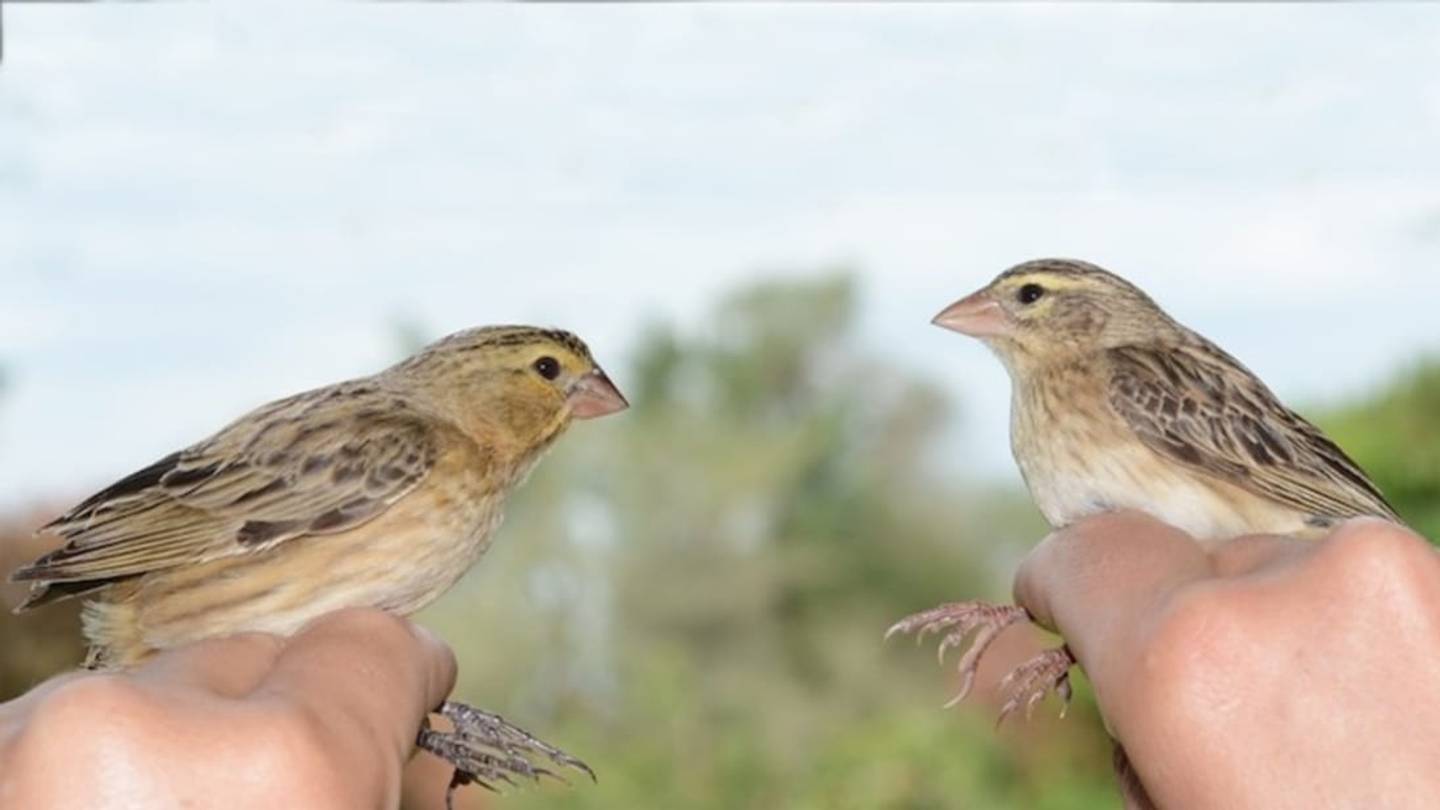
Tawny-flanked prinias are frequent victims of cuckoo finches, brood parasites that ditch their eggs in other birdsâ nests and let these foster parents do all the work of raising the chicks. Many brood parasites are also identity thieves, and their eggs and chicks mimic the appearance of their hostsâ young so they blend in and donât get evicted. Feeney has found that adult cuckoo finches are also mimicsâbut not of their hosts. Theyâve evolved to look like red bishops, and use the guise of the innocent birds to infiltrate prinia nests without raising suspicion.Â
The finchâs âwolf in sheepâs clothingâ trick is the first of its kind seen in adult brood parasites, and appears to have been spurred by its environment. While other brood parasites can usually spy on their victims from nearby hiding spots and sneak their eggs into the nest when the adult hosts are gone, cuckoo finches live on the open savannah and canât conceal their approach. Donning a disguise may be their best, or only, way of getting close to a nest undetected.
And what a disguise it is. When Feeney and his team compared the plumage colors and patterns of cuckoo finches (left in the above image) to other birds, they found that female cuckoo finches more closely resemble red bishops (right in the above image) than they do the males of their own species or their closest relatives, the Vidua finches. The resemblance is close enough to fool both birds and humans. Looking at the cuckooâs plumage through a model of a birdâs visual system, the researchers found that prinias wouldnât be able to tell female cuckoos and female red bishops apart even in ideal lighting conditions. They also discovered that scientists in the past mistook the finches for members of the red bishopâs family based on their appearance, before genetic analysis correctly placed them elsewhere on the bird family tree.Â
While the the prinias might not be able see through the cuckooâs disguise, Feeney found that theyâre not total dupes. In areas where parasitism is very common, the birds are catching on to the cuckooâs tricks and will attack female cuckoos and red bishops alike, taking no chances when a strange bird comes around their nests.
Loading recommendations... Please wait while we load personalized content recommendations