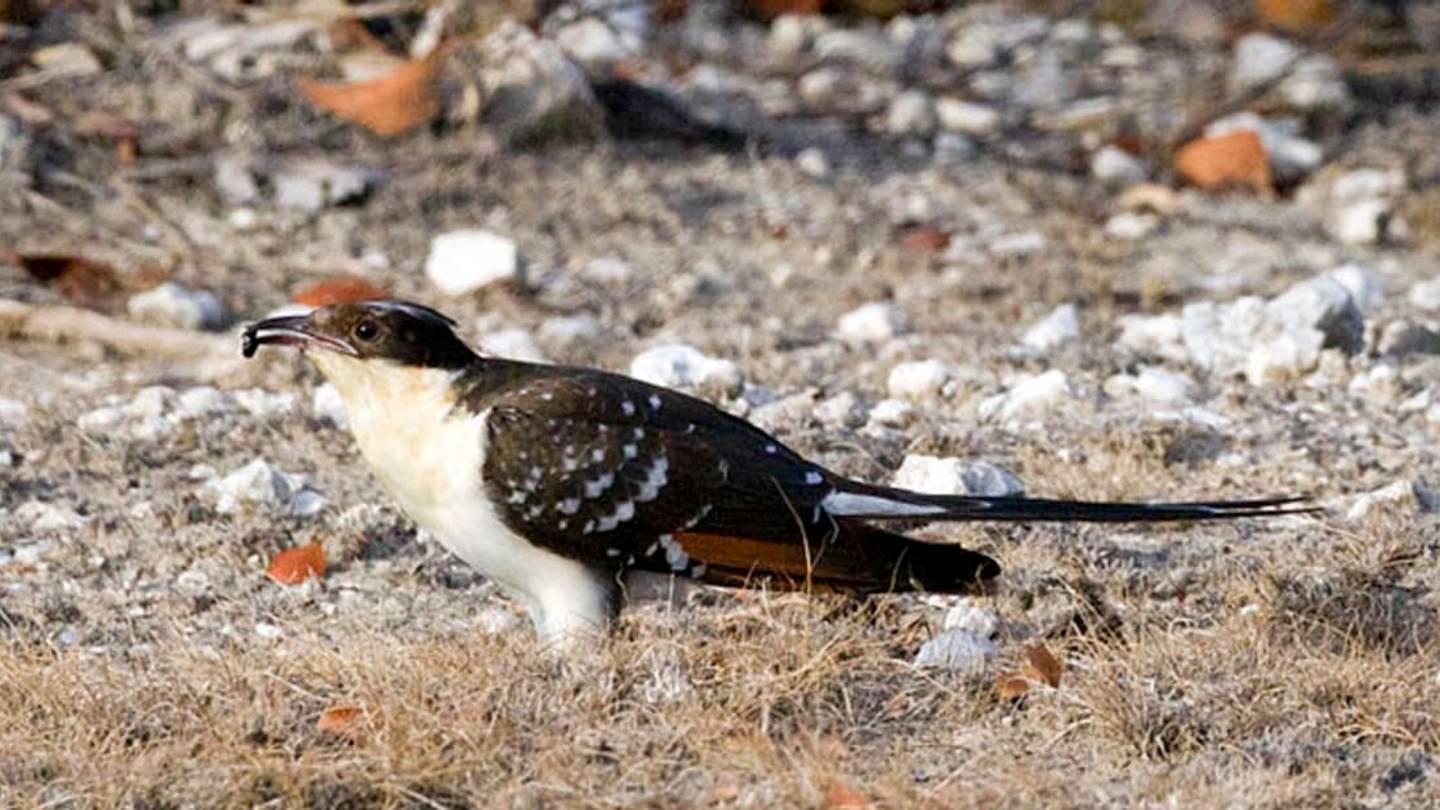
Cuckoos are some of natureâs most practicedâand successful âcon artists. Many species from this large family of birds are brood parasites. They lay their eggs in the nests of other birds and outsource the raising of their chicks to these foster parents, whose own babies are often murdered by the new arrivals. Even when the cuckoo doesnât defenestrate its adoptive siblings, it usually outcompetes them for food and parental care. So they're typically lousy house guestsâbut scientists now think that hosting a murderous freeloader might have some benefits, too.Â
Because of the costs of caring for them, many cuckoo hosts have developed defenses against them, like recognizing and evicting alien eggs or mobbing adult cuckoos when they try to sneak their eggs in. In northern Spain, carrion crows are plagued by great spotted cuckoos. More than two thirds of their nests are parasitized, but the crows donât drive the cuckoos out. The cuckoo chicks leave their foster siblings alone as well, and theyâre raised alongside each other without many problems. Even though they have to share food and attention from mom and dad, the crow chicks in parasitized nests donât seem to be in any worse condition than ones that grow up cuckoo-free.
Sometimes birds donât defend their nests because cuckoos are a relatively new problem, but the crows and cuckoos have been neighbors for ages. Biologist Daniela Canestrari wondered if the crows instead keep the cuckoos around because they get something out of it.
Canestrari has spent more than a decade studying crows in Europe, and long-term data from her years of crow studies showed that eggs in both parasitized and nonparasitized nests had roughly the same chance of hatching. Once the chicks were born, the parasitized nests were more successful (that is, more likely to produce at least one crow fledgling) than the ones without cuckoos.
To see if there was a benefit to getting saddled with another birdâs chicks, Canestrari and her team tracked four different kinds of crow nests: 14 ones that theyâd transferred cuckoo hatchlings to; 16 ones theyâd removed hatchlings from; and 28 parasitized and 24 non-parasitized ones that they left alone to serve as controls. The chick-shuffling experiment suggested a direct link between cuckoo chicks and the success of a nest. The nests that had their cuckoo chicks removed failed more than any of the others, including the controls, while the ones that had cuckoos added to them were the most successful of all the nests.
So how do cuckoo chicks help crows when all they do is sit around and take free meals? Jostle a great spotted cuckoo and youâll find out. When the chicks are harassed, they secrete a foul-smelling goo from their cloaca (a birdâs entrance and exit for mating and getting rid of waste) thatâs loaded with âcaustic and repulsiveâ ingredients like acids and sulfurous compounds. Itâs not something you want around your mouth or nose, and the researchers thought that it might scare predators away from the nests. When they offered bits of meat covered with either cuckoo secretions or plain water to feral cats, falcons and other crows (the three main groups that prey on crow nests), the predators overwhelmingly rejected the one with the cuckoo goo.
Canestrariâs study area was home to plenty of predators, which cause the failure of anywhere from a quarter to three-quarters of the crowsâ breeding attempts each year. As much of a pain as a cuckoo can be sometimes, any help a crow can get keeping all these predators at bay might be worth the hassle of taking care of someone elseâs kids. The benefit only comes when the cuckoo actually has predators to repel, though. In years with overall low rates of predation and nest failure, cuckoo-parasitized nests were less successful than they were during times with more attacks from predators.
The line between friend and foe, or parasite and protector, isnât always as cleanly drawn as it seems. As the shifting relationships between crow and cuckoo show, a lot depends on context and sometimes even the most obnoxious nest mates are nice to have around.
Loading recommendations... Please wait while we load personalized content recommendations