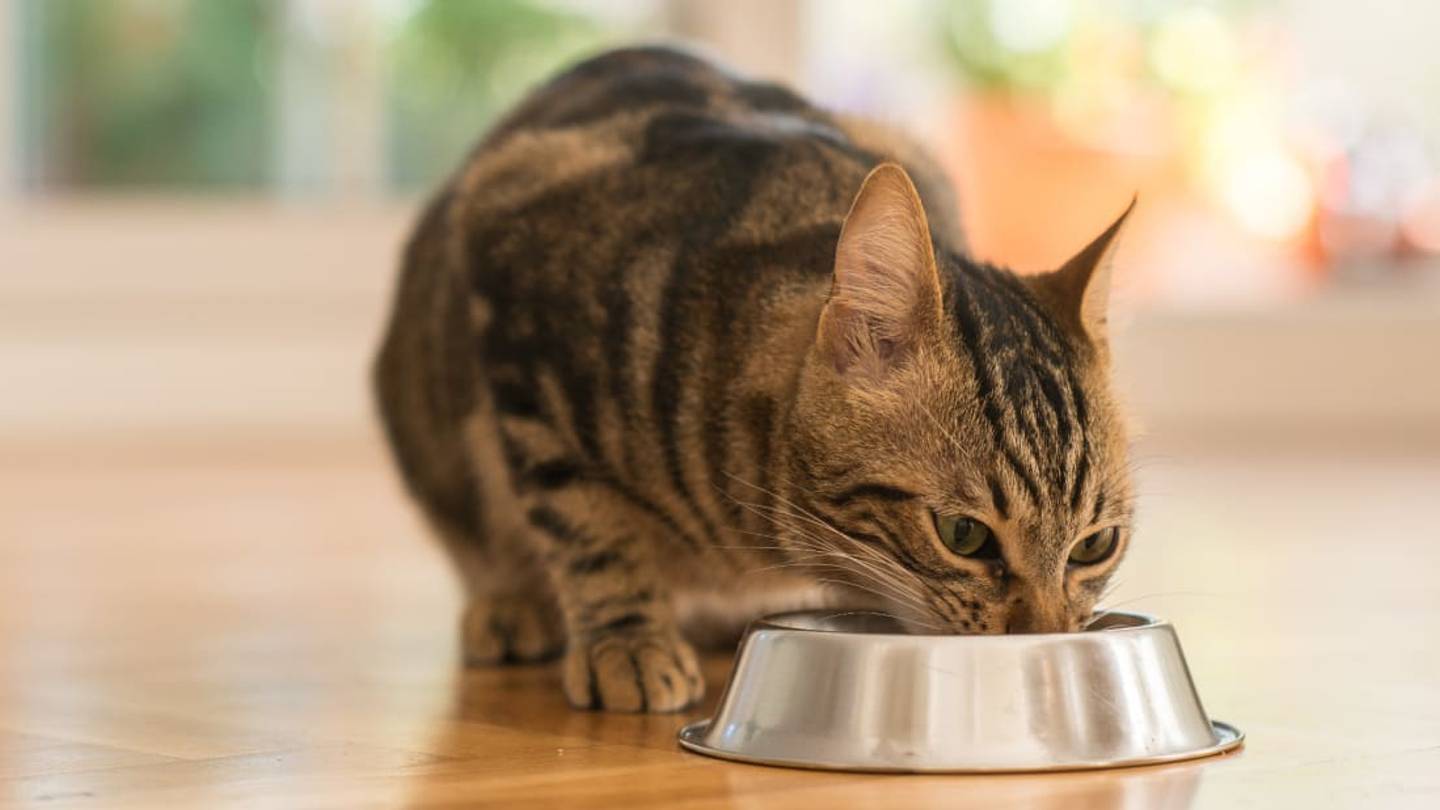
Animals tend to have an innate willingness to forage for food. In the wild, itâs basically mandatory. But even domesticated animals, like dogs, are willing to put in some workâvia a toy hiding a treat, for exampleâto get a meal, even when a bowl of kibble is readily available.
According to science, cats are not.
A new study published in the journal Animal Cognition reveals that when cats are given a choice between a meal freely accessible and a meal that requires some effort, cats will nearly always opt for the freebie.
Researchers at the University of California's Davis School of Veterinary Medicine presented 17 domesticated cats  with two trays of dry food. One was readily available, while the other stored the food in a food puzzle that required some hustle on the part of the cats. While some of the cats tried working on the puzzle, the majority opted for the free foodâthey headed there first, spent long amounts of time there, and ate more of the food in the tray. A total of eight cats didn't bother with the food puzzle at all.
Working for food in the animal world is known as contrafreeloading, or the willingness of an animal to put in effort even if other food is readily available. It seems to come naturally to most species, including birds , rodents, and wolves. These cats, however, didnât seem into it. And it wasnât laziness. Thanks to activity monitors, researchers could tell the cats were otherwise active.
One reason may be that domesticated cats donât normally have to work for their meals. Another is that, as predators, cats hunt and pounce on prey rather than go foraging for it.
Whatâs somewhat puzzling is that cats do seem to enjoy treat containers that require a bit of effort, so itâs not that theyâre opposed to putting in the work. But given the choice between that and a free meal, cats donât appear to be interested in playing human games.
Loading recommendations... Please wait while we load personalized content recommendations