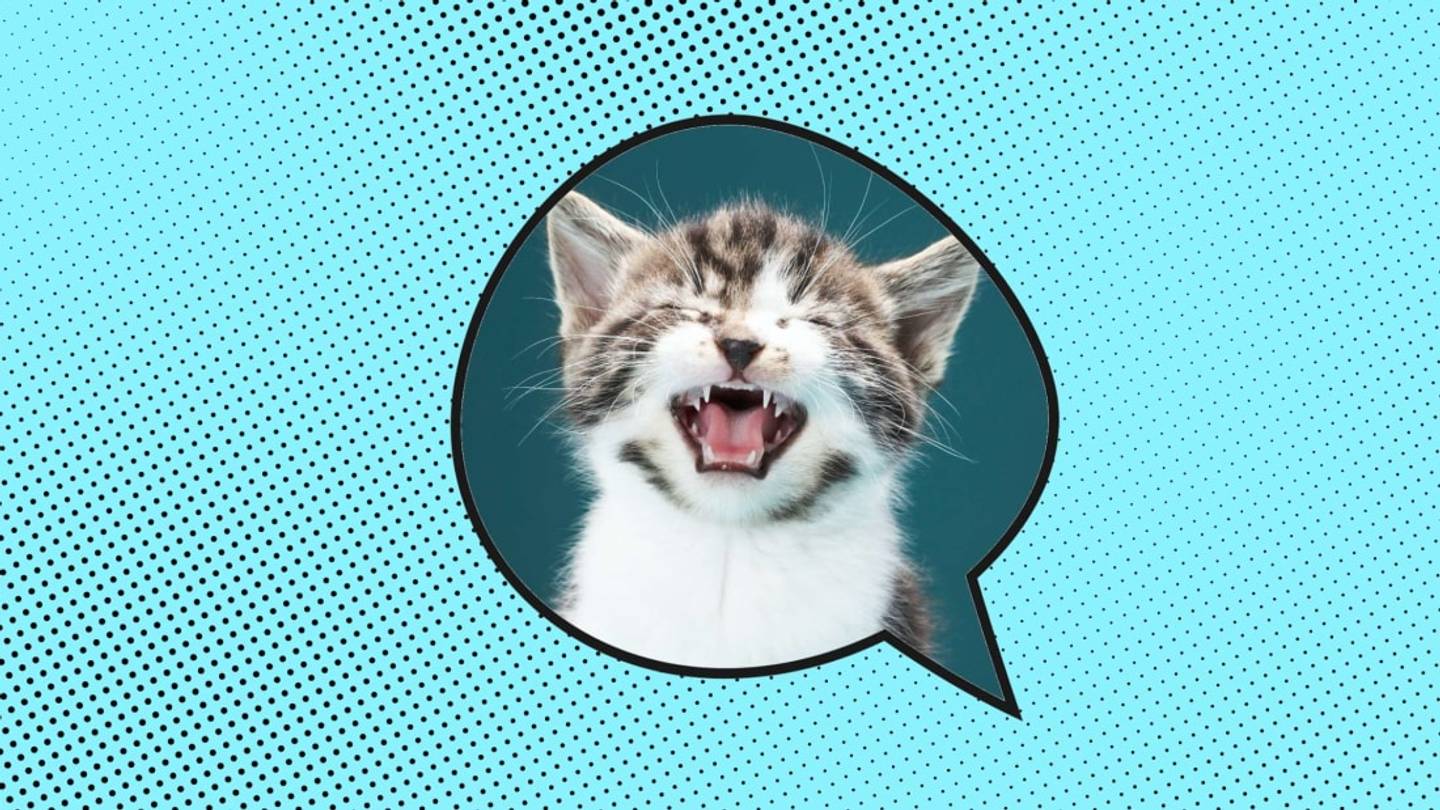
Itâs time to let the cat out of the bag: English isnât alone in featuring cats in its idioms. In languages from all over the world, expressions of all kinds are enhanced by the mention of our feline friends. That should come as no surprise; after all, thereâs more than one way to skin a cat. Drop these fun international idioms into conversation and soon youâll be looking like the cat that got the cream.
Looking for a more relevant phrase than the medieval hunting-inspired âbeat around the bushâ? In some Scandinavian languages, evasive behavior is exemplified by a cat who seeks to avoid eating too-hot porridge, as in the Swedish expression att gÃ¥ som katten runt het gröt or its Danish equivalent, at gÃ¥ som katten om den varme grød . Cat/porridge interactions might not be an everyday occurrence in your household, but you get the idea.
If porridge imagery isnât your thing, but you still need someone to be direct and tell it like it is, cats can still help you out. The French expression appeler un chat un chat (borrowed by speakers of Dutch, especially in Belgium, as een kat een kat noemen ) suggests thereâs nothing more straightforward than calling a cat a cat.
Even the most sociable cats are bashful when it suits them, but we know itâs only an act. In Indonesian, if a person is acting coy, theyâre being malu-malu kucing , or âshy-shy cat.â
This business about apples that âdidnât fall far from the treeâ isnât terribly useful as a metaphor for human behavior. Apples arenât sentient; we canât empathize with an appleâs journey. Enter the charming Irish phrase Cad a dhéanfadh mac an chait ach luch a mharú ? The catâs son has free will, yet he succumbs to his natural urge and kills a mouse, thus fulfilling his destiny. Now thatâs a narrative we can relate to!
Gossiping about folks who had a falling-out, but the reasons for the conflict are unclear? According to the Russian expression ÐÐµÐ¶Ð´Ñ Ð½Ð¸Ð¼Ð¸ коÑка пÑобежала ( mezhdu nimi koshka probezhala ), the whole thing happened because a cat got in the way. Hey, itâs not like you had a more logical explanation.
The Japanese expression â ç«ã®é¡ â ( neko no hitai , literally âcatâs foreheadâ) is used to describe small spaces. The tiny-house movement would have far more appeal if people were describing their diminutive dwellings as catsâ foreheads, orâhear us outâdesigning them to look like catsâ foreheads. So cute!
If youâve ever had to wrestle a cat into a carrier, you know just how dangerous a cornered feline can be. Next time you have suspicions about a situation, instead of saying thereâs âsomething fishy going on,â take a cue from the Spanish phrase aquà hay gato encerrado .
While cats are fearsome hunters, they donât have a great reputation for following directions, so it stands to reason you might prefer a different hunting companion. The idea behind this Portuguese adage, quem não tem cão caça com gato , is that we make do with the resources we have, even if theyâre not ideal.
The Finnish expression kuka kissan hännän nostaa ellei kissa itse invites you to brag about your own accomplishments. Sure, you could âtoot your own hornâ or âsing your own praises,â but this phrase lets you reframe your boastfulness as self-sufficiency.
Even the cat-based idioms that already exist in English have some room for improvement, so letâs end by tweaking a classic saying. âWhen the catâs away, the mice will playâ is all well and good, but is playing really all the mice want to do? Perhaps theyâre more ambitious than that. The Swahili adage paka akiondoka, panya hutawala takes things a step further, putting the mice in charge.
Loading recommendations... Please wait while we load personalized content recommendations