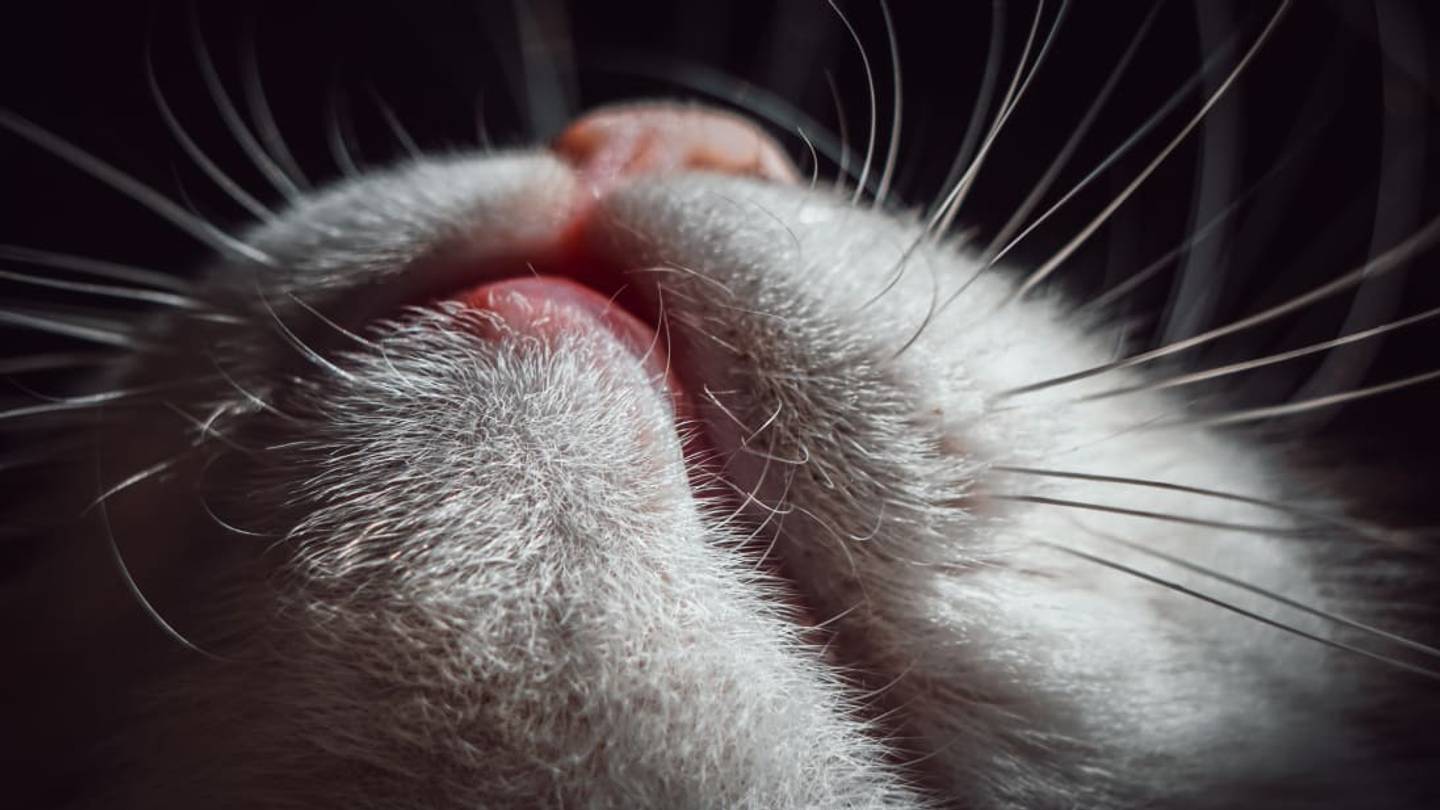
Just hours after burying his dearly departed cat, Garlic, in a nearby park, 22-year-old Chinese businessman Huang Yu had a change of heart. He dug him right back up and relocated him to the refrigerator.
Then, The New York Times reports , Huang forked over about $35,000 to a Beijing pet-cloning company called Sinogene, hoping it could bring back his beloved British shorthair, gone too soon from a urinary tract disease. Seven months later, Sinogene debuted Chinaâs first official cat clone (also named Garlic).
As The Scientist explains, Sinogene created 40 clone embryos using Garlicâs skin cells and other catsâ eggs, and then injected those embryos into four host cats. Though three of the cats did get pregnant, two miscarried. The last, luckiest cat surrogate gave birth to Garlic 66 days after insemination.
Sinogene began cloning dogs in 2015 after a survey indicated a healthy demand, and it has since cloned more than 40 dogs, each for about $53,000. The decision to undertake its first cat case was also based on market research that demonstrated catsâ rising popularity in China. Mi Jidong, Sinogene's chief executive, told The New York Times that the company's aspirations donât stop at house pets ; his scientists are currently working on cloning a horse, and pandas and endangered tigers are on the company's long-term to-do list.
Chinaâs lack of nationwide laws against animal cruelty gives Sinogene scientists free reign to experiment with animals in whatever ways theyâd like. Critics have long argued that animal cloning is inhumane for both the surrogates and the clones themselves.
Jessica Pierce, a University of Colorado Denver bioethicist, told The New York Times that a cloned pet âhas no intrinsic valueâ and is âused as an object, as a means to somebodyâs end.â And cloning is still new enough that we donât know if the cloned animals will experience adverse effects in their lifetimesâor in the case of wild cloned animals, damage to the species' gene pools.
Other critics take issue with the steep prices for pet clones, suggesting that the money could better aid existing animals .
Though Huang told The New York Times that having Garlic returned to him would have been worth even more than $35,000, he had a different problem with his reincarnated kitten: It didnât look exactly like the original Garlic, who had a small patch of black fur beneath his mouth that the clone doesnât have.
âIf I tell you I wasnât disappointed, then I would be lying to you,â he admitted to The Times . âBut Iâm also willing to accept that there are certain situations in which there are limitations to the technology.â
[h/t The Scientist ]
Loading recommendations... Please wait while we load personalized content recommendations