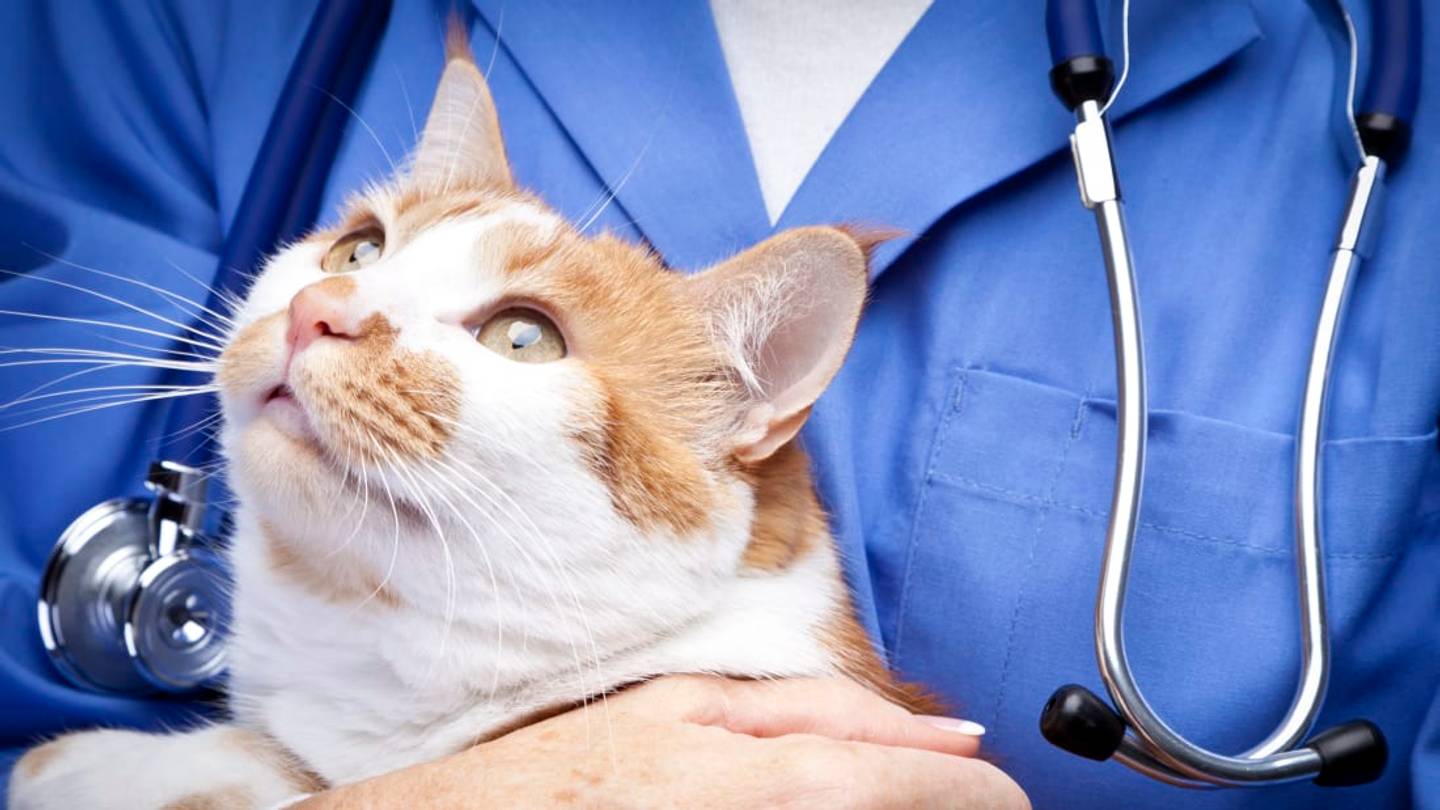
Every cat parent has experienced the soul-crushing rejection of picking up their kitty for some cuddles, only for Fluffy to fight for freedom, occasionally leaving behind a nasty trail of scratches. The good news is that your cat probably doesn't hate youâyou might just be holding him wrong.
There are a few ways to avoid having to break out the first aid kit, all while making your cat feel more comfortable and secure. In a video spotted by IFL Science , veterinarian Uri Burstyn of the Helpful Vancouver Vet YouTube page used cat models Claudia and Pirate to demonstrate some proper handling techniques.
There are a few different maneuvers you can use, depending on your catâs personality and what youâre trying to accomplishâwhether it be picking them up for some cuddles or holding them down to get them to swallow a pill. First, Dr. Burstyn advises pet owners to approach with caution, letting the cat sniff your fingers or giving her some gentle tickles under the chin.
If the cat seems receptive, you can now pick him or her up. Dr. Burstyn notes that âthe key to picking up a cat safely is to make them feel supported.â Letâs say you want to remove your cat from the kitchen counter for the thousandth time: Place one hand under the catâs chest, another under the abdomen, and lift gently. This prevents the cat from kicking its hind legs in an attempt to gain ground, which is one of the most common causes of scratches, Dr. Burstyn says.
Whether youâre holding a cat in your arms or trying to stop them from running away, the key is cat squishing. Yes, really. Gently press down on a cat thatâs trying to wriggle its way out of your grasp. If you're holding the cat, pull it closer to your body.
âIf we do have a cat whoâs trying to get away from us, we always squish that cat,â Dr. Burstyn says. âYou donât have to worry about hurting a cat. Theyâre very tough little beasts and just squishing them against your body is never going to do them any harm. In fact, they tend to feel more safe and secure when theyâre being held tightly.â
Thereâs another hold that Dr. Burstyn calls the âfootball carry,â which involves scooping up the cat so that its head is tucked between your arm and your torso. One hand supports its abdomen while another supports its bottom. This is best for emergency situations when you need to move your pet quickly.
And if you happen to have a âshoulder catâ like Pirate, theyâll do most of the work themselves by climbing onto your shoulder, but thereâs still a proper holding technique. Support their butt with one hand, and when youâre ready to put them down, slowly lean forward while still supporting their bottom until they twist around and hop back on their feet.
Of course, some cats simply don't like to be held, so it's important to pay attention to their body language. A low tail and flattened ears are both signs that your feline probably wants to be left alone, according to Mother Nature Network .
For more on Dr. Burstyn's tips, check out the video below.
Loading recommendations... Please wait while we load personalized content recommendations