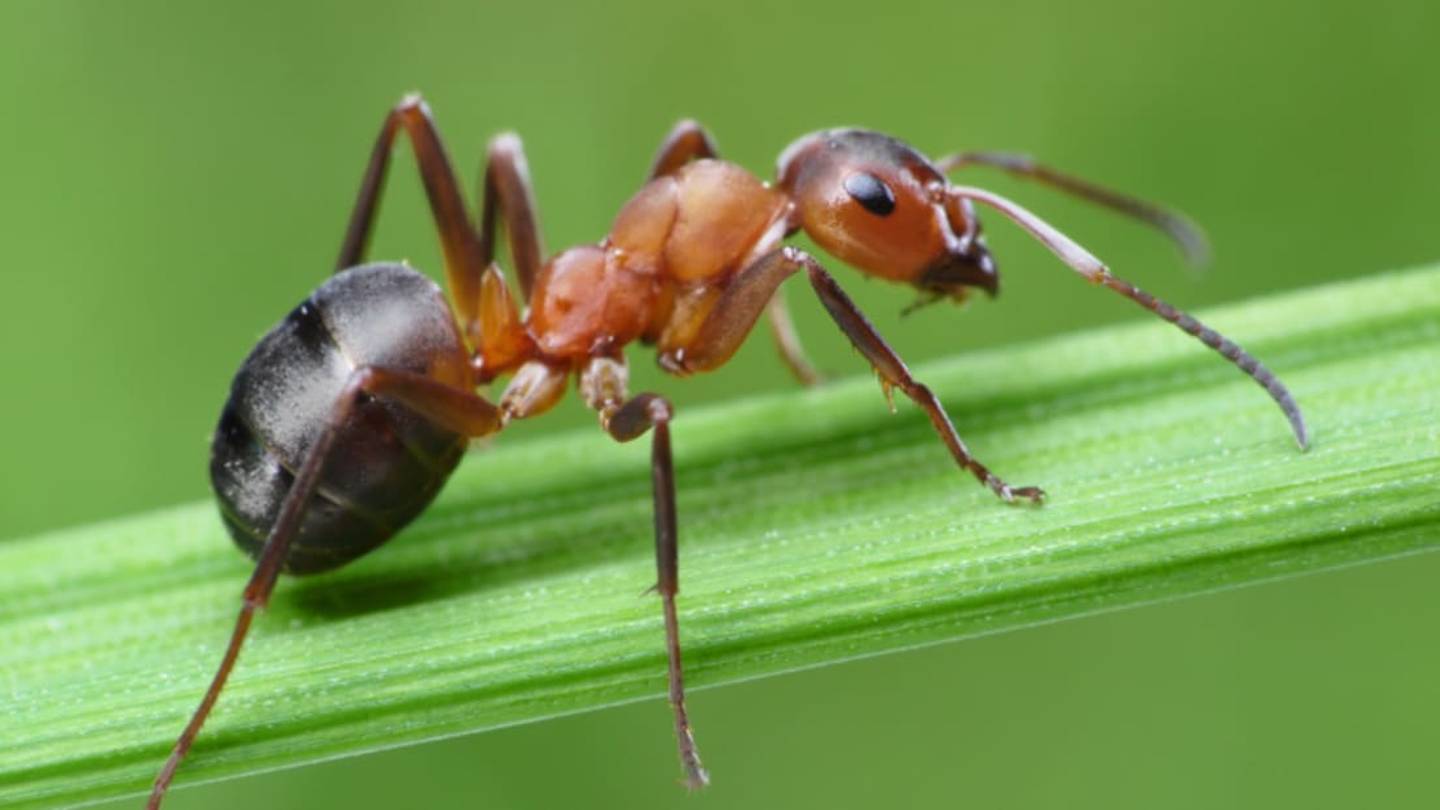
When you live on an ant farm, Fatherâs Day gets a little complicated.
Ants donât have sex chromosomesâtheir eggs hatch regardless of whether theyâre fertilized. Instead, fertilization functions as a gender determinant: A fertilized egg yields a baby girl; an unfertilized ant egg yields a baby boy.
The phenomenon is called haplodiploidy. Male ants are haploid, meaning they have just one set of chromosomes (which they receive from their mother). Female ants are diploid, and have two sets of chromosomes--one from mom and another from dad. So not only do male ants lack a father, but they also canât have sons. Only daughters. That said, male ants can have grandsonsâas long as their diploid daughters have children of their own.
Although their life sounds like it was ripped from a twisted soap opera, guy ants still lead a pretty cushy, albeit short, existence. Unlike females, who do all of the heavy work, males are mere procreators. They donât help build or maintain the colony; they simply ensure the species keeps on living. After birth, winged male ants take to the skies with recently birthed female princesses in a rite called ânuptial flight.â The females get fertilized and strike out on their own to found new colonies. The males, on the other hand, die.
Just remember that the next time you watch A Bugâs Life .
Want more amazing stories like this? Subscribe to mental_floss magazine  today!
Loading recommendations... Please wait while we load personalized content recommendations