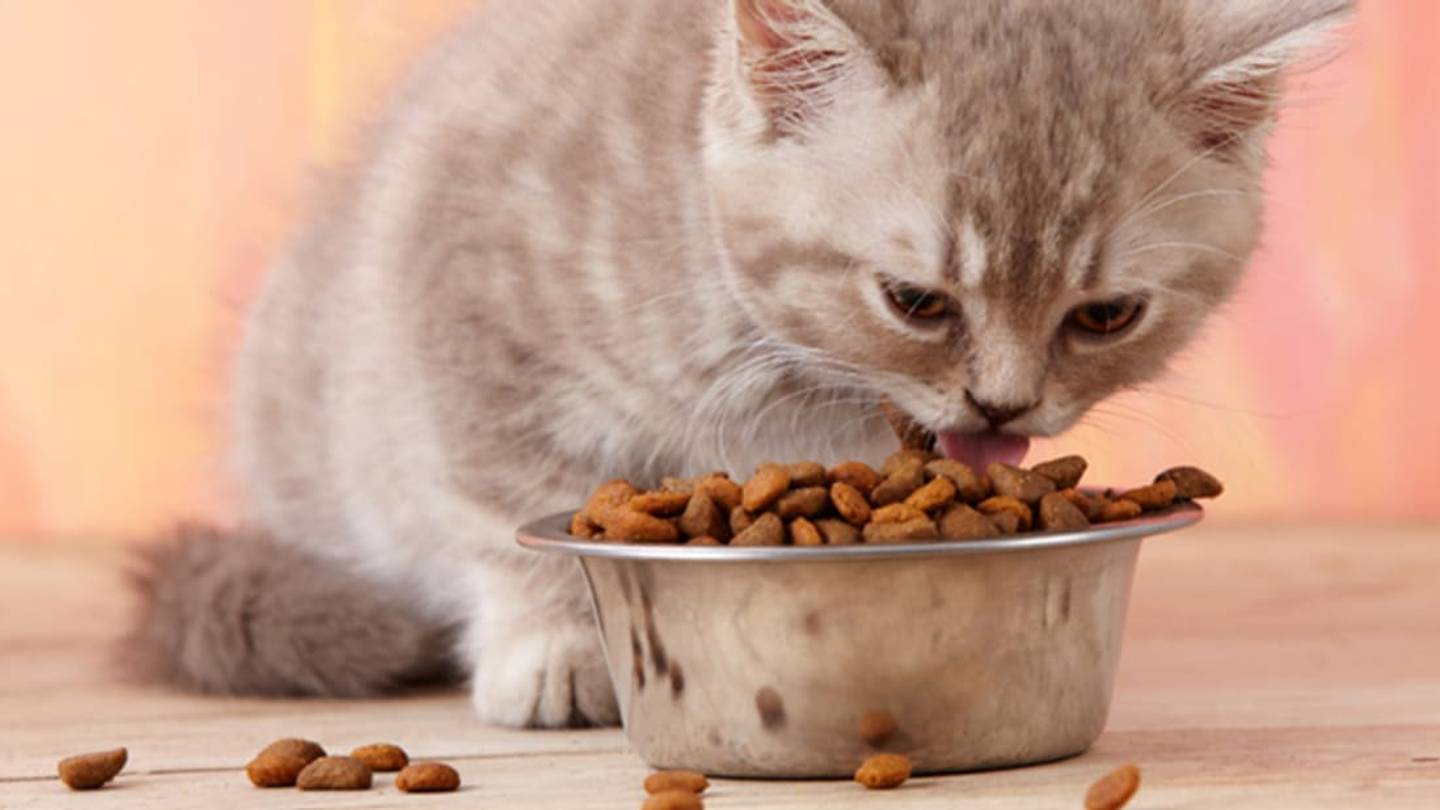
Cats are notoriously picky eatersâand one reason may be that theyâre fine-tuned to detect bitterness. Cats canât taste sweetness , but they have a dozen genes that code for bitter taste receptors. A recent study from researchers at the Monell Chemical Senses Center in Philadelphia and Cincinnati Childrenâs Hospital finds that at least seven of these bitter taste receptors are functional, indicating that cats are very sensitive to those tastes.
In order to figure out whether the 12 known bitterness receptor genes actually cause cats to taste bitterness, the researchers inserted these genes into human cells and figured out which ones responded to chemicals that cause people to taste bitterness (since cats canât tell us when something is bitter).Â
Scientists theorize that animals evolved to taste bitterness as a way to avoid poisons, especially in plants. However, cats are carnivores, and they wouldnât be exposed to much bitterness in the course of their meat-eating meals, compared to a species that survives off plants. By that hypothesis, cats should have fewer bitter taste receptors than herbivores, since they donât need them as much.Â
So why do carnivorous cats still carry so many bitterness-tasting genes? It might help them avoid bitter compounds in animal products, like bile acids and venom. Or it might be that bitter receptors have functions beyond the mouthâfor instance, one taste receptor in the human respiratory system has been found to ward off infection.
More research is needed to determine why exactly cats have such a fine-tuned palate for bitter foods, but in the meantime, the same technique that allowed the researchers to tell what cats seem to taste as bitter could help cat food makers find more delicious blends for picky kitties.
Loading recommendations... Please wait while we load personalized content recommendations