In 1998, 30 Przewalskiâs horsesâan endangered species considered the last wild horses still in existenceâwere released into the Chernobyl Exclusion Zone and left to their own devices. There were wolves to contend with, not to mention potentially devastating radiation, but the horses didnât have to worry about human interference at all.
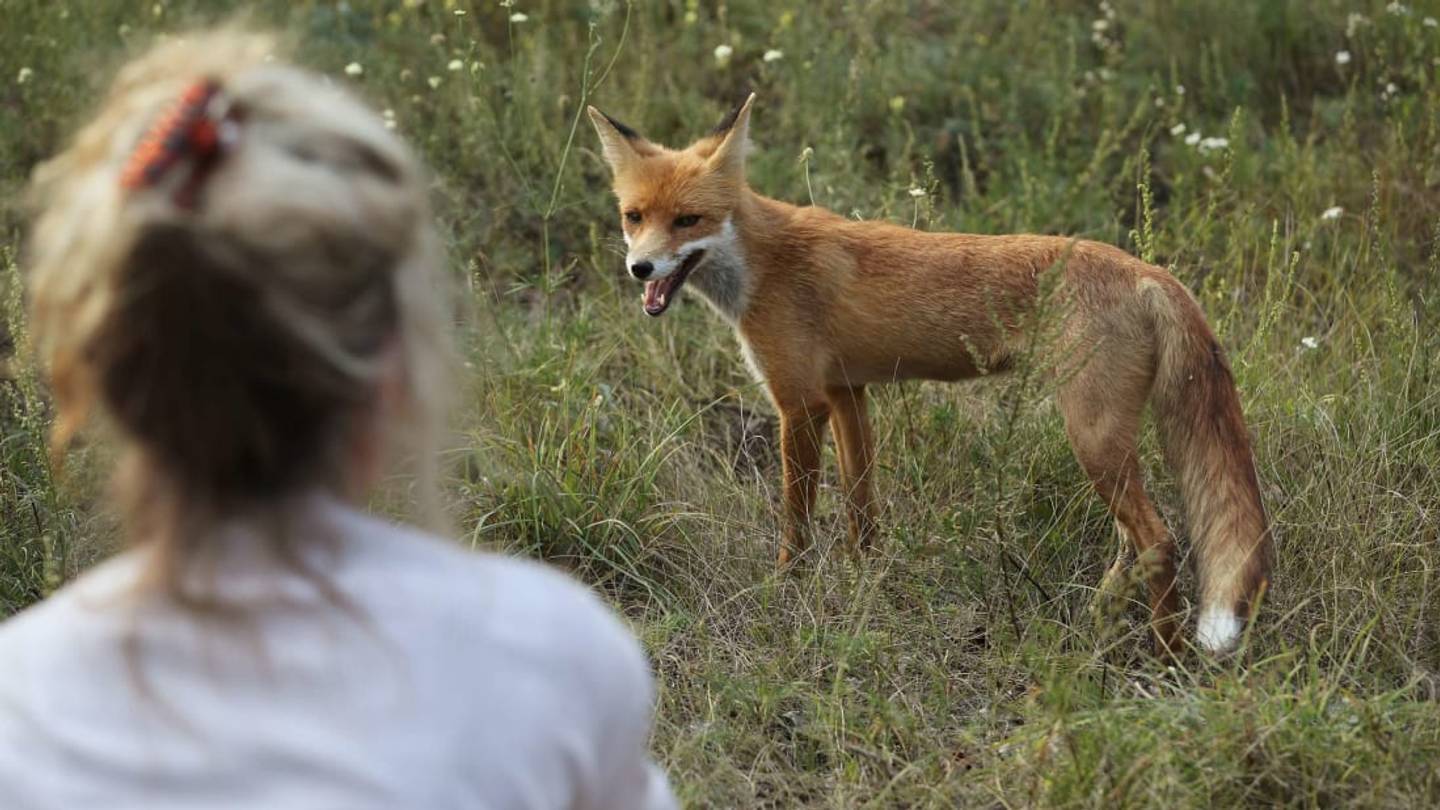
Now, itâs estimated that at least 150 Przewalskiâs horses roam the region. Theyâre in good company, too. âOur camera trap surveys in Ukraine have photographed Eurasian lynx, brown bear, black storks, and European bison,â Nick Beresford, a researcher at the UK Centre for Ecology and Hydrology, told Euronews. âUkrainian and Belarussian researchers have recorded hundreds of plant and animal species in the zone, including more than 60 [rare] species.â Elk, deer, boars, and wolves are also in abundance.
Thatâs not to say the wildlife was unscathed by the 1986 nuclear disaster that caused thousands of human deaths. Following the explosion, radiation killed the pine forest near the power plant, contaminated the water, and wiped out plenty of plant and animal populations. Soviet forces also patrolled the exclusion zone and shot any surviving animals on sight.
Since then, the flora and fauna have bounced backâand from what researchers can see, they appear to be thriving. What they canât see could tell a slightly different story. Many crops grown there recently still registered dangerous levels of radioactivity, and mutations are more common in Chernobylâs plants and animals than in those from other regions. Beyond that, we donât have a complete picture of how radiation is impacting a lot of the wild species currently occupying the zone. But the population growth and impressive biodiversity suggest that things are going surprisingly well for Chernobylâs wildlifeâmaybe even better than they would be if humans were still living there.
âThe burden brought by radiation at Chernobyl is less severe than the benefits reaped from humans leaving the area,â Stuart Thompson, a plant biochemistry lecturer at Londonâs University of Westminster, told Euronews. And since humans might not be allowed to safely set up shop in Chernobyl again for around 24,000 years, plants and animals can continue reaping those benefits for the foreseeable future.
Loading recommendations... Please wait while we load personalized content recommendations