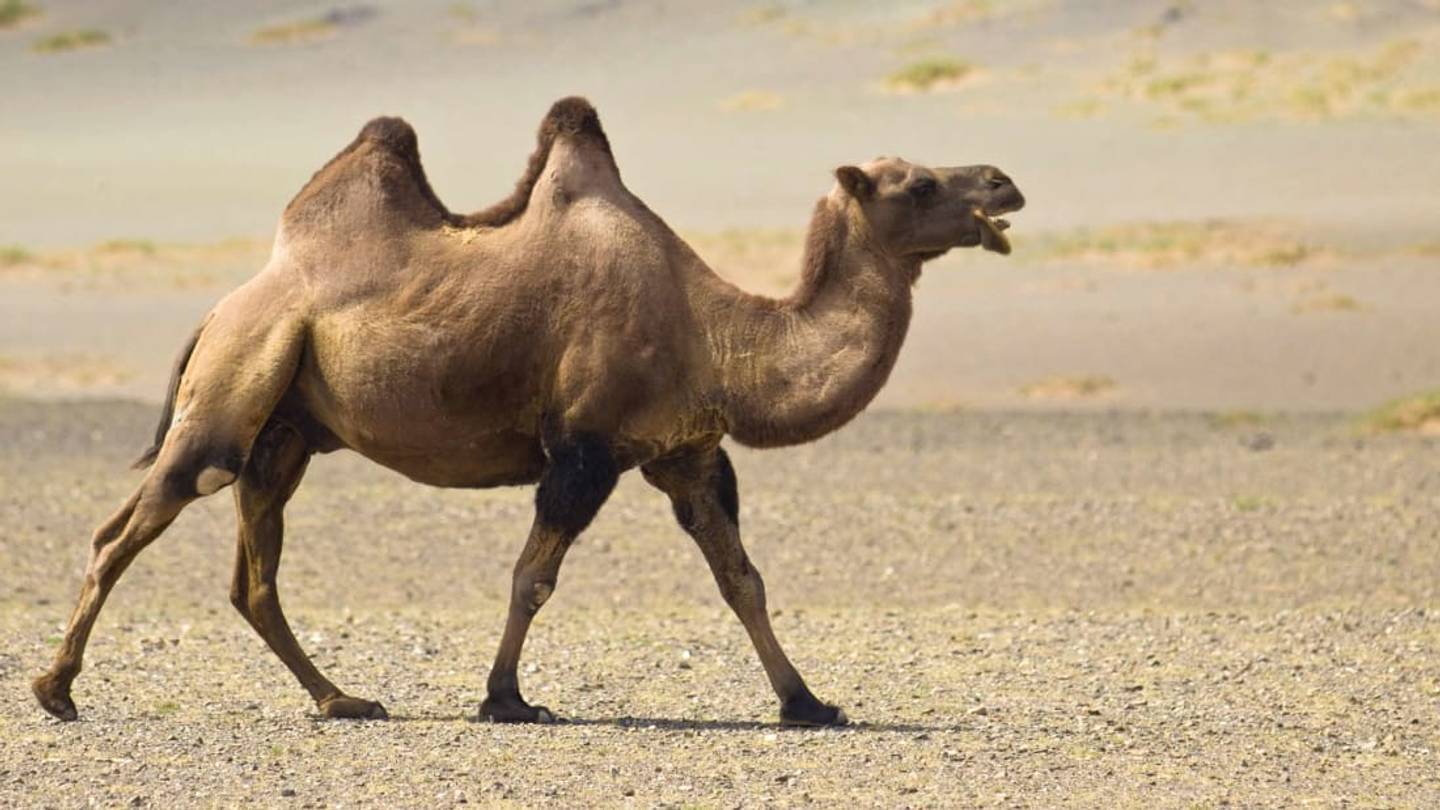
Since water is difficult to come by in the desert and camelsâ backs have built-in storage compartments, people have long assumed that those two truths are connected. They technically are, but maybe not in the way you thought.
Water isnât the only scarce resource in the desertâfood is, too. So camels consume as much as they can when itâs available, harboring the excess fat in their humps and drawing from that stock whenever thereâs no food in sight. According to the San Diego Zoo , the creatures can survive for months without a meal, sometimes losing up to 40 percent of their body weight during that time.
Though the humps arenât used to store water, they may help camels preserve some of the water found elsewhere in their bodies. As Britannica explains , confining fat to one spotârather than storing it throughout the body, like many other mammalsâmeans that most of a camelâs surface area isnât insulating heat. This helps keep its body temperature low during the day, forestalling the need to sweat. When night falls and the desert grows cold , the heat insulated in the hump or humps gets dispersed, keeping the camel warm.
When it comes to staying hydrated, camelsâ tactics are less about locking water away in storage and more about using it as efficiently as possible. According to National Geographic , Arabian or dromedary camels (which have one hump) and Bactrian camels (which have two) can both guzzle about 30 gallons of water in 13 minutes. This capability is thanks in part to their elliptical blood cells, whose flexibility helps with water absorption and blood flow. Since camels urinate infrequently, create feces so dry you can actually burn it, and can let their body temperature get as high as 106°F before needing to offload some of that heat through sweat, theyâre basically built to retain water and withstand dehydration.
Loading recommendations... Please wait while we load personalized content recommendations