The typical doxie traits of being persistent, long, and low to the ground made the little German dogs perfect for diving into narrow burrows to roust out badgers. Being fearless is another reason wiener dogs were perfect for the task: Can you imagine coming up against an angry badger or fox in a confined area with no immediate means of escape?
The Bichon Frise has been around since before the 14th century, when they were frequently found on ships, serving the dual purpose of keeping sailors company on long journeys and being used for bartering once the destination was reached. In the late 1800s, the smart little dogs were known as circus pooches or organ grinder dogs for their ability to perform tricks.
We might think of poodles as somewhat prissy dogs, but they were first bred to get down and dirty by jumping into ponds and bogs to retrieve birds shot by their masters. Thatâs where the distinctive poodle cut comes fromâbecause their coats became heavy and cumbersome when soaking wet, they were shaved, except for strategic areas left unshorn for warmth.
Back in the day when it was common to own large estates (and a large staff to go with it), landowners hired private groundskeepers to stop people from illegally hunting game on their property. In order to patrol acres and acres of ground, these groundskeepers needed dogs that were brave enough to track down poachers and powerful enough to keep them detained until the criminal could be brought to law enforcement. A crossbreed of the bulldog and the mastiff was determined to be the perfect fit.
With origins in 17th-century Germany, this âmonkey dogâ (so-called because of their facial structure) was originally used to hunt small vermin, as Yorkies were. Because of their small size and mischievous personalities, the Affenpinscher eventually ended up being used mostly as a companion dogâbetter suited to the laps of their owners than hunting through city sewers.
Bloodhounds, thought to be the oldest (and arguably best) scent trackers out there, originated in an 8th-century Belgian monastery. With almost supernatural tracking abilities, the droopy-faced hound has always been popular with hunters and was a favorite of French kings.
Jack Russell terriers were, in fact, bred by a man named John (Jack) Russell, a 19th century English clergyman. The breedâs stamina and high energy were intended to help them hunt foxes. Now you know why yours canât sit still! These days, by the way, the proper name is âParson Russell Terrier.â
Though these small dogs were said to have been used as guard dogs for Chinese temples and palaces, they were mostly bred for their distinctive, goat-like looks.
In the late 19th century, Louis Dobermann of Apolda, Germany, decided he needed some extra protection due to his multiple duties as the town dogcatcher, policeman, and tax collector. Itâs thought that he bred German pinschers, rottweilers, black and tan terriers and greyhounds to come up with the Dobermann, which was posthumously named after him.
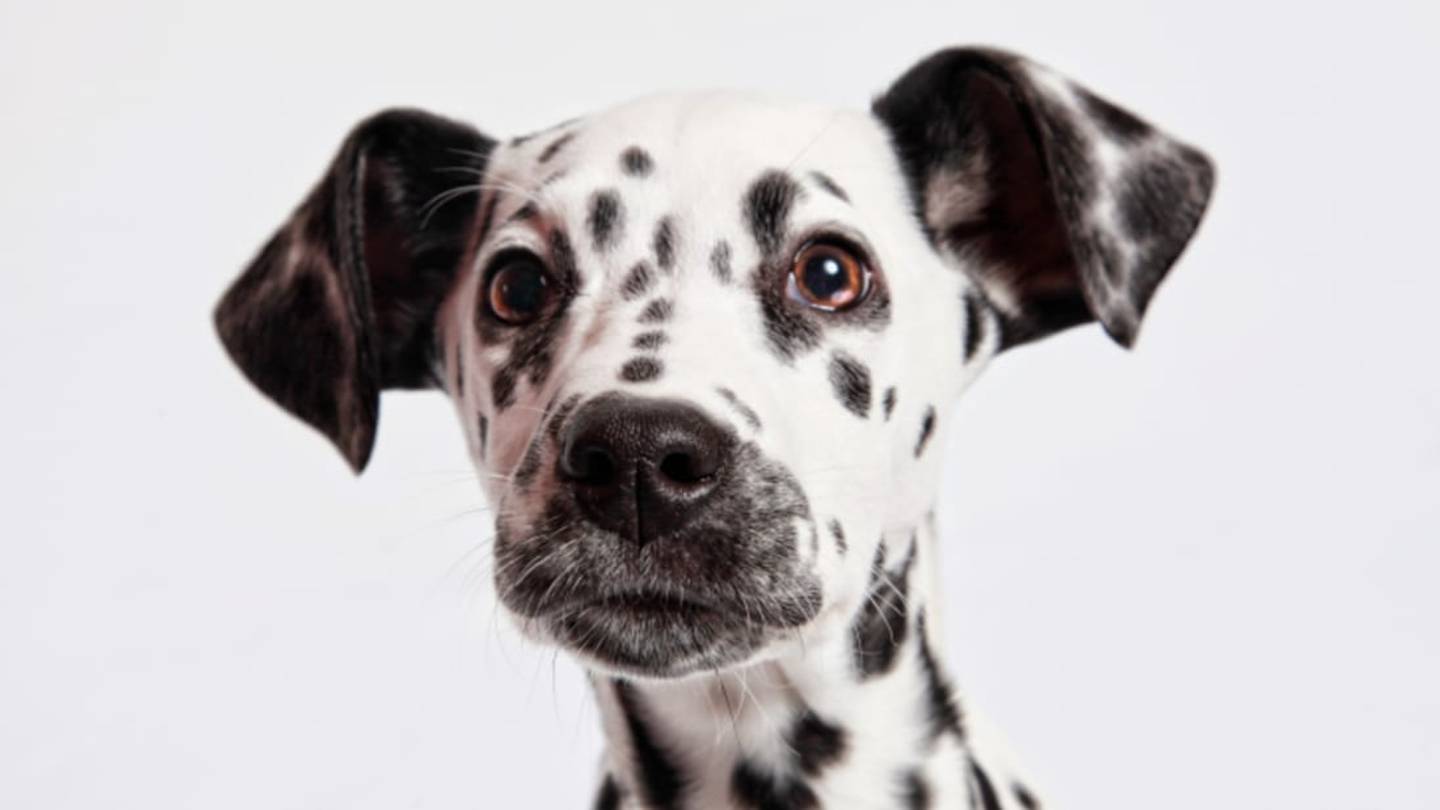
Dalmatians are an ancient breed, so much so that similar-looking dogs decorate the tombs of Egyptian pharaohs dating from 2000 BCE. They were later stationed on the coaches of kings, queens, and other public figuresâwhich may be how they eventually came to ride on fire trucks in the U.S. Theyâre not just pretty faces, thoughâfiremen also valued their loud barks because they helped clear bystanders out of the way.
The stories are true: In the 17th century, monks from the Hospice of Saint Bernard used the colossal canines to guard their compoundâbut also to find travelers lost in the Swiss Alps. They were bred to be large enough to tromp through deep snow, of course, but were also bred to have an exceptional sense of smell to locate wayward souls.
Developed only a little over 100 years ago, the Airedale was bred to have the persistence and toughness of a dog meant to go after everything from rats to otters to mountain lions. Thatâs a far cry from how theyâre often used today, as therapy dogs at hospitals and nursing homes.
For centuries, the collie has been used as a working dog, keeping sheep and other livestock within the appropriate boundaries. These days, their gentle temperament and natural instinct to look out for small creatures make them great family dogs.
Anyone who has ever owned a Yorkie will attest to what fierce little creatures this breed can beâand with good reason. Scottish weavers and miners were sick of rats invading their workspaces and set out to create a small but feisty breed of dog that could take the rodents on.
Long before they became the darlings of Internet memes, these long, low pooches were prized for their herding abilities. They could handle cattle, sheep, and perhaps most adorably, even ducks and geese!
Loading recommendations... Please wait while we load personalized content recommendations