Dogs are a lot more complicated than we give them credit for. As a result, sometimes things get lost in translation. Weâve yet to invent a dog-to-English translator, but there are certain behaviors you can learn to read in order to better understand what your dog is trying to tell you. The more tuned-in you are to your dogâs emotions, the better youâll be able to respondâwhether that means giving her some space or welcoming a wet, slobbery kiss.
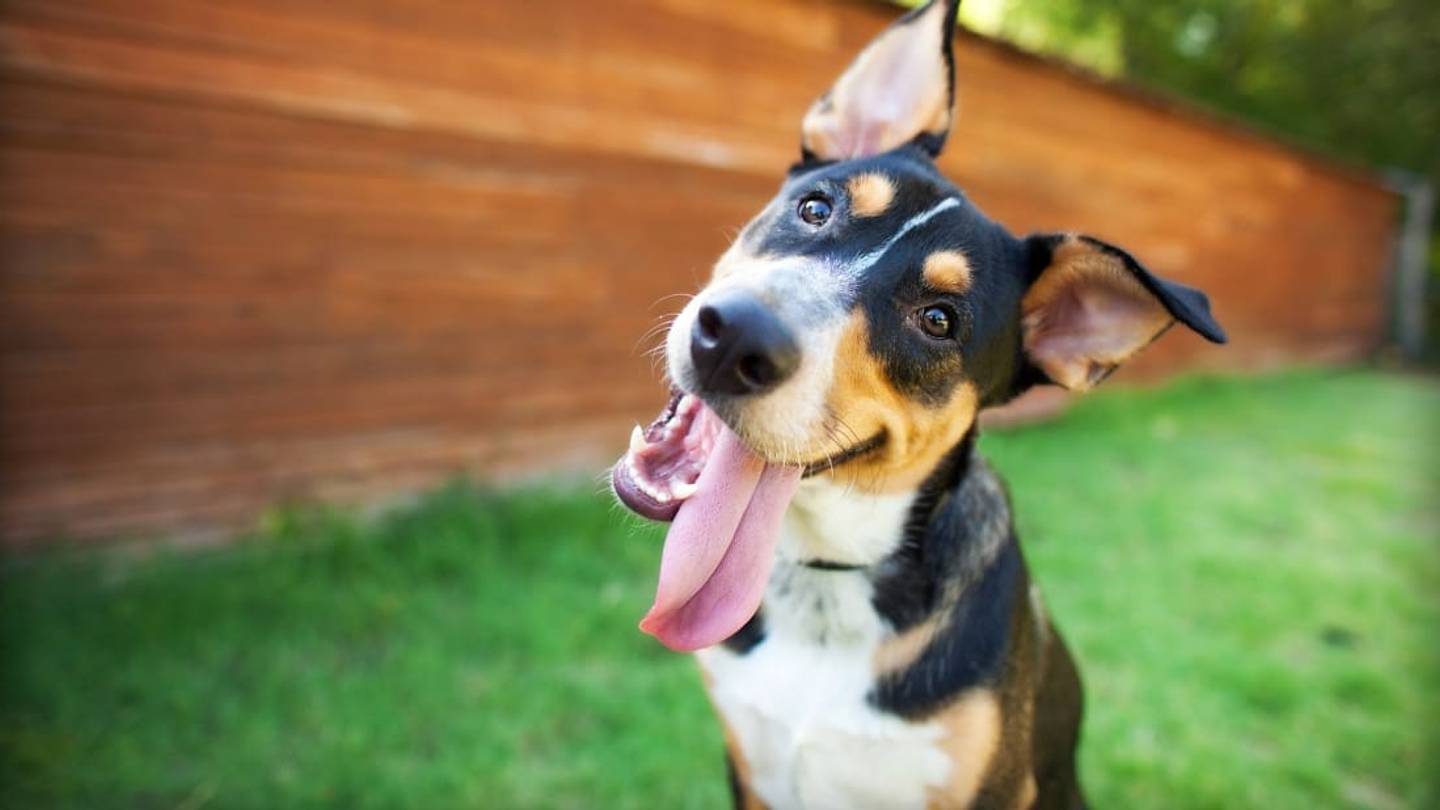
1. What youâll see: Your dog is standing with his legs and body relaxed and tail low. His ears are up, but not pointed forward. His mouth is slightly open, heâs panting lightly, and his tongue is loose. His eyes? Soft or maybe slightly squinty from getting his smile on.
What it means: âHey there, friend!â Your pup is in a calm, relaxed state. Heâs open to mingling, which means you can feel comfortable letting friends say hi.
2. What youâll see: Your dog is standing with her body leaning forward. Her ears are erect and angled forwardâor have at least perked up if theyâre floppyâand her mouth is closed. Her tail might be sticking out horizontally or sticking straight up and wagging slightly.
What it means: âHark! Who goes there?!â Something caught your pupâs attention and now sheâs on high alert, trying to discern whether or not the person, animal, or situation is a threat. Sheâll likely stay on guard until she feels safe or becomes distracted.
3. What youâll see: Your dog is standing, leaning slightly forward. His body and legs are tense, and his hacklesâthose hairs along his back and neckâare raised. His tail is stiff and twitching, not swooping playfully. His mouth is open, teeth are exposed, and he may be snarling, snapping, or barking excessively.
What it means: âDonât mess with me!â This dog is asserting his social dominance and letting others know that he might attack if they donât defer accordingly. A dog in this stance could be either offensively aggressive or defensively aggressive. If you encounter a dog in this state, play it safe and back away slowly without making eye contact.
4. What youâll see: As another dog approaches, your dog lies down on his back with his tail tucked in between his legs. His paws are tucked in too, his ears are flat, and he isnât making direct eye contact with the other dog standing over him.
What it means: âI come in peace!â Your pooch is displaying signs of submission to a more dominant dog, conveying total surrender to avoid physical confrontation. Other, less obvious, signs of submission include ears that are flattened back against the head, an avoidance of eye contact, a tongue flick, and bared teeth. Yupâa dog might bare his teeth while still being submissive, but theyâll likely be clenched together, the lips opened horizontally rather than curled up to show the front canines. A submissive dog will also slink backward or inward rather than forward, which would indicate more aggressive behavior.
5. What youâll see: Your dog is crouching with her back hunched, tail tucked, and the corner of her mouth pulled back with lips slightly curled. Her shoulders, or hackles, are raised and her ears are flattened. Sheâs avoiding eye contact.
What it means: âIâm scared, but will fight you if I have to.â This dogâs fight or flight instincts have been activated. Itâs best to keep your distance from a dog in this emotional state because she could attack if she feels cornered.
6. What youâll see: Youâre staring at your dog, holding eye contact. Your dog looks away from you, tentatively looks back, then looks away again. After some time, he licks his chops and yawns.
What it means: âI donât know whatâs going on and itâs weirding me out.â Your dog doesnât know what to make of the situation, but rather than nipping or barking, heâll stick to behaviors he knows are OK, like yawning, licking his chops, or shaking as if heâs wet. Youâll want to intervene by removing whatever it is causing him discomfortâsuch as an overly grabby childâand giving him some space to relax.
7. What youâll see: Your dog has her front paws bent and lowered onto the ground with her rear in the air. Her body is relaxed, loose, and wiggly, and her tail is up and wagging from side to side. She might also let out a high-pitched or impatient bark.
What it means: âWhatâs the hold up? Letâs play!â This classic stance, known to dog trainers and behaviorists as âthe play bow,â is a sign sheâs ready to let the good times roll. Get ready for a round of fetch or tug of war , or for a good long outing at the dog park.
8. What youâll see: Youâve just gotten home from work and your dog rushes over. He canât stop wiggling his backside, and he may even lower himself into a giant stretch, like heâs doing yoga.
What it means: âOhmygoshImsohappytoseeyou I love you so much youâre my best friend foreverandeverandever!!!!â This oneâs easy: Your pup is overjoyed his BFF is back. That big stretch is something dogs donât pull out for just anyone; they save that for the people they truly love. Show him you feel the same way with a good belly rub and a handful of his favorite treats .
The best way to say âI love youâ in dog? A monthly subscription to BarkBox. Your favorite pup will get a package filled with treats, toys, and other good stuff (and in return, youâll probably get lots of sloppy kisses). Visit BarkBox to learn more.
Loading recommendations... Please wait while we load personalized content recommendations