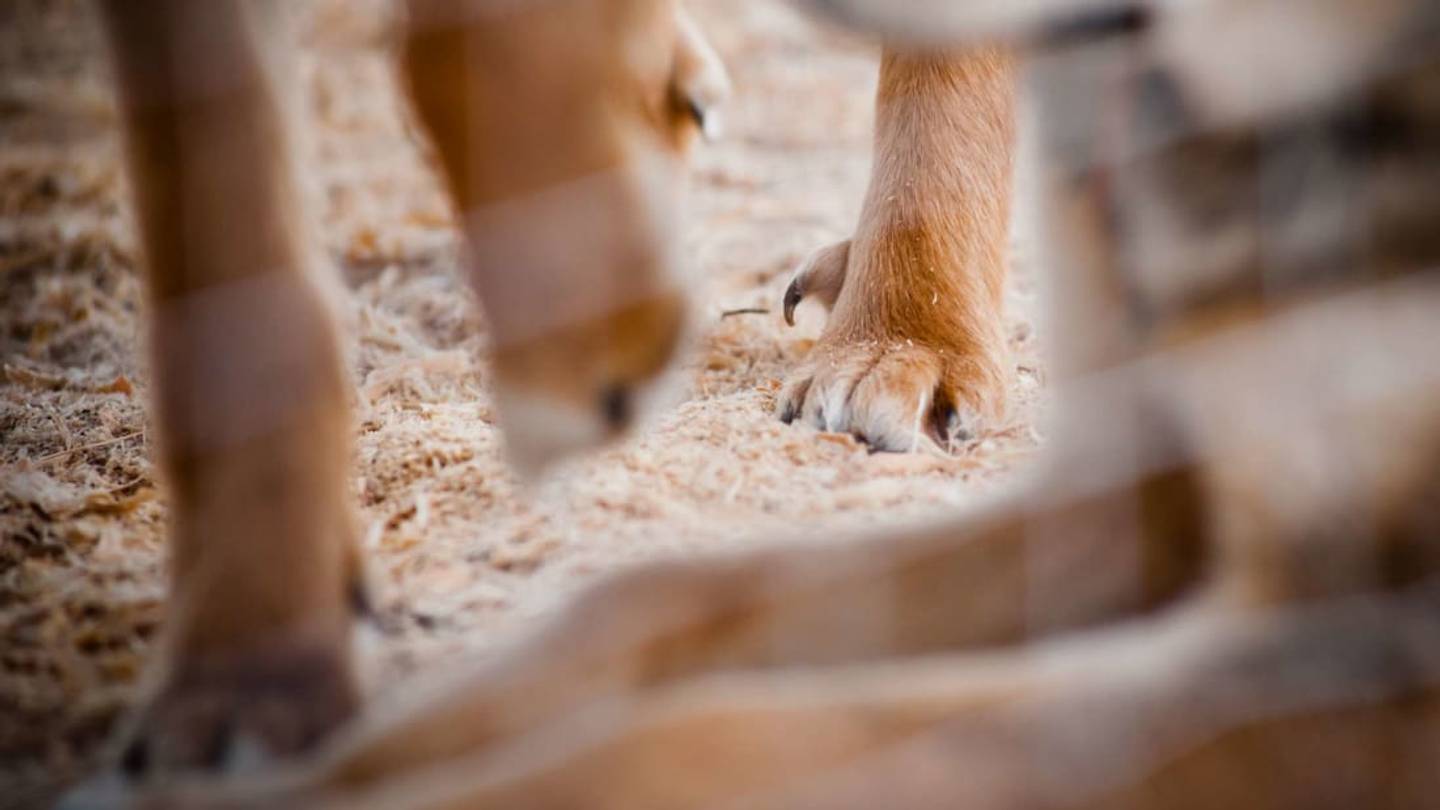
While the position of a dogâs dewclawâseparated from the rest of their digitsâmakes it look like the canine version of a thumb, they donât exactly use it to hold a beer, indicate approval, or do anything else our thumbs do. You may have even assumed dewclaws did nothing at all.
They do, however, serve a purpose. Read on to find out what that is (and what the verdict is on dewclaw removal).
The word dewclaw describes a digit that doesnât touch the ground, which is found on the feet of dogs , cats, and other mammals.
Most dogs only have them on their front feet, but a few breedsâ including Great Pyrenees and Briardsâalso have them on their hind feet. As PetMD explains , front dewclaws have less mobility, because theyâre attached by tendons and bone; whereas back dewclaws sometimes hang on by skin alone.
Though not as versatile as our opposable thumbs, dogsâ front dewclaws are essentially their thumbs (and back dewclaws are their big toes). Some mammals have evolved out of using their dewclaws, but dogsâ front dewclaws arenât completely vestigial.
âWhen dogs run, their front feet often bend to the point where their dewclaws come in contact with the ground. At high speeds (especially when turning) or on slippery surfaces, these dewclaws provide extra traction and help stabilize the carpal (wrist) joint,â veterinarian Jennifer Coates writes for PetMD.
The grip and traction provided by dewclaws can also come in handy when a dog needs to hold something in place (like food or a toy), climb a tree, or hoist themselves from water. Back dewclaws connected by skin, on the other hand, are too wobbly to serve any clear purpose that we know of.
Because front dewclaws have an important function, experts generally advise against removing them except in special situations, such as if thereâs a tumor growing on one. Some people want to remove their dog's flimsy back dewclaws so they donât have to worry about the pup getting snagged on something and causing injury. But since this isnât exactly a rampant issue to begin with, some argue that the surgery is unnecessary or even unethical. Your best bet to prevent dewclaws from causing any issues is to keep the nails short and well-maintained, rather than doing away with the claws altogether. That said, it's always good to get your vet's opinion, too.
Loading recommendations... Please wait while we load personalized content recommendations