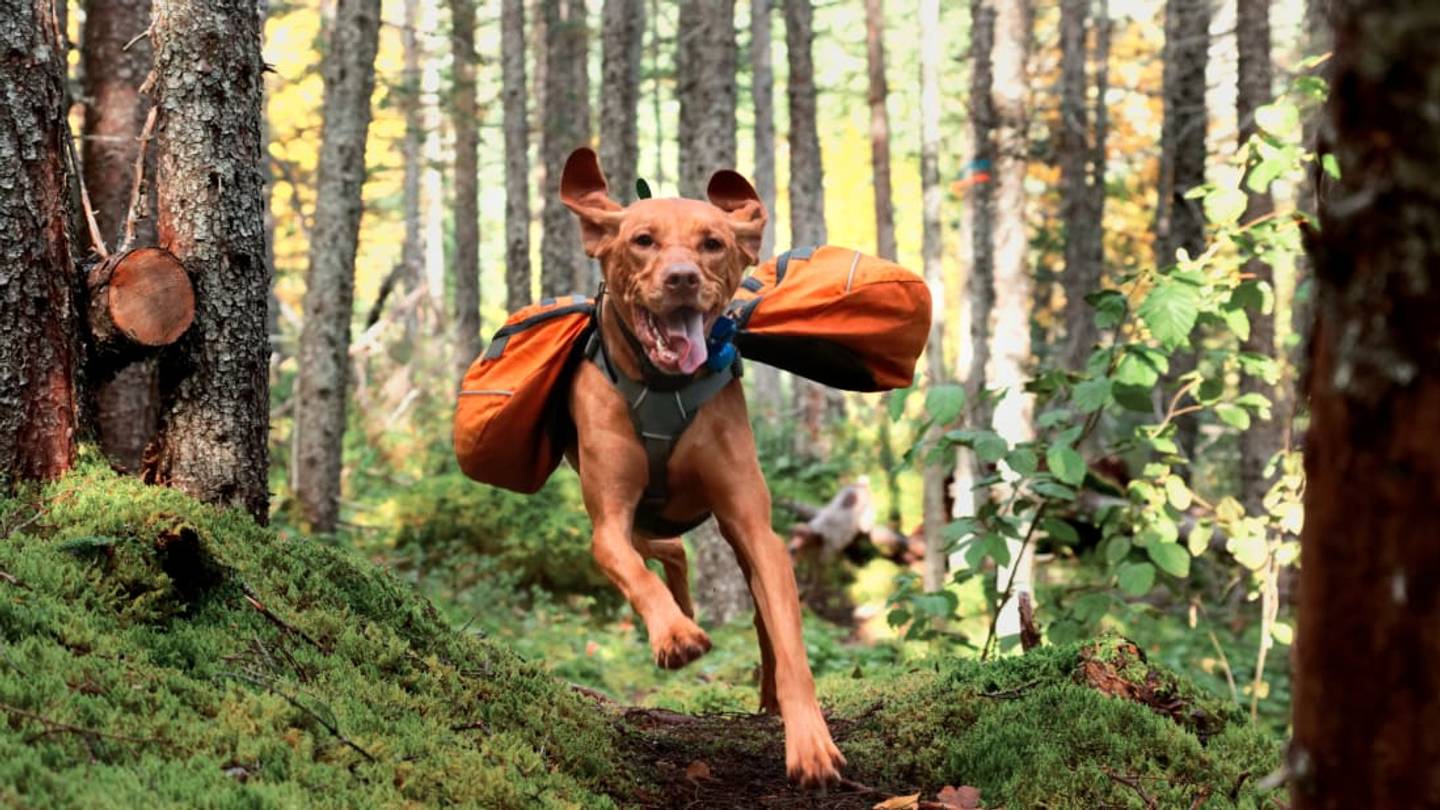
Dogs can identify tainted wine just by sniffing it, and now shelter dogs' incredible olfactory skills are being put to work for wildlife conservation.
Shelter dogs with endless energy might not make ideal pets, but Samuel Wasser, director of the Center for Conservation Biology at the University of Washington, gives them a new purpose in the center's Conservation Canines program. Wasser and his colleagues train high-energy and obsessively focused dogs to seek out the scatâa.k.a. poop âof threatened and endangered wildlife. Dogs are 153 percent more accurate than humans in detecting scat by smell, and through the program, the dogs have identified scat from tigers, orcas, spotted owls, bears, and Pacific pocket mice. The dogs hone their skills in Washington State's 4300-acre Pack Forest.
Their work isn't limited to land animals. Since 2006, Wasser and researcher Deborah Giles have studied the endangered southern resident orcas around the San Juan Islands in Washington with the help of the conservation canines. Gilesâs rescue dog, Eba, goes out on the boat with researchers and locates orca scat in the waterâa scent usually undetectable to humans, KCPQ.com reports. From collected samples of whale poop, Wasser and Giles can tell if the donor animal is pregnant, if itâs getting enough food, and if it's diseased. The sample's chemical composition can paint an entire portrait of the animalâs health. âIf you donât collect data, you donât know whatâs going on,â Wasser told KCPQ.com.
The canines' incredible sense of smell is one key to understanding orcas and other species. And when it comes to saving these threatened animals, humans need all the help they can get.
Loading recommendations... Please wait while we load personalized content recommendations