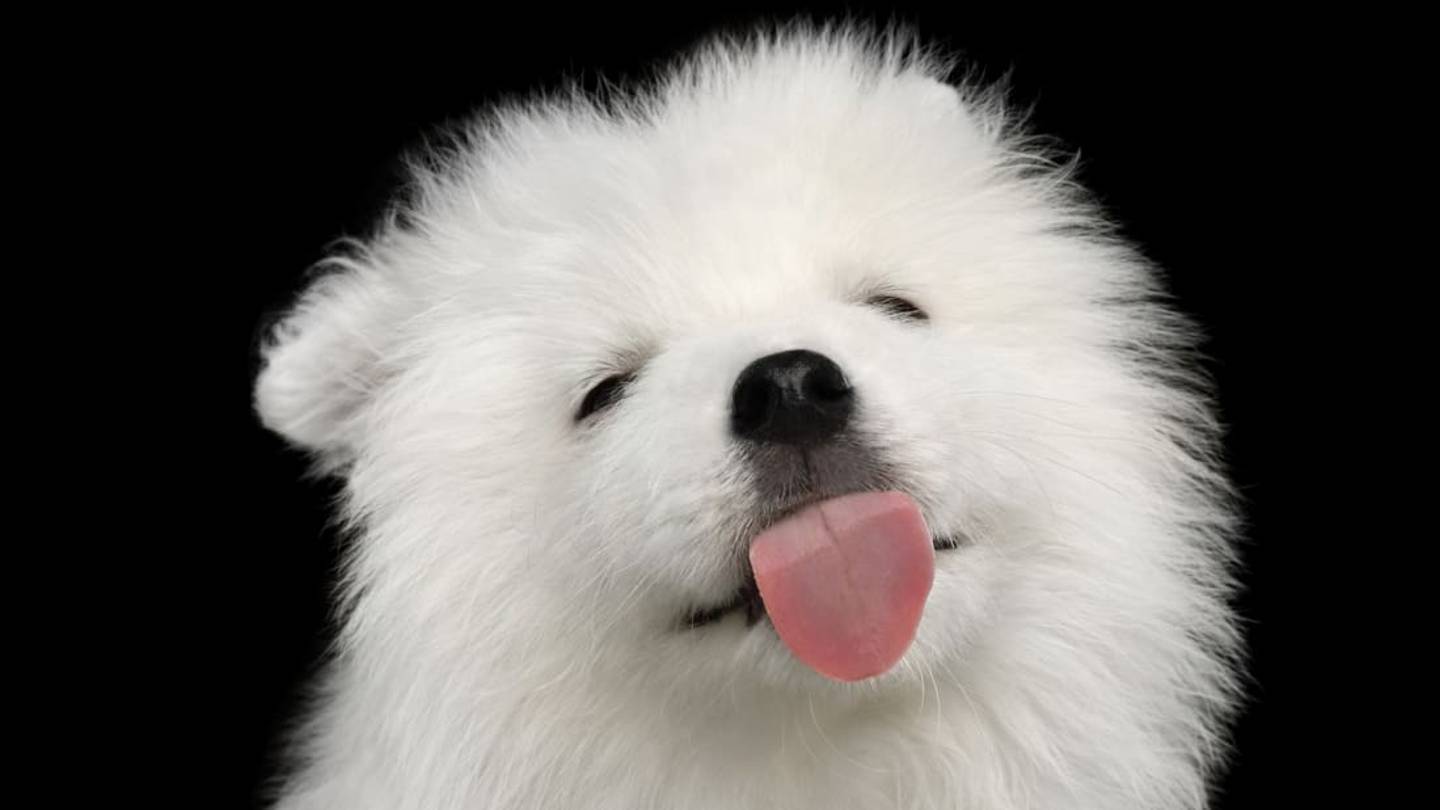
You probably think of your dog as part of the family, but sometimes your canine companion does the most peculiar things. Here are the answers to some of the questions youâve been pondering about your pet.
Dogs lick people and other dogs for a whole variety of reasons. Puppies will lick their mothers or owners as a sign of affection or when asking for food. Once theyâre adults, licking becomes a sign of submission to an authority figure. When your dog licks you, they probably want something, like food or attention. Doggy kisses are also a way for your pet to feel better: Licking releases endorphins that calm and relieve stress.
A common misconception is that your dogâs wet nose is a sign of good health. In reality, the moisture on Fidoâs nose is no indication of their overall well-being. The reason for a dogâs wet nose is a little murkier. One explanation is that dogs repeatedly lick their nose throughout the day to keep it clean. Another is that the moisture helps them cool off. Dogs donât sweat the way humans do, so they pant and let off extra heat through their noses. A special gland in the nose produces a clear fluid that helps them cool down faster.
A dog can smell anywhere from 10,000 to 100,000 times better than the average human. Canines have 300 million olfactory receptors, compared to our measly six million. Moreover, the part of the brain dedicated to smell is 40 times larger in dogs than in humans.
A dogâs nose also works differently than the human nose. While people breathe in and out the same way, canines breathe in through their nostrils and out through the slits found on the sides of the nose. This system circulates air so that the animal is always bringing in new smells. Breeds like the bloodhound also have the advantage of floppy ears that push up new smells.
If you think your dogâs feet smell like popcorn or corn chips, youâre not alone! Dogs have a lot of bacteria and yeast that grow on their paws as a result of moisture that gets caught in the many folds and pockets between their toes. These microorganisms create a variety of smells. The bacteria Proteus or Pseudomonas are the likely parties guilty of giving your houndâs feet that distinct tortilla smell. Thereâs no need to go wash your petâs paws just yet, thoughâa subtle smell is completely normal.
A common myth is that a dogâs mouth is a magically clean place . This is not the case: A canine mouth is brimming with bacteria. Fortunately, a lot of those germs are specific to the species so you donât have to worry when your pup goes in for a wet kiss. That said, there are some similar bacteria, so make sure your pet has up-to-date shots.
Like people, dangerous dogs are on a case-by-case basis. Itâs not fair or accurate to condemn a whole breed as hostile or aggressive. Despite bans on the dogs, pit bulls are no more dangerous than any other large breed. The negative connotation is likely a result of the increase in illegal dog fighting in the 1980s. Pit bulls were not always seen as vicious, though. In the early 20th century, the dogs were an American family favorite. The breed made appearances on television, in movies, and in war propagandaâsome pits even became celebrated war heroes in World War I.
Anyone with two dogs will probably tell you that dogs definitely feel jealousyâand itâs true! A 2014 study confirmed that your pet gets a little miffed when you start petting other dogs on the side.
Subjects in the study were asked to give love and attention to objects while filming their dogâs reactions. The items were a stuffed dog, a jack-o-lantern, and a pop-up book. The participants would give attention to the plush and pumpkin, and then read from the book. Scientists recorded the reactions of the dogs and looked for jealous signs such as pushing the owner or snapping. The study found that dogs displayed many jealous tendencies and made attempts to break the owner away from the rival. They were most threatened by the stuffed dog and least threatened by the book.
Guide dogs are extremely well trained and only go to the bathroom on command . Usually the owner will have a specific spot for the hound and use a command word like, âgo timeâ or, âdo your business,â so theyâll know when to clean up.
For 2019, the most popular dog names are Luna, Bella, Charlie, Bailey, Lucy, and Cooper. If youâre curious about how much dog name trends change, here are some popular ones from Medieval times: Blawnche, Nosewise, Smylfeste, Bragge, Holdfast, Zaphyro, Zalbot, Mopsus, and Mopsulus.
A dogâs tail can tell you a lot about how they are feeling. A loose wag from side to side means the dog feels relaxed and content. More fervent wagging with hip movements means the dog is happy or saying hello to a loved one. If the tail is straight up, it is a sign of confidence or aggression; down and curled between the legs usually means fear or submission.
Just like humans, dogs have a preferred paw . There is an equal chance your pup can be a lefty or righty, so the best way to find out is to perform a series of tests. Watch what paw your dog uses to shake, scratch at the door, or pull toys out from under the couch. Usually a dominant paw will emerge with enough observation.
Dogs get this behavior from their wild ancestors, who didnât have access to doggy beds. Walking in tight circles would push down tall grass and shape it into a bed. The motion would also scare off any bugs and snakes hiding in the vegetation.
The deli product was originally known as a dachshund sausage because it resembled the short-legged hound. How the name switched is up for debate, but some believe the name was shortened to âhot dogâ when a befuddled cartoonist could not spell the original name.
Dogs sniff rear ends as their way of asking, âWho are you and how have you been?â Canines can find out a whole slew of information from just a whiff. The secretions released by glands in the rump tell other animals things like the dogâs gender, diet, and mood. Itâs sort of like talking with chemicals.
Possibly , but dogs are great actors. A study asked dog owners to place a treat in front of their dogs, tell them not to eat it, and then walk away. In some trials, the dogs were scolded regardless of whether they had eaten the treat or not; in other trials, they were not scolded at all. The results showed that the dogs always looked guilty when scolded, but dogs that werenât reprimanded for bad behavior made no face at all. The expression seemed to be a way to appease their owners. So when your pet flashes you those big puppy eyes, they may just be faking it to get out of trouble.
Loading recommendations... Please wait while we load personalized content recommendations