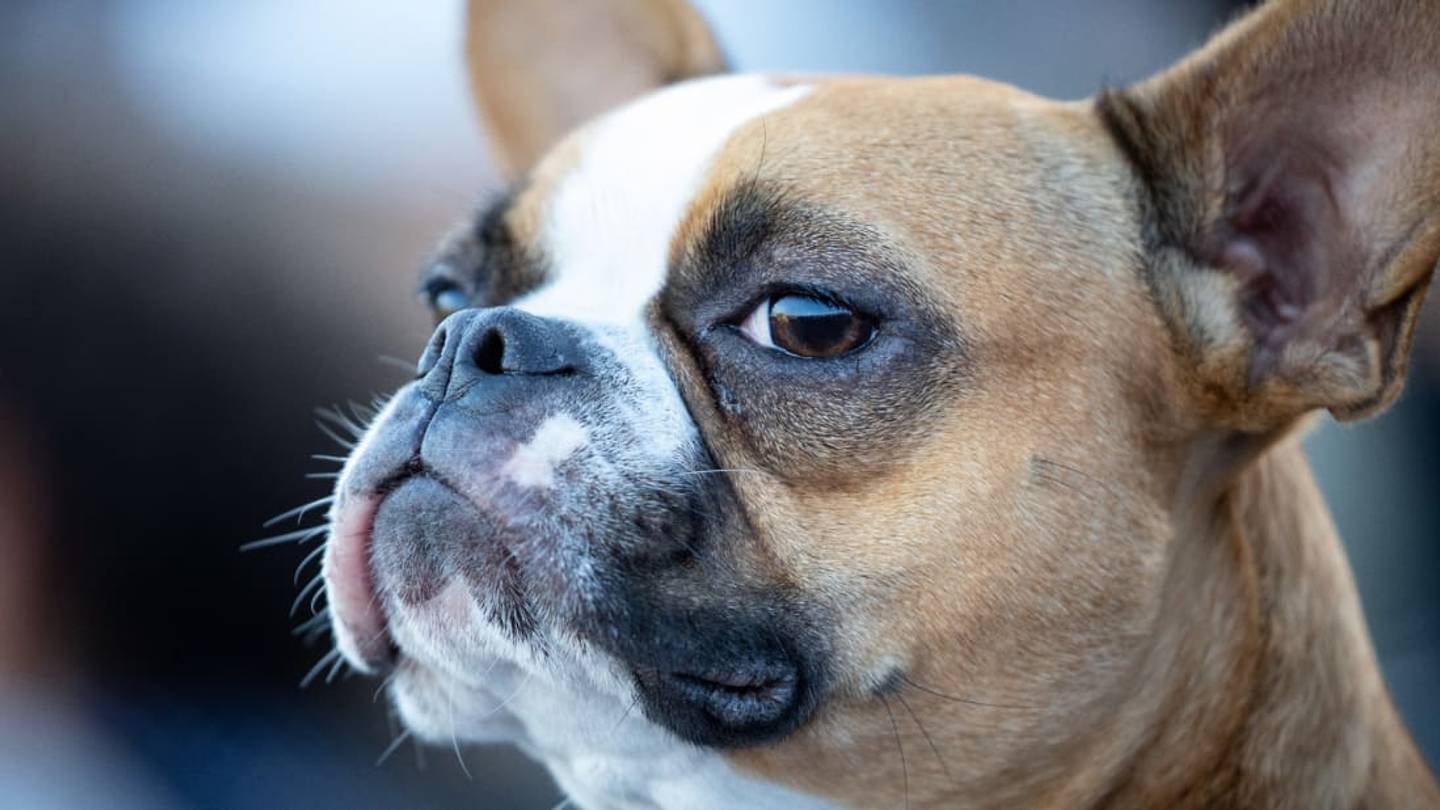
Pet owners tend to learn a lot about dog and cat anatomy, like why a dogâs paws often smell like popcorn or why cats puff up their tail when agitated. Depending on the breed, an ear-scratching session might prompt them to wonder why some dogs have a small pocket at the corner of their ear.
Itâs called a cutaneous marginal pouch , or a Henryâs pocket , and there are a few reasons your dog may be sporting this puzzling feature.
Itâs possible the pocket helps with hearing. The pouch may be able to help dogs pick up on higher-pitched sounds by attenuating lower pitches. Essentially, Henryâs pocket can aid in your dog bouncing off the walls when they hear a siren .
The pocket might also assist in a dogâs overall auditory experience, opening up when a dog angles their ears or perhaps blocking sounds if they move their ears.
By having so much control over their ears, dogs can efficiently inhabit their role as a predator. More accurate sound detection means finding prey, while moving the ear independently of their body means they can head in one direction while listening for activity in another.
Henryâs pocket might also be a mechanical feature, with the fold allowing a dog to more easily flatten their ears.
The pocket is more common in some breeds, especially if theyâre short-haired or have erect ears. Chihuahuas , Boston terriers , pugs , and corgis can sport them.
Like any skin fold, Henryâs pocket can collect bacteria and assorted goop, so you may be best served by taking a look at it every now and then to make sure thereâs no irritation, ticks, or fleas. While only some dogs have Henryâs pocket, most cats do, and likely for the same reasons. So do foxes and bats .
The identity of the first person to identify and name the pocketâaside from the fact it was probably a guy named Henryâis a mystery.
Loading recommendations... Please wait while we load personalized content recommendations