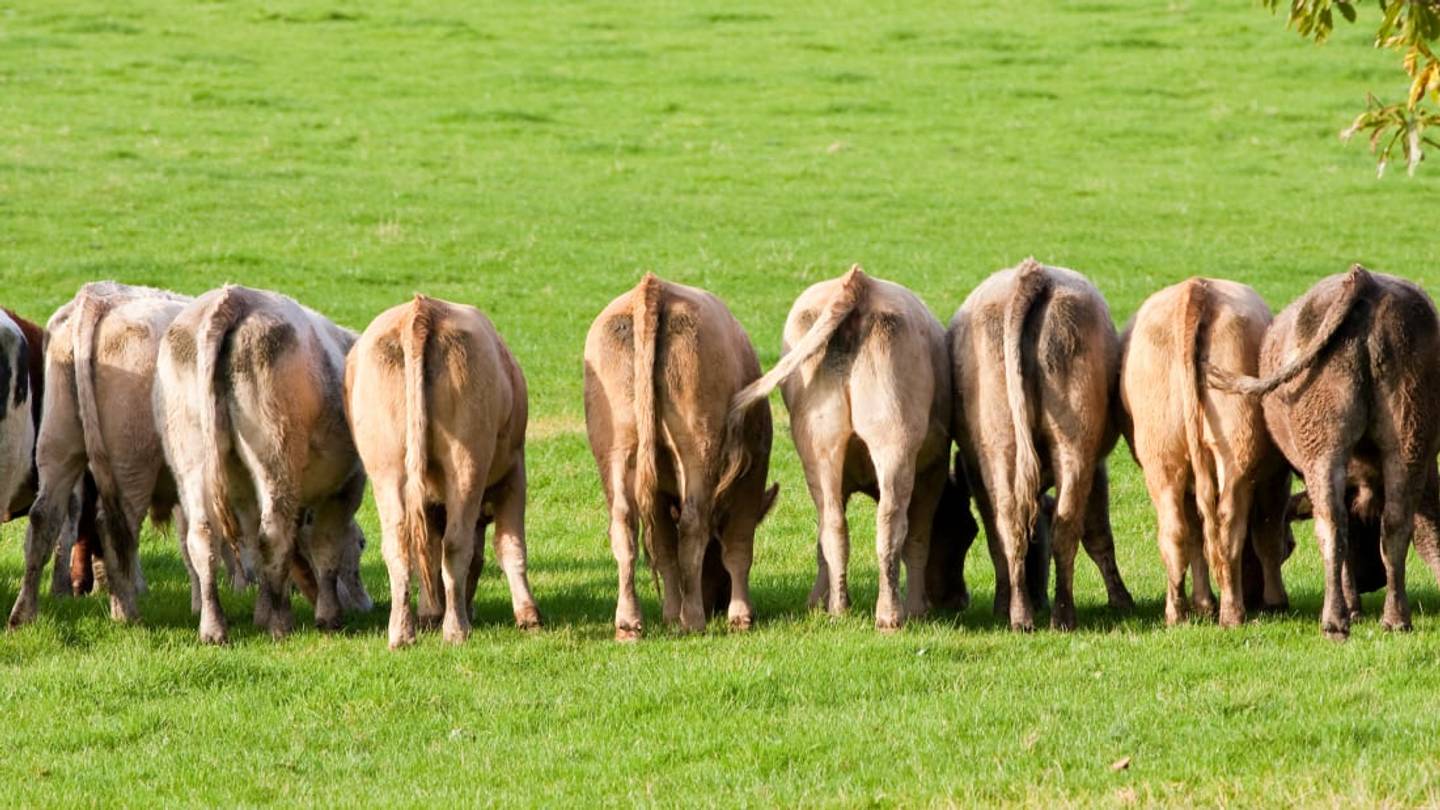
Anyone whoâs had a pet can testify that dogs and cats occasionally get gassy, letting rip noxious farts and then innocently looking up as if to say âWho, me?â You may not have considered the full breadth of animal life passing gas in the world, thoughâand not just mammals. In a new book, ecologist Nick Caruso and zoologist Dani Rabaiotti detail the farting habits (or lack thereof) of 80 different animals. Here are seven weird animal farting facts we learned from Does It Fart? .
The diet of the Bolson pupfish, a freshwater fish found in northern Mexico, can lead to dangerous levels of gas. The pupfish feeds on algae, and it can inadvertently eat the gas bubbles that algae produces in warm temperatures. The air inflates the fishâs intestines and distends its belly, messing with its equilibrium and making it difficult to swim. Even if it tries to bury itself in sediment at the bottom of a pool, as Bolson pupfish are wont to do, the air causes the fish to rise to the surface, where itâs at risk of being eaten by a bird. If the fish doesnât fart, it will likely die, either from predation or because its intestines rupture under the pressure of the trapped gas.
The Bolson pupfish isn't the only animal that needs healthy farts to maneuver underwater. Buoyancy is vital for swimming manatees, and they rely on digestive gas to keep them afloat. The West Indian manatee has pouches in its intestines where it can store farty gasses. When they have a lot of gas stored up, theyâre naturally more buoyant, floating to the surface of the water. When they fart out that gas, they sink. Unfortunately, that means that a manateeâs ability to fart is vital to its well-being. When a manatee is constipated and canât pass gas properly, it can lose the ability to swim properly and end up floating around with its tail above its head.
Theyâre not as bad as cars or cows , but termites fart a lot, and because they are so numerous, that results in a lot of methane. Each termite only lets rip about half a microgram of methane gas a day, but every termite colony is made up of millions of individuals, and termites live all over the world. All told, the insects produce somewhere between 5 and 19 percent of global methane emissions per year.
Ferrets are quite the fart machines. They not only let âem rip while poopingâwhich they do every few hours on a normal dayâbut they get particularly gassy when theyâre stressed. The pungent smells are often news to their creators, though. According to the book, âowners often report a confused look on their petâs face in the direction of their backside after they audibly pass gas.â And you don't want your ferret to get really scared: Their fear response involves screaming, puffing up, and simultaneous farting and pooping.
A winged insect known as the beaded lacewing carries a powerful weapon within its butt, what Caruso and Rabaiotti call âone of the very few genuinely fatal farts known to science.â As a hunting strategy, Lomamyia latipennis larvae release a potent fart containing the chemical allomone, paralyzing and killing their termite prey.
As befits their size, whales produce some of biggest farts on the planet. A blue whaleâs digestive system can hold up to a ton of food in its multiple stomach chambers, and there are plenty of bacteria in that system waiting to break that food down. This, of course, leads to farts. While not many whale farts have been caught on camera, scientists have witnessed themâand report them to be âincredibly pungent,â as Rabaiotti and Caruso tell it.
Octopuses donât fart, nor do other sea creatures like soft-shell clams or sea anemones. Birds donât, either. Meanwhile, sloths may be the only mammal that doesnât fart, according to the book (although the case for bat farts is pretty tenuous). Having a belly full of trapped gas is dangerous for a sloth. If things are working normally, the methane produced by their gut bacteria is absorbed into their bloodstream and eventually breathed out.
The woodlouse has an odd way of getting rid of gas, too, though itâs technically not flatulence. Instead of peeing, woodlice excrete ammonia through their exoskeleton, with bursts of these full-body âfartsâ lasting up to an hour at a time.
Does It Fart? is available for $15 from Amazon or Barnes & Noble .
Loading recommendations... Please wait while we load personalized content recommendations