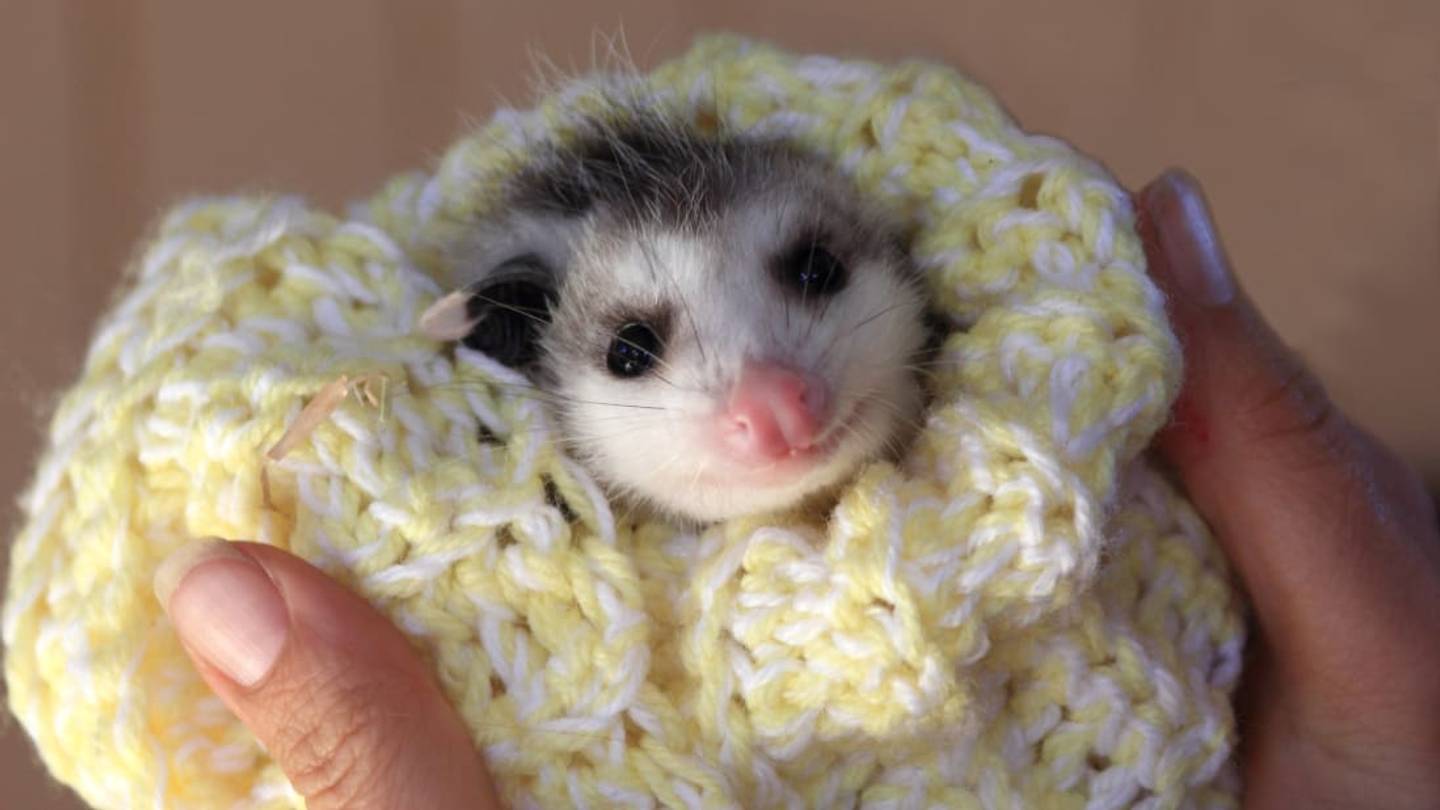
Tubes of mascara arenât just good for giving you long, Elizabeth Taylor -esque eyelashes. Theyâre also good for wildlife. As Popular Science reports, a nonprofit wildlife center in western North Carolina uses recycled mascara wands to help rehabilitate small animals that have been injured or orphaned.
Appalachian Wildlife Refuge runs an âemergency roomâ of sorts where animals can receive urgent care from trained professionals. One of the tools they typically have on hand is a mascara brush, because itâs surprisingly effective at cleaning animals. âIt works miracles,â wildlife rehabber Janice Burleson tells Popular Science , adding that itâs more efficient than a lice or flea comb.
For #NationalNursesDay , a look at how resourceful volunteer wildlife nurses are using household items to help their furry patients: Old mascara wands are saving adorable Appalachian animals https://t.co/UkgCSyKit2 pic.twitter.com/DUzV5GmtXE
Please do NOT throw away your mascara wands. Instead, clean it with dawn liquid soap, place them in a ziploc bag and mail them to: Appalachian Wildlife Refuge P.O. Box 1211 Skyland NC 28776 These little wands work great for medical care and wound treatment #WandsforWildlife pic.twitter.com/m5I6kqhCBM
The bristles of a mascara wand are not only soft, but theyâre also positioned in such a way that fly eggs, larvae, and mites can be easily plucked from a small animalâs fur. The center has received more than 50,000 used mascara brushes, and theyâve been used to treat everything from turtles to squirrels to baby opossums . For squirrels in particular, the grooming process seems to calm and soothe them.
The refuge center is still accepting used (and washed) mascara brushes, but it said there's a much greater need for monetary donations and other supplies. âWith so many wands coming in, we are asking people to please provide support through a donation or purchase of food and supplies from the wishlist ,â the organization writes on its website . Staff are now working on setting up partnerships with other rehabilitation centers in order to redistribute the wands to other areas where they're needed. Some have been sent to Massachusetts, while others have even ended up in Zimbabwe.
[h/t Popular Science ]
Loading recommendations... Please wait while we load personalized content recommendations