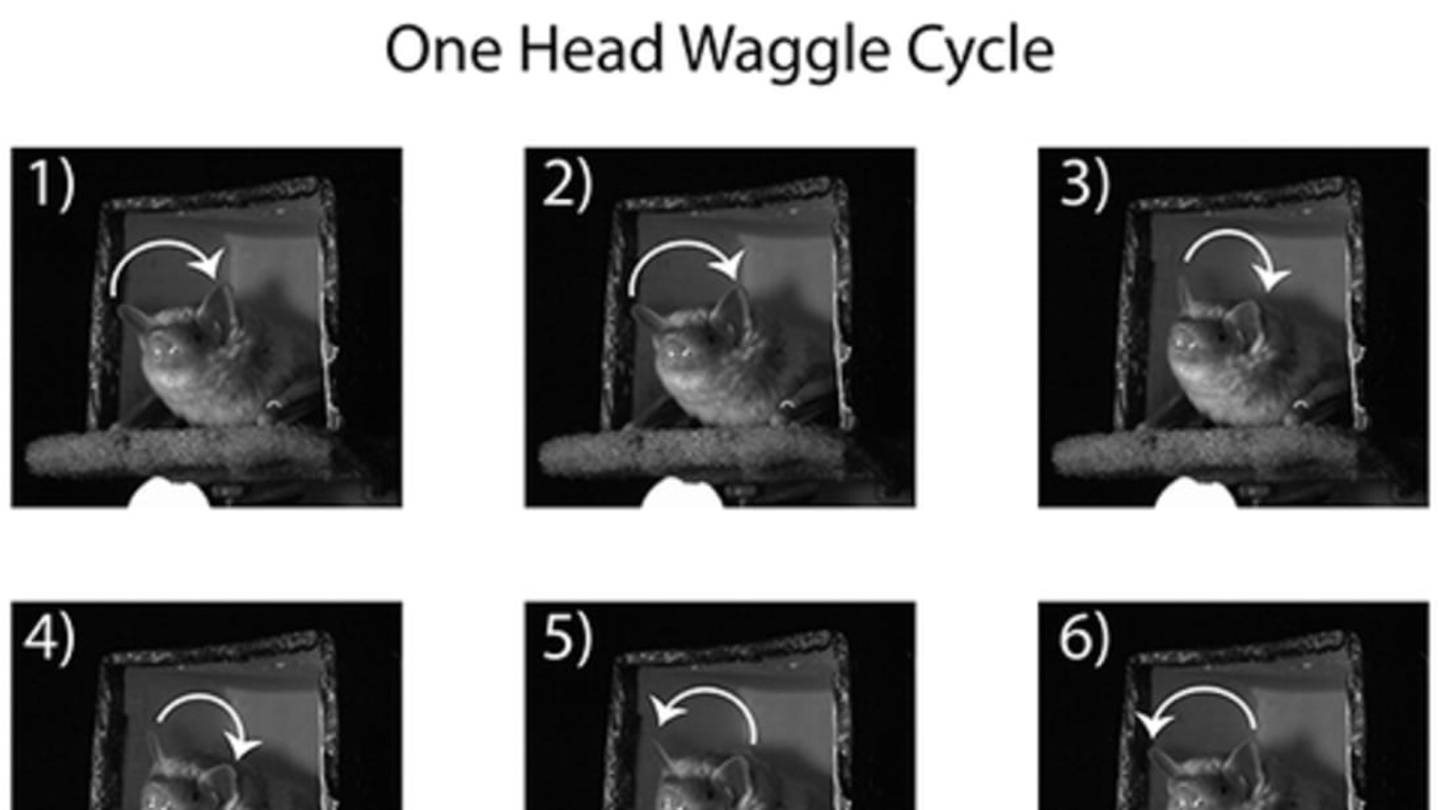
Bats are some of the most misunderstood creatures on Earth. Their âagents of darkness and evilâ persona really could not be further from the truth. These fuzzy mammals are social, clever, and helpful. They also need our help . Fortunately, new research may help boost their public appeal a little bit: researchers say some bats cock their heads adorably like dogs while hunting. The report was published in the journal PLOS Biology .
Neuroscientist Melville Wohlgemuth is a postdoctoral researcher at Johns Hopkins University. Heâs also a pug owner, and has become well acquainted with his little dogâs endearing quirks, including the quintessential quizzical head tilt, demonstrated here:
The purpose of this behavior in dogs is somewhat disputed . Some canine behaviorists say the cuter-than-cute head tilt is, like that â I love you, please feed me â expression, a form of manipulation. (How could you say no to that face?) But others believe our puppiesâ motives are pure, and that theyâre simply pushing one ear closer to the source of the sound to listen more closely. Either way, it works.
Bats, on the other hand, have no reason to sucker humans into fetching them food. They can catch their own dinner. So when Wohlgemuth caught a glimpse of big brown bats (Eptesicus fuscus) tilting their heads, too, he wondered why.
Wohlgemuth and his colleagues brought in three wild bats and trained them to sit on a platform and track a moving target (mealworms on fishing line) using echolocation . The researchers surrounded the miniature bug-hunting range with cameras and two ultrasonic microphonesâone by the batâs platform and one near the targetâand stuck reflective markers on the batsâ ears and the tops of their heads to make them easier to see.Â
You can see it pretty well in the video here: The bats turned their heads while listening for their chirps to bounce back. Comparing audio and video recordings of the experiment confirmed the idea that theyâre using what the researchers call âactive sensingââthat is, moving their bodies to amplify their senses.
Co-author Cynthia Moss is also a neuroscientist at Johns Hopkins. She says the findings have implications well beyond the rehabilitation of the bat brand. Dogs, cats, and humans all tilt their heads while listening, yet much of the research on animal sensing abilities requires test subjects to hold their heads still. Head and ear positioning may join the ever-growing list of variables our experiments have failed to consider.Â
Know of something you think we should cover? Email us at [email protected] .
Loading recommendations... Please wait while we load personalized content recommendations