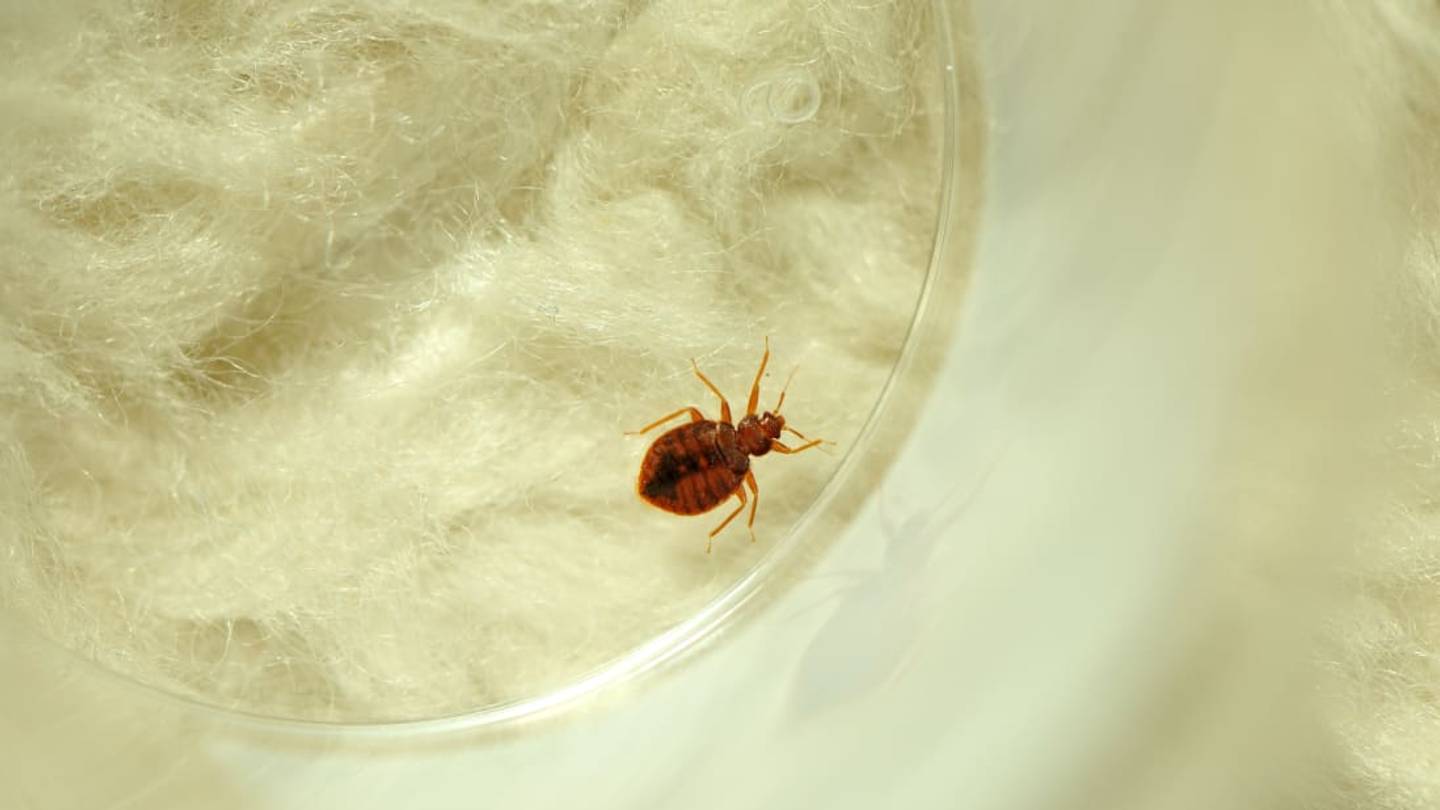
No one would blame you for being afraid of bed bugs: They infest our most private spaces and feed on us when weâre vulnerable. But once you dispel the common myths surrounding the insects, they suddenly seem a lot less scary. Hereâs what you need to know about how dangerous bed bugs really are, where they like to hide, and the best ways to get rid of them.
If you have a bedbug infestation, youâll feel itchy, have trouble sleeping, or develop an allergic reaction to the bites. The psychological toll bed bugs take on people is also a real issue: Research has found that itâs common for people living with bed bugs to experience anxiety, depression, and paranoia. But compared to other blood-suckers like ticks and mosquitoes, bed bugs arenât dangerous âthey aren't known to spread any diseases to humans.
If youâve examined every inch of your mattress and still canât find any unwelcome insect guests, you can relax a little bit: You would have likely seen any bed bugs that were lurking in the fibers (unless they're hiding somewhere ... more on that in a bit). Itâs true that bed bugs are smallâabout the size of an apple seedâbut theyâre not so small that itâs impossible to see them with the naked eye. Theyâre normally flat, but when theyâre engorged theyâre even easier to spot. âWhen they are fed they look plump, like little sausages,â Virna Stillwaugh, an entomologist and pest control specialist who researched bed bugs at North Carolina State University, tells Mental Floss. But experts caution that bed bugs are difficult to distinguish from many other insects, so itâs best to get an expert for a positive identification.
The bed bug's namesake may be its creepiest hangout spot, but it isnât the only place they're likely to lurk. They can be found in the folds of curtains and laundry and the seams of couches and chairs. Their hiding place doesnât even need to be fabric: Theyâve been known to settle into drawers, wallpaper, electrical outlets, and even the heads of screws. Itâs for this reason that any kind of free furniture, not just beds, you see out on the street should almost always be left alone.
Keeping your lights on all night wonât stop the bed bugs from biting. As long as the little pests are hungry, theyâll crawl out of their hiding places to feed, no matter how bright it is in your bedroom. The myth that bed bugs donât like light may have originated from the fact that theyâre nocturnal, and therefore more active at night. Donât use this as an excuse to change your sleeping schedule, however, as they can bite at anytime.
Donât depend on a telltale bite mark to alert you to the presence of bed bugs. People react differently to bed bug bites : They can come in various sizes, include irritated rashes, or produce no rash at all. A cluster of red marks where multiple bugs were biting exposed skin is one common sign to look out for, though the evidence isnât always this obvious. Some bites donât leave a mark or leave one thatâs barely visible, allowing the parasites to feed discreetly for days.
One especially misguided myth suggests using rubbing alcohol as a DIY bed bug control method. But it turns out this isnât very effective: In one bed bug study, rubbing alcohol only killed half of its intended targets. And on top of that, dousing your furniture in rubbing alcohol also turns it into a fire hazard. People employing this tactic have started several house fires in the U.S. over the last decade.
Unless youâre an exterminator, never try getting rid of bed bugs on your own. Bed bugs are starting to develop resistance to certain pesticides, so even blasting them with harsh chemicals you bought from the store may not be enough to stop them. It usually takes a combination of factors, including heat and fumigation, to completely rid an infested home of bed bugs. âThis is one of the things thatâs not do-it-yourself,â Stillwaugh says. âItâs best left to professionals.â
Bed bugs are are often associated with dirty places, but in reality they couldn't care less about the cleanliness of your home: What theyâre really looking for is heat and carbon dioxide, something every human being emits regardless of how they live. âBed bugs have been found everywhere from high-end hotels to apartments and shelters,â Stillwaugh says. It is true that bed bugs have an easier time infesting disorganized homes, but thatâs because the clutter gives them more places to hide and not because theyâre attracted to filth.
Good news: Outside of your nightmares, bed bugs canât fly . The tiny insects have no wings with which to swoop down upon their victims. Theyâre also incapable of jumping great distancesâunlike their fellow parasite, the flea. If they want to get somewhere, they have to crawl there.
Loading recommendations... Please wait while we load personalized content recommendations