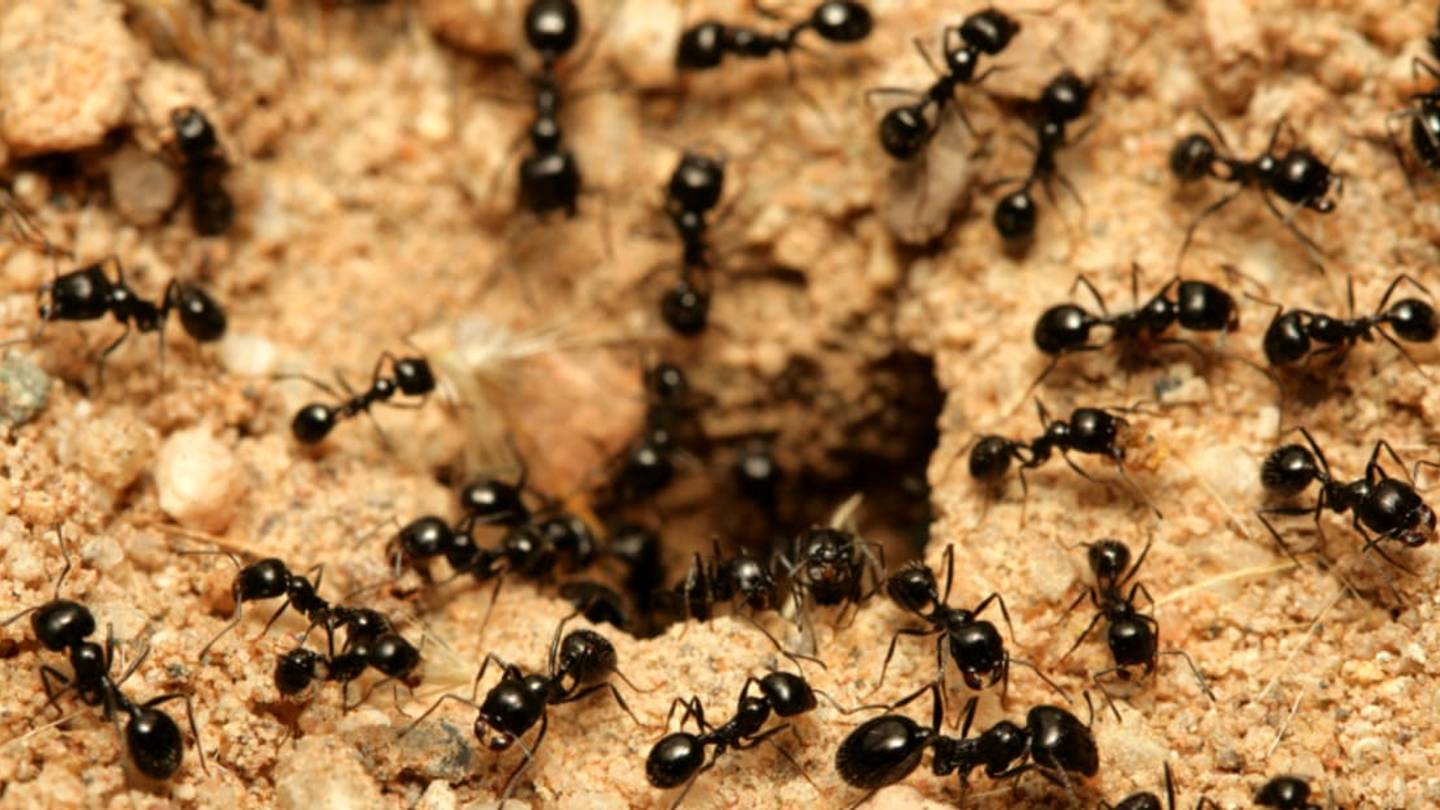
An ant colony is great place to live, even ifâor maybe especially ifâyouâre not an ant. It is, Italian zoologist Andrea Di Giulio says, âa heavily guarded, nearly impenetrable fortress rich with bountiful resources.â It provides shelter, food free for the taking, and its own highly-motivated, round-the-clock security force. And thereâs the rub: If youâre not an ant, youâre likely not going to get past the bouncers and into the nestâand even if you do, chances are youâll soon be discovered, attacked, and, Di Giulio says, âdismantled.â
Yet, the aptly-named ant nest beetles live their whole lives safe and sound inside ant colonies. Whatâs more, they have free run of the place. They can go into any part of the nest they want, eat the antsâ food, interact with the queen and even kill and eat the ants without ever raising an eyebrow. Not even the ants that the beetles attack fight back or give any sign that something is amiss with the arrangement. This is because, Di Giulio and his research team found , the beetles are little polyglots and can mimic the antsâ different communication methods.Â
Plenty of other animalsâfrom frogs  to silverfish to butterfliesâhave found ways to slip into ant nests and live the high life there. Most of them do this by hacking their hostsâ chemical communication system, and coat themselves in the same compounds that the ants use to recognize and identify each other. The beetles use this type of chemical disguise, too, but thatâs not the only truck up their sleeves. It turns out they can also mimic the antsâ âspoken language.âÂ
In addition to chemical signals, ants communicate with sound by scraping specialized parts of their abdomens against each other to produce low-frequency âchirps.â Working with ant nest beetles and their Pheidole pallidula ant hosts in Morocco, Di Giulio and his team found that all three castesâthe queens, workers and soldiersâof this ant species produce their own distinct sounds, and the beetles can reproduce all of them. The intruders not only fake the antsâ chemical IDs, but can also âspeakâ the different âlanguagesâ they use.
This sophisticated masquerade lets the beetles move freely around the nest to eat and mingle with other beetles while fooling ants from different castes they might bump into. By mimicking the queenâs sounds, they also get special perks. When the researchers played recordings of the beetlesâ queenly chirps to worker ants, they moved into same âguardingâ positions they used with the true queen and touched the speaker with their antennae. The team thinks that impersonating royalty might elevate the beetles to the same social status in the colony, getting them access to VIP areas of the nest, special care from the workers and protection from any other intruders or predators that might try to get into the colony.
Loading recommendations... Please wait while we load personalized content recommendations