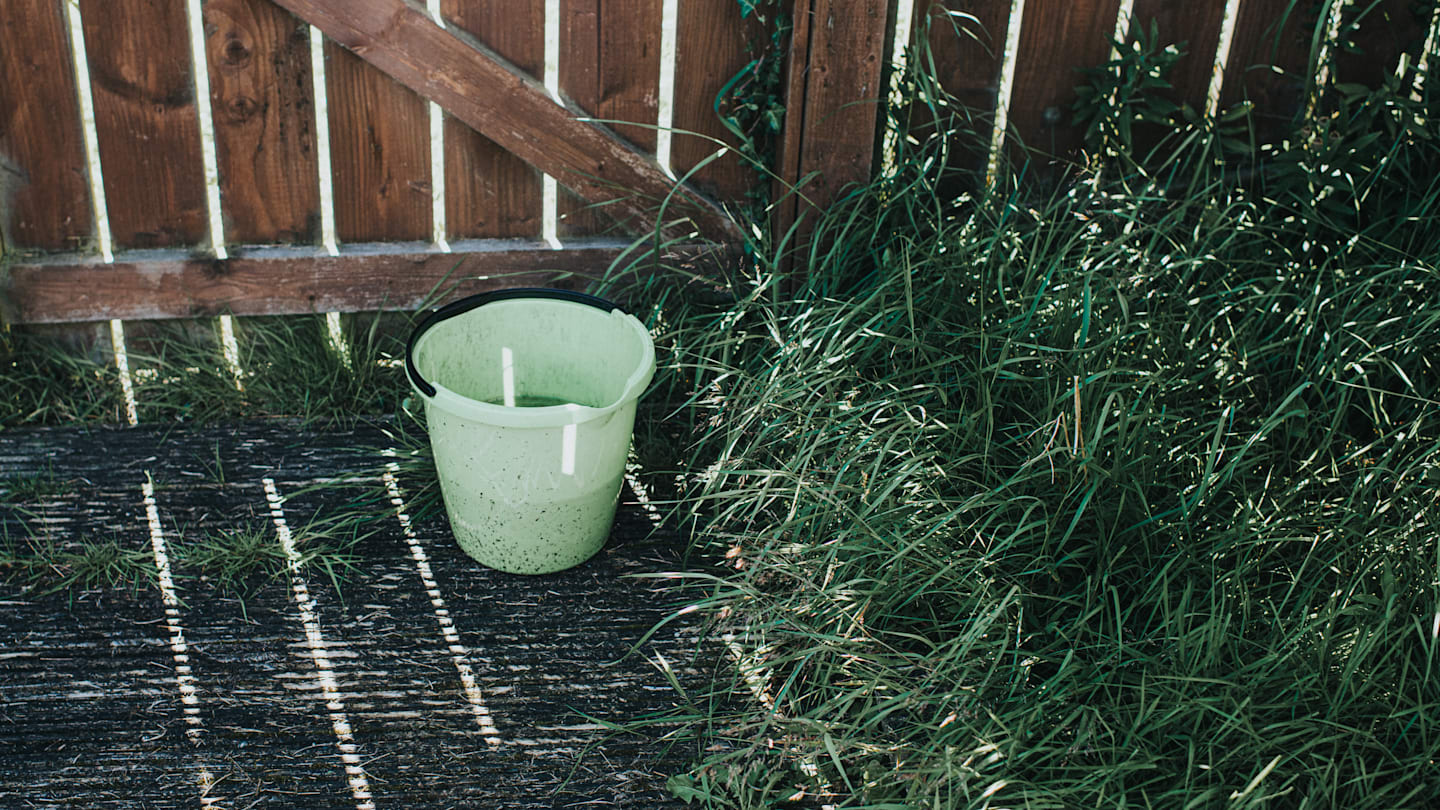
If youâve been on social media recently, chances are youâve seen the viral âbucket of doomâ technique thatâs being widely shared as a means of ridding your garden of mosquitoes this summer. But like many online hacks, this technique might not be quite as reliable (or as safe) as it might appear.
Many species of mosquito lay their eggs in stagnant water, and the âbucket of doomâ hack works by providing them with precisely the environment they need to reproduce.
First, a plastic five-gallon tub is filled with water, grass cuttings, leaf litter, weeds, and other garden detritus to replicate the murky pool of water that a female mosquito might find enticing. Then, mesh or chicken wire can be placed over the bucketâor a few holes drilled into its lidâwhich allows adult mosquitoes inside while preventing birds and other small animals from falling in.
The final touch is adding a pellet of âmosquito dunk,â or mosquito granules, to the water. This dissolvable insecticide contains a natural bacterium called Bacillus thuringiensis israelensis , or Bti. The bacteria in the water kill off larvae before they have a chance to turn into biting adults. Keeping a handful of these buckets around your garden is therefore touted as an easy method of controlling mosquito numbers, and a cheaper (and less ecologically destructive) alternative to pest control sprays or misting the entire garden with clouds of insecticide.
Thankfully, the problems with this hack donât involve Bti. Bti is found naturally in soil and isnât harmful to humans, birds, animals, fish, and household pets, or to helpful back yard critters like bees and butterflies [ PDF ].
The bacterial spores are toxic to mosquitoes and their larvae (as well as other garden pests, like blackfly), though: When they ingest them, the toxins inside the spores work to dissolve the larvaeâs gut lining, causing them to perish within a matter of days.
Mosquito dunks are biodegradable too, so according to experts , theyâre safe not just for a âbucket of doomâ but for any unmoving body of water around the gardenâincluding ponds, rainwater barrels, and even birdbaths.
There are several flaws in the âbucket of doomâ hack, according to entomologists and gardeners.
From a bug-reducing point of view, itâs important to note that some mosquitoes donât lay their eggs in water but instead deposit eggs close to a water source, in wet soil , or in damp tree bark. Even those that do use stagnant water typically wonât lay all their eggs in the same place, but instead lay several different batches of eggs in multiple locations. So the bucket of doom might only prove effective on a relatively small portion of a female mosquitoâs potential offspring.
Mosquito dunks also only affect mosquito larvae, not the adult insects, so bugs that are already flying around will be free to continue annoying and biting you (and potentially spreading disease). To kill those, look at getting a pest control spray, or be patient and wait for the adults to die off naturally: Depending on conditions, adult mosquitos typically have a lifespan of a few days to a month or so. Lifehacker also suggests setting up a box fan to keep mosquitoesâwhich are not great fliersâaway from you when youâre outside.
Then thereâs the fact that the buckets have their own lifespan. Although a mosquito dunk will usually work for around 30 days, it can lose some of the effectiveness over time, especially if the water is in direct sunlight or temperatures outside climb too high. In certain conditions, in fact, mosquito dunks might only remain functional for a week or so. With no way of telling whether yours is still functional, you might well end up worsening your mosquito problem (or throwing away a perfectly serviceable bucketful of doom!).
Lastly, having open buckets of stagnant water lying around the garden is not only unsightly, but is potentially dangerous to small kids, pets, and wildlife. Animals like squirrels or mice can easily become tangled in the mesh or netting thatâs sometimes used to cover the buckets, or they can easily fall in to a bucket thatâs kept open. ( Leaning a stick into an open bucket to act as an escape ramp is at least one way of keeping small mammals safe.)
Even if youâre careful, though, youâre still going to have to clean the buckets when mosquito season is over, which will hardly be the most pleasant of garden chores.
In short, buckets of doom have their pros and cons. Theyâre certainly a cheaper and more natural alternative to many other mosquito-killing options, but whether theyâre worth the effort, the unsightliness, and the potential risks is something youâll have to decide.
Discover More Stories in Live Smarter: