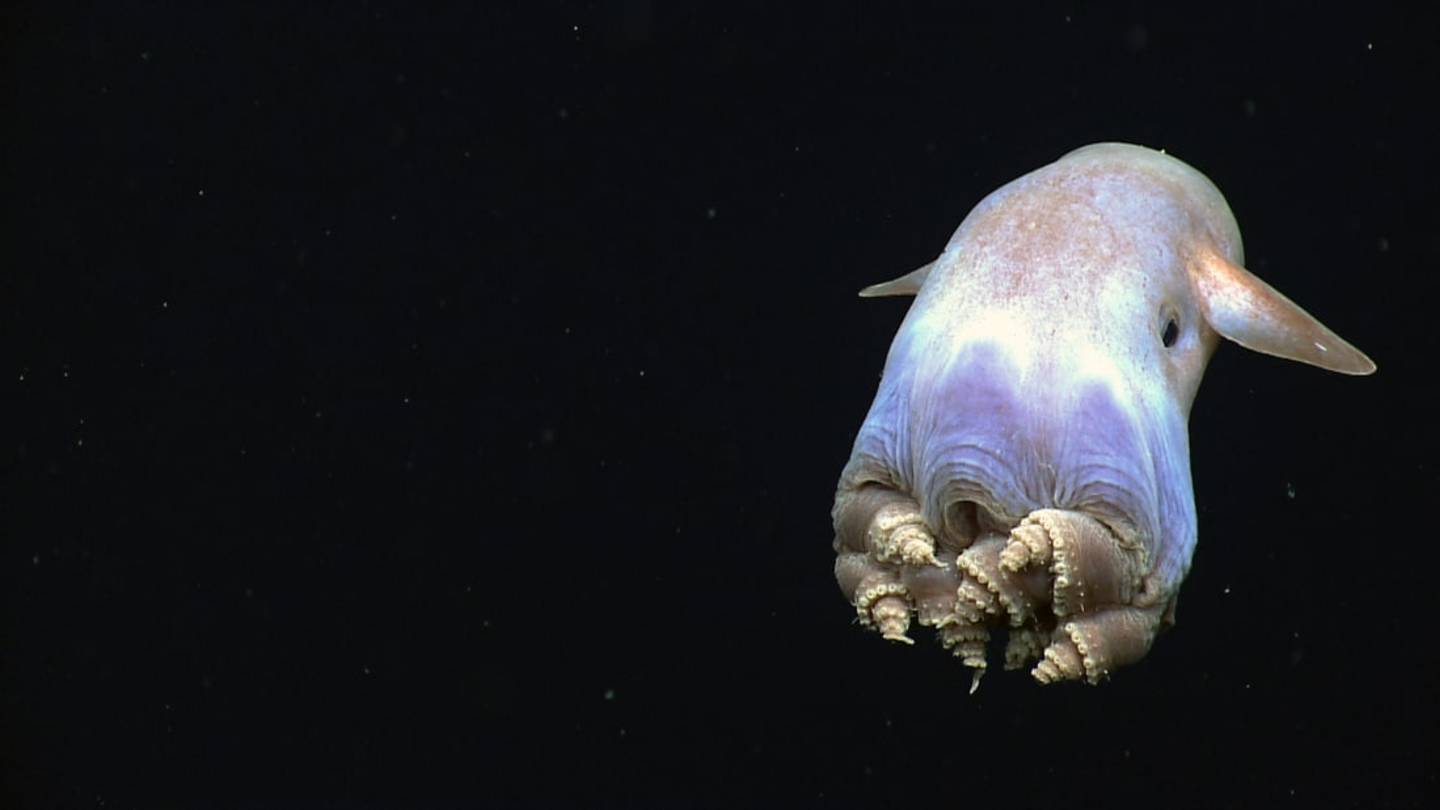
The octopus is an animal with a seemingly endless amount of weird and wonderful traits, all the way down to its DNA. A new report published in the journal Cell has revealed yet another bizarre facet of cephalopod biology: the way they update their genes.
Coeloid cephalopods (thatâs octopuses, squid, and cuttlefish ) have evolved some truly mind-boggling abilities, from Houdini-like escape to crafting makeshift hunting blinds . They lack the standard optical equipment for color vision, yet scientists believe they can see in color anyway. And where warming waters have weakened other species, cephalopods populations appear to be booming .
The original cephalopod ancestor did not have all these traits. Their unique gifts, like ours, are the result of millions of years of evolution.
Animal evolution works like this: the genetic code of every member of a species is almost identical, but not quite. Each individual has a few DNA mutations that make it unique. When those mutations are advantageous in the environment, their owners will survive, reproduce, and pass the mutated DNA down to the next generation.
We also make changes to our RNA, but these are so scarceâin humans, just a few dozen sites amid roughly 20,000 genesâthat their influence is relatively small.
But our rubbery-armed friends have apparently turned this system on its head. Researchers reviewing coeloid genomes say the cephalopods have evolved mostly through small, fluid changes to their RNA, and that their DNA doesnât look like itâs been updated much at all.
The scientists found that around 11,000 of a squidâs 20,000 genes code for mutable RNA. Octopuses and cuttlefish genetics showed similar ratios, especially in the genes associated with their super-amazing, super-complex nervous systems. Nautiluses, those simpletons of the cephalopod family, looked more like us.
Liscovitch-Brauer et al. 2017 . Cell.
Neurobiologist Clifton Ragdale of the University of Chicago was unaffiliated with the research but has worked on cephalopod genetics in the past. Speaking with Scientific American , he said the animalsâ bizarro evolution scheme essentially represents âan alternative engine for cephalopod evolution.â
Ragsdale noted that scientists use DNA changes, not RNA, when determining evolutionary history. âThis may mean that our molecular clock estimates of when different cephalopod lineages arose and diverged might be too recent. The Nobel Prizeâwinning biologist Sydney Brenner once said that octopi were the first intelligent beings on Earth. This could prove he was right.â
Loading recommendations... Please wait while we load personalized content recommendations