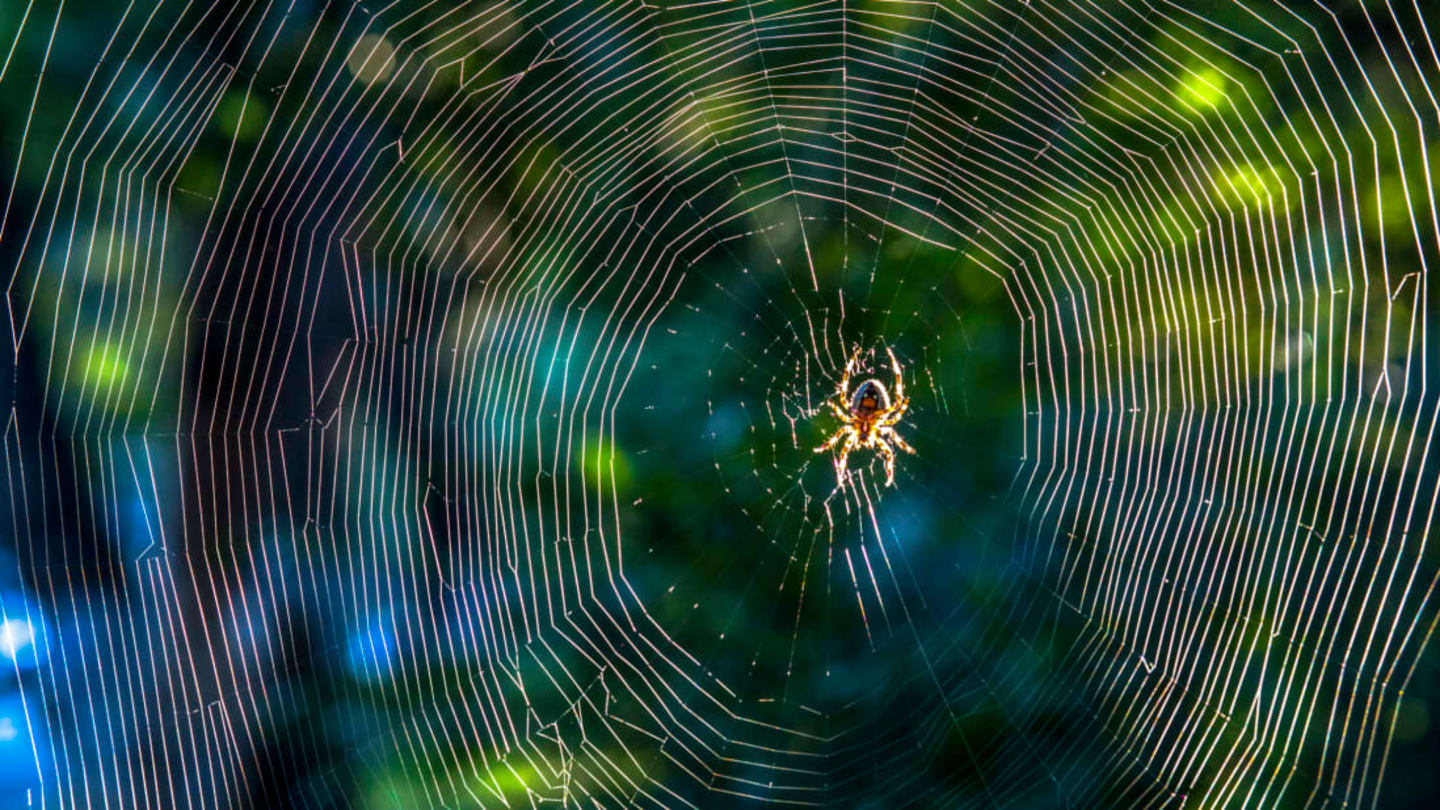
The âyou eat X number of spidersâ factoid changes depending on who you ask. Some people says itâs three, others eight, and still others might say as many as several dozen. Ask someone who really knows their spiders, though, and the number of ingested creepy crawlies drops right to zero.
Think about it this way, says Rod Crawford, Curator of Arachnids at Seattleâs Burke Museum and a dedicated buster of spider myths : To swallow even just one spider in your sleep, a number of very unlikely circumstances all have to happen at once.
The first, Crawford says, is that your mouth needs to be open. Sure, some people sleep that way, but not everyone. No open mouth, no swallowed spiders.
Second, the spiders have to get in your bed. âA totally normal, neatly made bed,â Crawford says, âhas maybe one or two spiders cross it per year.â Add some humans to the bed, and spiders really donât want anything to do with it. âMost people roll around in their sleep,â write doctors Aaron Carroll and Rachel Vreeman in their book, Don't Swallow Your Gum!: Myths, Half-Truths, and Outright Lies About Your Body and Health . âThis rolling would probably scare the spiders from wandering anywhere close to your face.â
Third and fourth, Crawford says, the spider would have to just happen to cross your body where your mouth is and be so bold as to enter an orifice thatâs exhaling warm breath. âJust try blowing on a spider and see how they react to that!â Crawford says. âItâs not attractive to them!â
Finally, youâd have to swallow the spider while sleeping, and Carroll and Vreeman point out that, âwe do not automatically swallow every time something goes into our mouths.â
The odds are pretty clearly stacked against you swallowing any one spider, let alone multiple ones over the years. âThe chance that all of these things would happen togetherâthat there would be a wandering, potentially suicidal spider in close vicinity to your mouth and that they would actually wander in to the wet dark breathing space and trigger your swallowing reflex,â Carroll and Vreeman write, âis really incredibly small.â
However unlikely, something like this still could happen, but we donât have any solid proof that it has. Plenty of people watch other people sleep, says Crawford, but heâs never seen or heard a single good eyewitness account of a spider climbing into a sleeping personâs mouth or of someone watching them sleep keeping it from almost happening.
Whatâs more, says Crawford, âEvery time you hear this story, the teller has a different number of spiders and a different length of time in which they are supposed to be swallowed. So even if one version had been correct, nearly all the tellers would still have to be lying!â
There might actually be another layer of BS to this urban legend. Many stories that debunk the spider statistic point to an article written in the early 1990s about misinformation on the early World Wide Web as its origin. The article on the spider story at Snopes.com , for example, reads:
All well and good, except that a web search doesnât turn up much of anything about Lisa Holst or PC Professional that isnât directly related to the genesis of the spider myth and saying pretty much the same thing as Snopes. The columnist, the column and the magazine donât seem to exist, or were at least lost to history before everyone and everything had some presence on Google. A few people, including a guy named Nick who runs the blog âEight Spiders,â have gone a little further in search of the source, but to no avail. Even the Library of Congress said they had no record of the magazine when Nick called them up. The story about how the story got made up may itself be made up . Whoa. Meta.
Loading recommendations... Please wait while we load personalized content recommendations