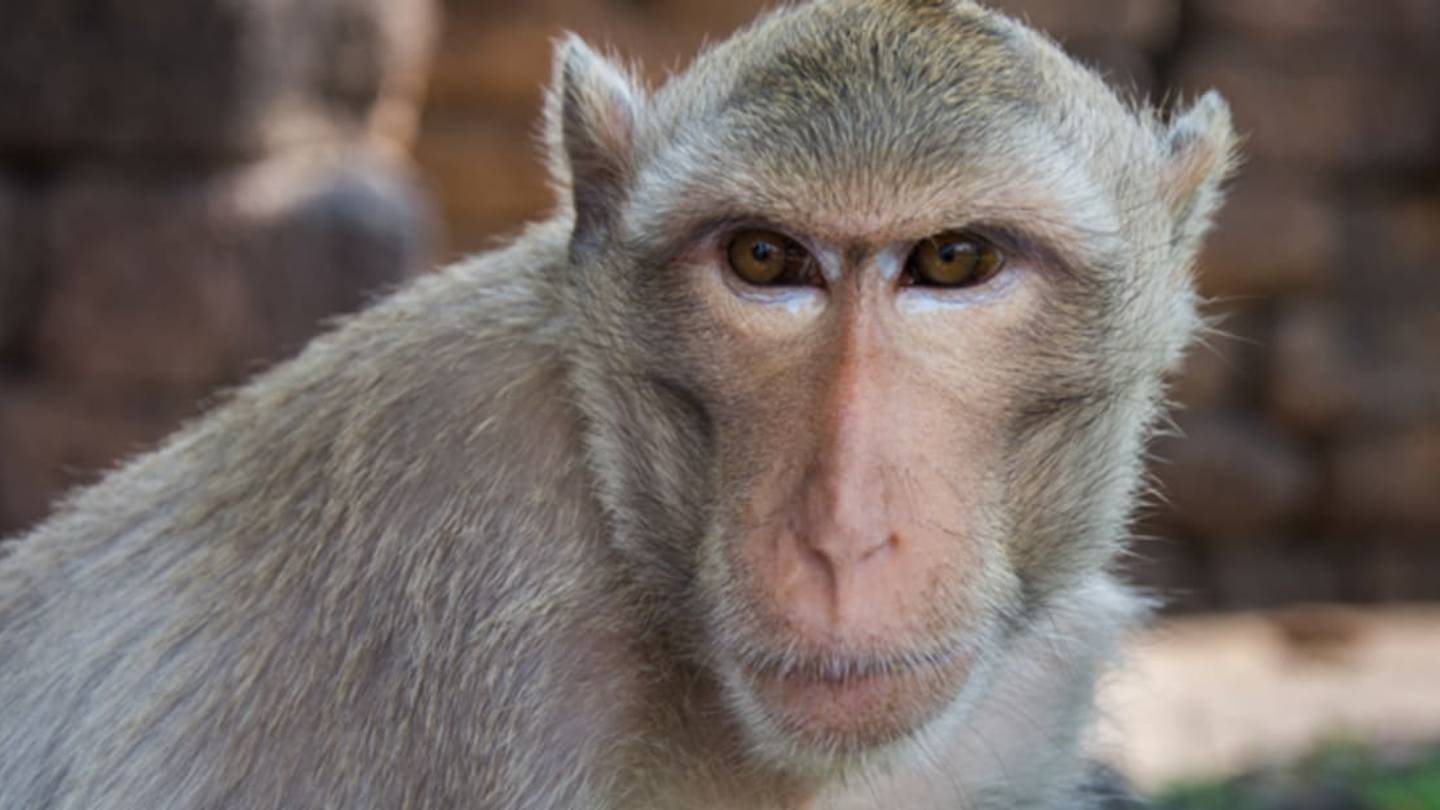
Adult macaques arenât interested in monkeying around when it comes to friendship. According to a recent study in Current Biology , as they age, macaques become increasingly selective about forming new social bonds, and generally prefer old friends to new. Researchers claim that these findings mirror sociological research on human friendships.
The study, conducted by researchers at the German Primate Center in Germany, analyzed how macaques of different ages responded to a range of social and non-social stimulation, Scientific American  reports. Researchers first observed how juvenile and adult macaques responded to a series of inanimate toys. Much like humans, the young macaques were fascinated by the toys, while those who had reached early adulthood werenât interested in them. Next, researchers presented macaques of different ages with photos and sound recordings of other macaquesâsome familiar to them, and others strangers.
Researchers found that adult female macaques were uniformly more interested in the images and voice recordings of their peers. Overall, they found that older females engaged in fewer social interactions, but continued to be interested in a select group of friends and âsocially importantâ individuals. Males, meanwhile, proved trickier to study, since most male macaques only express interest in the opposite sex during mating season.
However, researchers say initial data points to the same trend in males as in females. As the monkeys age, researchers explain, their social groups shrink. But, rather than lose interest in social interaction entirely, older monkeys simply prioritize a smaller group of close âfriends.â
Researcher Alexandra Freund told The New York Times  that the results of the macaque study seemed to parallel previous research on human friendships. As we age, Freund explained, we often prune our social networks: We make fewer friends in old age, and tend to prioritize older friends and important ongoing relationships. Researchers still arenât sure exactly why humans and macaques make friends more selectively as they ageâor whether the reasons are the same. Nevertheless, Freund believes the study shows just how much we have in common with other primates.
âOur behaviors that seem very much the result of our deliberation and choice,â Freund told The New York Times , âmight be more similar to our primate ancestors than we might think.â
[h/t Scientific American ]
Know of something you think we should cover? Email us at [email protected].
Loading recommendations... Please wait while we load personalized content recommendations