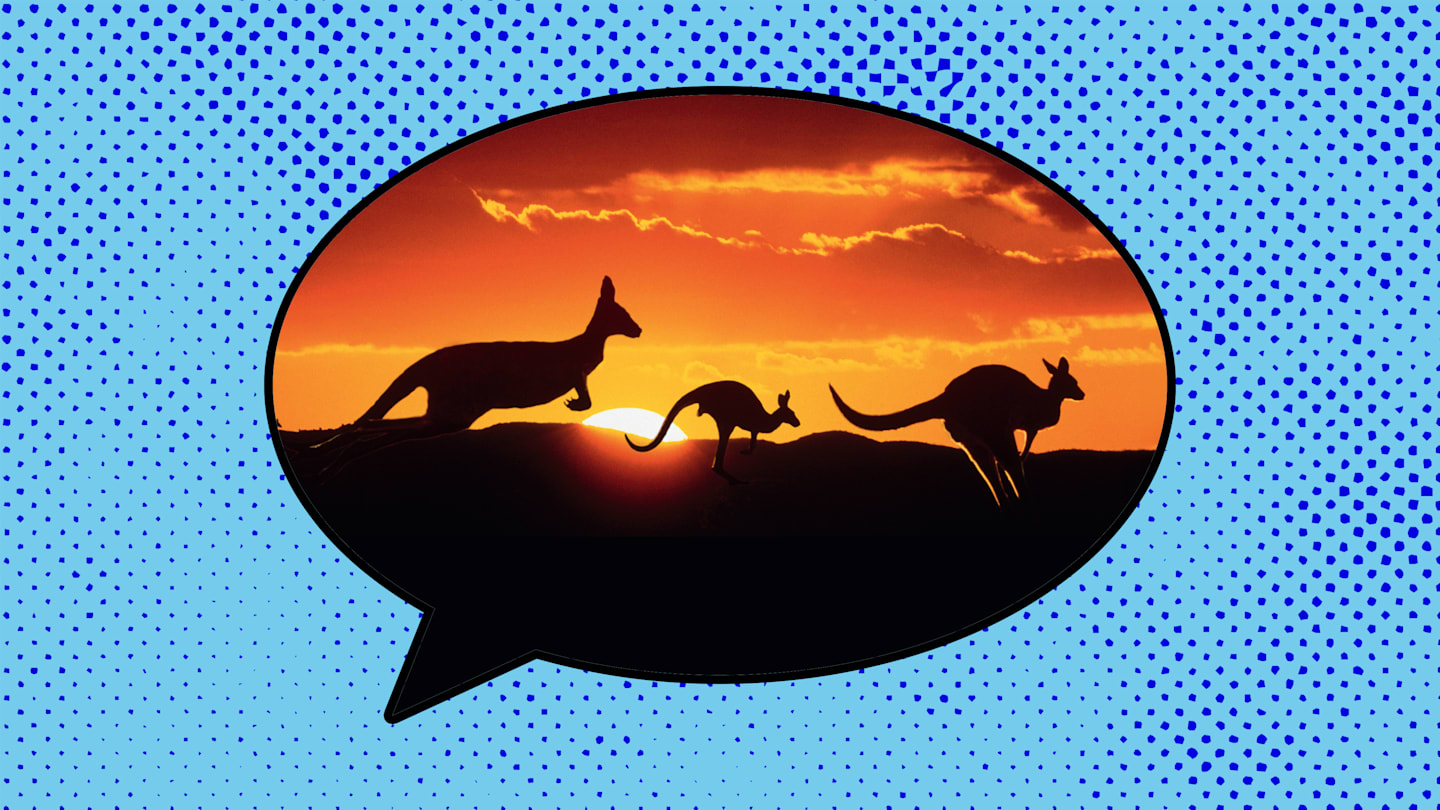
Marsupials are a subgroup of mammals defined by the fact that their young are born very early in their development, so they continue to grow for weeks to months while attached to their momâs nipples. That means no umbilical cord or placenta like your typical mammal. Sometimes, the babyâs development happens within a pouch, called a âmarsupium,â which marsupials were named after. Marsupials also have some other anatomical features that distinguish them from other mammals, but those arenât quite as interesting as the pouch thing.
There are over 250 species of marsupials , and around 200 of them live in Australia, New Guinea, and nearby islands. That may be because there were fewer mammals to compete with in those areas during ancient times, so more marsupial diversity was able to thrive.
In the latest episode of The List Show, host and editor-in-chief of Mental Floss Erin McCarthy breaks down our favorite facts from this strange group of adorable creatures. You can read some of them below, and get the full list by watching the video above.
Did you know there are wild wallabies in Scotland? Since wallabies are a member of the kangaroo family , you might expect to only find them in Australia. And there are plenty there. But it turns out, you can also find them in the UK. We have Countess Fiona Bryde Gore to thank for their presence in Scotland. She was a collector of exotic animals who brought them to the island of Inchconnachan during the 1940s. There are still around 50 to 60 wallabies there today. Beyond that island, wallabies get spotted throughout the UK, about 100 times per year, probably after escaping from zoos or private ownership.
The largest marsupial to ever exist that we know about was called a âDiprotodon.â It kind of looked like a wombat, but it weighed 3 tons, so imagine a wombat the size of 23 large wombats put together. Diprotodon went extinct around 40,000 years ago, maybe due to climate change or humans hunting it.
Regardless of why, kangaroo hopping is pretty impressive. The largest ones , red kangaroos, can leap 25 feet in distance and 6 feet high. Red kangaroos can also hit 35 miles per hour. One thing they canât do, though, is hop backward. Their feet are too long, and their tails are too big.
As for their other limb, most kangaroos are left-handed , which was determined by researchers who observed kangaroos doing activities like grooming and feeding. This is the only animal species we know about with a preference for one hand, besides people.Â
The koala spends up to 20 hours every day resting or sleeping. They need that much rest because they primarily eat leaves, which arenât great for energy. Koalas get most of their water intake from eucalyptus leaves, so itâs rare to find one drinking water. Itâs thought the name koala came from an Australian Aboriginal word meaning âno drinkâ or âno water.â
Tasmanian devils are the only known picky scavengers. In research on the animals, scientists found that only 10 percent of them ate whatever they happened to come across. The other 90 percent had favorite foodsâsometimes possums, sometimes wallabies, or rosellasâand they would hold out to eat mostly what they preferred.Â
This story was adapted from an episode of Misconceptions on YouTube. Donât forget to subscribe  for fascinating videos every week.
Loading recommendations... Please wait while we load personalized content recommendations