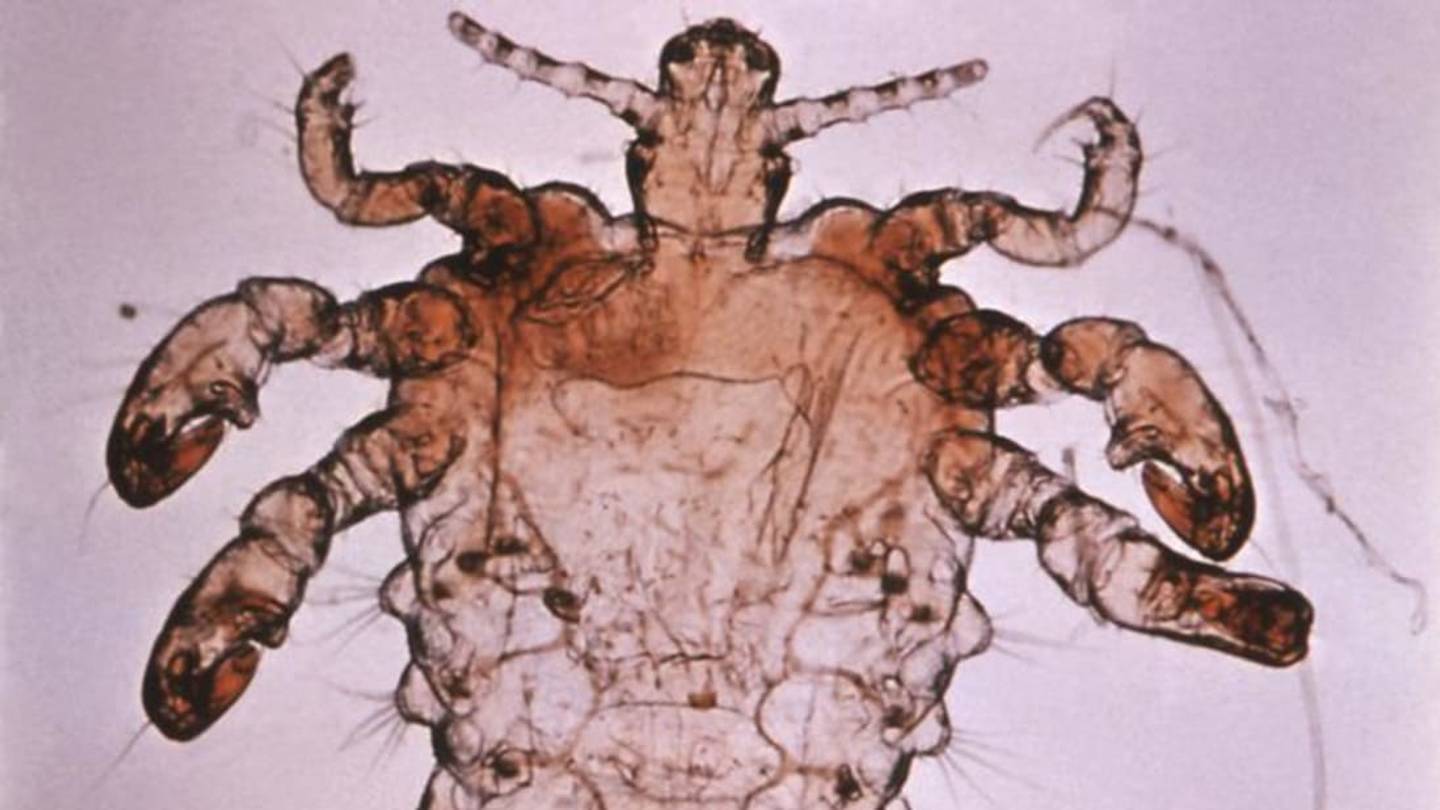
On Sunday, Bloomberg ran a story on its website linking the supposed decrease and disappearance of pubic lice (Pthirus pubis, a.k.a. âcrabsâ) with the popularity of bikini waxes. Itâs kind of a feel good story: an expensive, painful grooming ritual paying off with the eradication of an annoying and embarrassing parasite. Itâs also pretty much pulled out of thin air.Â
The whole premise of the storyâcrabs are disappearingâdead-ends pretty quickly as far as evidence goes. The Bloomberg story pegs its thesis almost exclusively on the fact that the Sydney Sexual Health Centre in Australia âhasnât seen a woman with pubic lice since 2008,â and one of the doctors there chalks it up to âbetter grooming.â
Thatâs one clinic, a pretty small data set from which to extrapolate and declare a species endangered. The Bloomberg piece finally acknowledges that thereâs really no other data to be had about halfway into the story:
So no one actually knows if there are less lice out there or not. You can track cases in a single hospital or group of hospitals, maybe, but no oneâs recording the data on a large scale. Good for the storyâs authors for coming clean on that, but it feels like a bait and switch, and after the story went viral, this important point got lost in lots of other pieces that riffed on it. Whatâs more, no one is pointing the finger at bikini waxes as the cause of any lice die-offâif there is oneâexcept that one doctor, and the story doesnât even make a case for his assertion.Â
Data deficiency exposed, the article also cites a letter from the journal Sexually Transmitted Infections, in which two doctors at a Leeds, England clinic muse on a drop in lice cases at their office and connect it to waxing. The problem, again, is little to no data, and trying to pull a trend out of observations from a single site. Here, the observers admit they donât even know the waxing rates or habits of the patients behind their numbers. All they can say is that the downward trend âcoincided with the introduction of extensive waxing techniques, such as the 'Brazilian,' in women in the United Kingdom.âÂ
If youâll step with me into the Speculation Zone, I donât think we need to worry about the total loss of pubic lice. For one thing, they also take up residence in eyebrows, and arenât completely reliant on our nether regions to make their homes. And letâs not forget that not every man and woman in the world has the luxury of being able to wax or shave their naughty bits, or even wash them regularly with soap and water. If grooming is a threat to louse-kind, it's one that stops at the edge of the industrialized world.
However, neither I nor the writers at Bloomberg, nor a doctor in Sydney or Leeds, can say anything definitive about whether the lice are out there or not, because the empirical evidence definitely isn't.
Loading recommendations... Please wait while we load personalized content recommendations