We like to believe that thereâs no such thing as a bad organism, that every creature must have its place in the world. But ticks are really making that difficult. As if Lyme disease wasn't bad enough, scientists say some ticks carry a pathogen that causes a sudden and dangerous allergy to meat. Yes, meat.
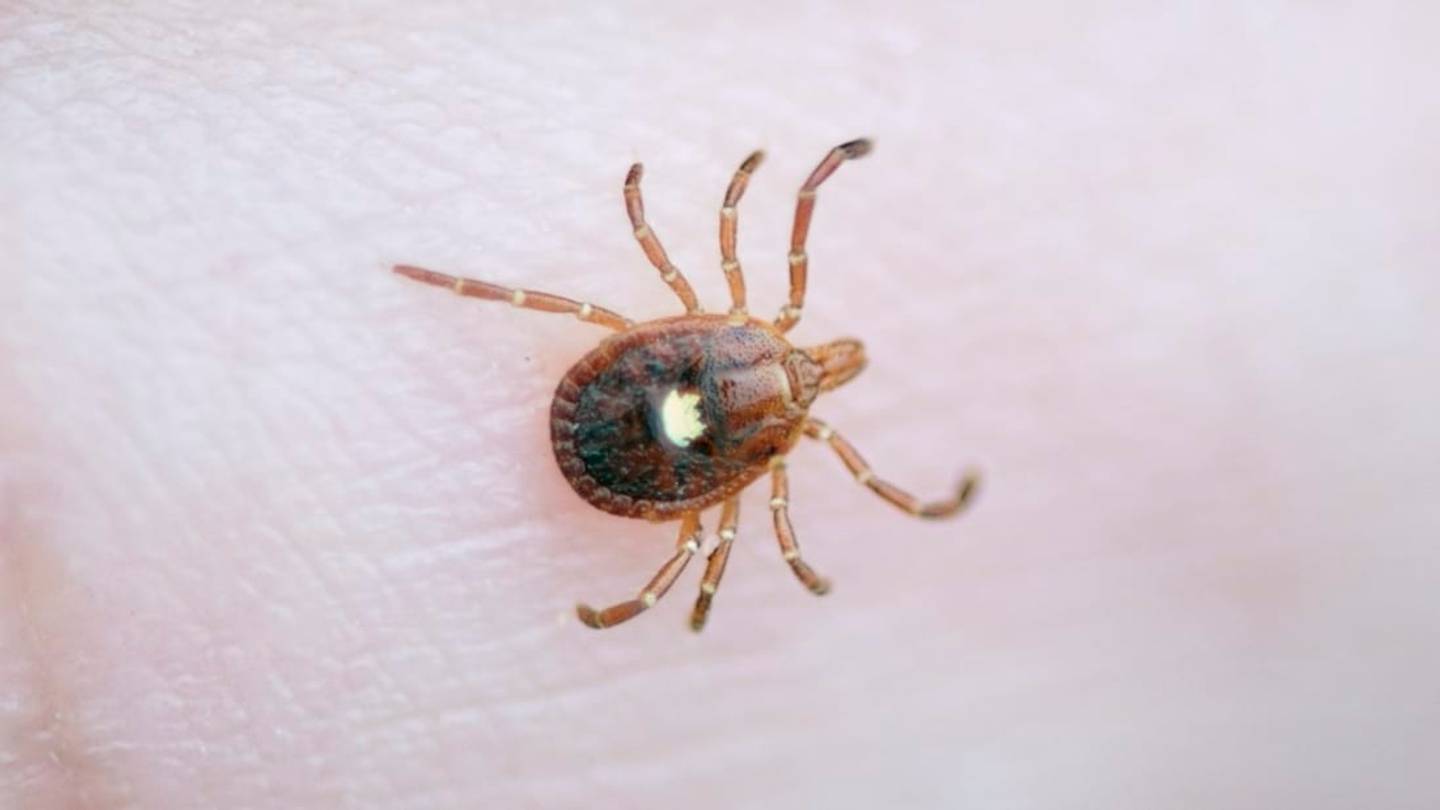
The Lone Star tick ( Amblyomma americanum ) mostly looks like your average tick, with a tiny head and a big fat behind, except the adult female has a Texas-shaped spot on its backâthus the name.
Unlike other American ticks, the Lone Star feeds on humans at every stage of its life cycle. Even the larvae want our blood. You canât get Lyme disease from the Lone Star tick, but you can get something even more mysterious: the inability to safely consume a bacon cheeseburger.
"The weird thing about [this reaction] is it can occur within three to 10 or 12 hours, so patients have no idea what prompted their allergic reactions," allergist Ronald Saff, of the Florida State University College of Medicine, told Business Insider .
What prompted them was STARI , or southern tick-associated rash illness. People with STARI may develop a circular rash like the one commonly seen in Lyme disease. They may feel achy, fatigued, and fevered. And their next meal could make them very, very sick.
Saff now sees at least one patient per week with STARI and a sensitivity to galactose-alpha-1, 3-galactoseâmore commonly known as alpha-gal âa sugar molecule found in mammal tissue like pork, beef, and lamb. Several hours after eating, patientsâ immune systems overreact to alpha-gal, with symptoms ranging from an itchy rash to throat swelling.
Even worse, the more times a person is bitten, the more likely it becomes that they will develop this dangerous allergy.
The tickâs range currently covers the southern, eastern, and south-central U.S., but even that is changing. "We expect with warming temperatures, the tick is going to slowly make its way northward and westward and cause more problems than they're already causing," Saff said. We've already seen that occur with the deer ticks that cause Lyme disease, and 2017 is projected to be an especially bad year .
Thereâs so much we donât understand about alpha-gal sensitivity. Scientists donât know why it happens, how to treat it, or if it's permanent . All they can do is advise us to be vigilant and follow basic tick-avoidance practices .
[h/t Business Insider ]
Loading recommendations... Please wait while we load personalized content recommendations