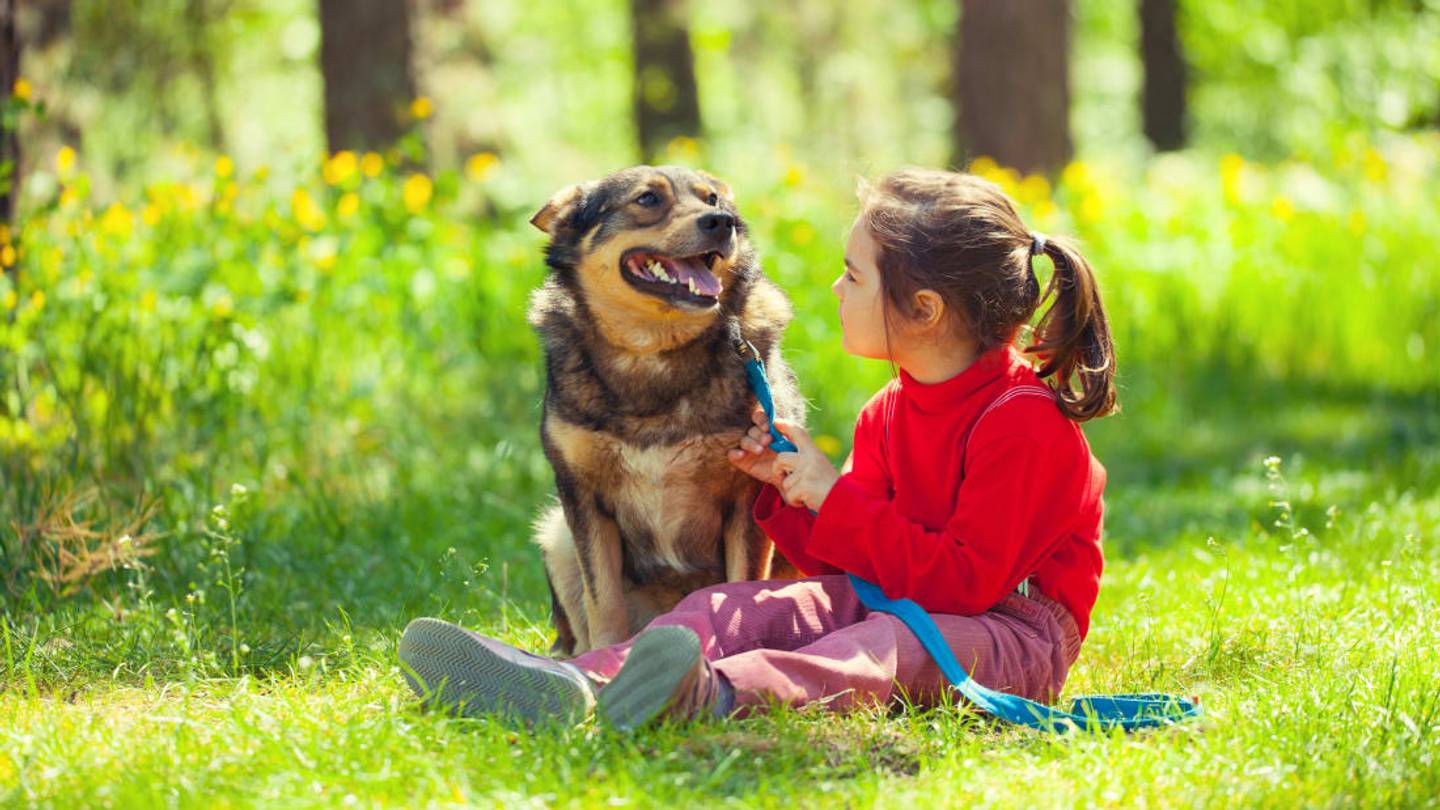
As a nickname for a cat, the word mog or moggy is thought to come from Maggie, a name that was once used more generally in the language as a nickname for any young woman or girl. As a nickname for a dogâand in particular a shabby-looking oneâthe word mutt dates back to the late 19th century. But oddly, it originally referred to a slow or poor-quality racehorse, not to a dog, and derives from muttonhead , an even older word for a fool or simpleton. But if youâre a dog or cat owner, those arenât the only words worthy of a place in your vocabulary â¦
As well as being another word for a mischievous child, if you have a cat that likes to investigate the shelves where you store your food, it's a climb-tack .
The word comeling has been used since the 13th century to refer to someone who visits or enters somewhere or joins a new group of people as opposed to one of its regular or permanent residents or members. Derived from that, cumlin is an old word for an animalâand in particular a catâthat spontaneously attaches itself to a new owner.
An old Scots word for the sound of a purring cat, often used in the expression âto sing cuttycrumb.â
A 17th century word for a catâs whiskers, granons ultimately derives from an old Germanic word probably meaning âmustache.â
Haingle is a Scots word derived from hang , in the sense of feeling unwell or tired. As a verb, haingle can be used to mean to move languidly or feebly, or to look tired or jaded. And from there, it came to be used as a nickname for a greedy or lazy dog in the early 19th century.
Hundge is an old Scots word meaning âto drive or chase away,â which comes from an earlier verb hund , meaning âto chase like a hound,â or âto run from place to place.â A diminutive form, hundgie âliterally âa little chaserââwas once a nickname for an energetic dog.
When a dog or a cat curls up in a ball to sleep, you can call that âin a kreesal ,â an old Scots expression derived from an earlier word, kreeso , for an untidy bundle of clothes or anything else.
The playwright Samuel Beckett coined the word pugnozzle in 1934 to mean, according to the Oxford English Dictionary, âto move [the upper lip and nostrils] up and down in the manner of a pug dog.â
From the mid-16th to the early 19th century, the word rum was used in English slang to designate particularly beautiful or excellent things. In that sense, it has nothing to do with drink and, according to one explanation at least, derived from the place name Rome and was meant to allude to the cityâs fine architecture. So a rum cove was a handsome or rich gentleman, while a rum doxy was a beautiful woman. A rum beak was a fair judge or magistrate known among criminals for his lenient sentences. And a rum buffer was a particularly fine or handsome dog.
Thought to be derived either from snip or snipe , the word snape has a number of different snappy and snatching meanings in English, including âskimp on food,â âto snuff out a candle,â and âto pinchâ or âdeceive.â As a verb, it can also be used to mean âto call off a dog.â
As well as being another word for a noisy intake of breath, according to the English Dialect Dictionary , to snowk something is to smell it like a dogâthat is, by poking or pushing your nose into it.
As an adjective, spitfire has been used to mean âhot-temperedâ or âirascibleâ since the early 1600s, and in that sense was given to a type of single-seater aircraft that gained fame during the Second World War. But in the early 1800s, the word was applied to an enraged or irritable cat, and remained in use through to the turn of the century.
Dating back as far as the 15th century, trundle-tail is an obsolete nickname for a dog with a fluffy, curly tail; Shakespeare used it in King Lear .
A vire-spannel âliterally a âfire spanielââis a dog that likes to sit idly by the fire. The cat equivalent is a fire-scordel .
Whiffet is a 19th-century American word for a small dog . Itâs thought to be derived from whiff , in the sense of a light gust of wind, and is perhaps modeled on whippet .
A version of this list was first published in 2016.
Loading recommendations... Please wait while we load personalized content recommendations