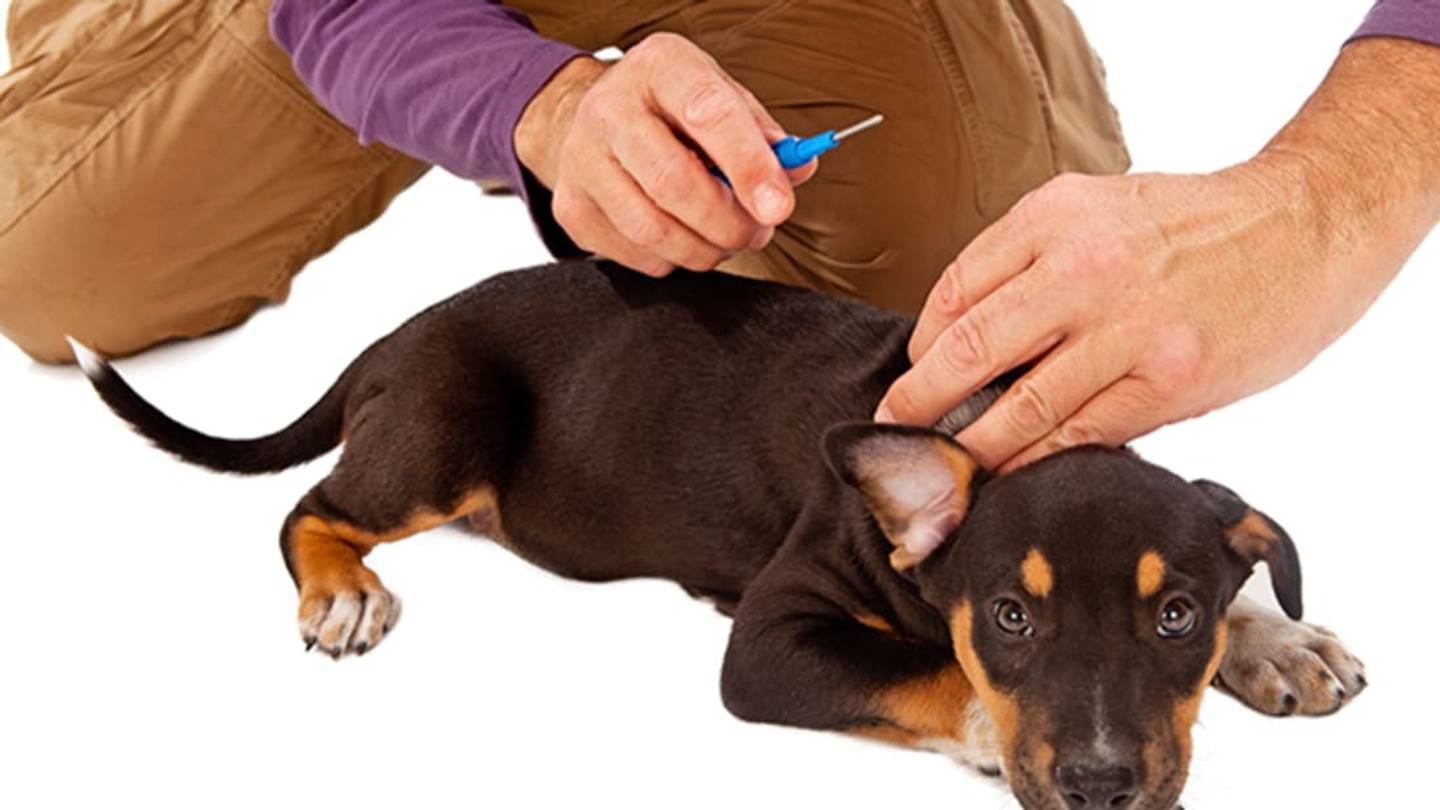
When it comes to finding a lost pet, microchipsâimplantable computer chips that are encoded with a unique ID number and placed under your petâs skinâare way more effective than a standard nametag. In fact, one 2009 study shows that dogs with microchips were returned to their homes 74.1 percent of the time âcompared to just 13 percent of all stray or missing dogs.
To remind pet owners to have their pets microchipped (and to keep the registration information up-to-date), the American Veterinary Medical Association (AVMA) and the American Animal Hospital Association (AAHA) designated Monday, August 15, as Check the Chip Day . Donât know much about the procedure? mental_floss spoke with Dallas Harsa, director of sales and business development at AKC Reunite , a division of the American Kennel Club that promotes microchipping. She provides more details on the practice, and tells you what to do to ensure a lost pet returns safely home.
âMost vet clinics will microchip a pet,â Harsa says. âYou can call up your favorite vet and see if they have a special day that they will microchip, and your local city shelter, animal shelter, or rescue groups often have microchipping clinics that they offer to the community as a way of giving back. You can get discounted rates, but your veterinarian is usually the best place to go. They can do it during a spay/neuter procedure, they can do it during an exam, and they can also do it as a walk-in."
Don't worryâa microchip's insertion won't hurt Fluffy or Fido. "It's a simple procedureâthe microchip is injected right between the shoulder blades," Harsa says. "The technician uses a bigger needle than what you or I would get for a regular shot because itâs not pushing through liquid; the chip is actually the size of a grain of rice. But the process is virtually painless.â
After your pet gets microchipped, immediately register the chip with your contact information, and submit it to the chip manufacturer, distributor, or another established national pet recovery service. Your vet or clinic may provide you with an enrollment form or phone number, or you can use the Universal Pet Microchip Lookup Tool provided by the AAHA. There, you can enter a microchip code and find participating microchip registries associated with the chipâs number and manufacturer.
This step is vital, as the company or organization you register the chip with will call, email, or text you if someone finds your pet and contacts them. (Often, theyâll do so by calling an 800 number provided on the animal's tag.) But pet owners occasionally forget to register the chip, or they mistakenly donât register the pet in a reputable database, Harsa says.
âSometimes a pet has a microchip, but there's absolutely no information tied to it,â Harsa explains. âOr they could have enrolled with a service thatâs not a registry that's been around for a long time, so people might not even know about it."
âSome vet clinics will enroll the petâs microchip to make sure that first step has been done, but they'll only take basic information,â Harsa says. âThey wonât have all the emergency contacts or additional informationâso, if for some reason youâre out of town and canât be reached or your cell phone inbox is full, you want to make sure you have another number in your record.â
Also, keep in mind that itâs handy to have a disaster plan. âIn the case of a natural disaster, it's good to have a point of contact that's outside of your immediate area,â Harsa says. "If something happens and youâre displaced from your home or youâre away from your phone, they can help you get your pet back.â
According to AKC Reuniteâs data, 58 percent of petsâ microchips arenât linked to the correct owner informationâmostly because their human companions have moved, gotten rid of their landline phones, or switched jobs and forgot to update their petsâ microchip data. When undergoing these kinds of major life changes, donât forget that they also affect your furry companions, and adjust your registration info accordingly, Harsa advises.
âWhile we recommend that all pets be microchipped, the collar tag is equallyâif not moreâimportant,â Harsa says. âIf a pet is lost and wandering and visual identification is not recognizable, people will think it's a stray, and may not be as likely to approach it or try to help it. Granted, thereâs animal control, and animals will end up in a shelter or some sort of rescue organization, but neighbors often find pets. If they don't recognize the pet, theyâll know to give it back to somebody if thereâs a collar and tag on it.â
Loading recommendations... Please wait while we load personalized content recommendations