No matter what precautions you take and how careful you are, sometimes pets slip out. Losing an animal is a very stressful situation, but itâs important to stay calm, act fast, and prepare a comprehensive plan of action. Here are nine things you should do if your pet ever goes missing.Â
Search places in your home where Fluffy or Fido may have become trapped, including the basement, garage, closets, cabinets, crawl spaces, sheds, and areas that may be under renovation [ PDF ]. If you have a fenced-in yard, head outside and check for any holes in or under the perimeter that your pet may have escaped through. It wouldnât hurt to shake a bag of your cat or dog âs favorite treats and call out their name while you look.
Call and visit local animal shelters and fill out a lost pet report at each of them. Program their number into your phone so you can make follow up callsâeven if your pet isnât there when you visit, it may be dropped off there at a later time. You should also contact your local animal control officers.
If your pet goes missing when traveling, use the lost and found function on Petfinder or search Google to find local shelters or rescues. Ask if there are any other places in the area that may take in lost animals.Â
Some vets take in lost pets and may care for them for a short time before the animals are transferred to shelters. Make sure veterinarian offices in your area have a description or photograph of your missing animal, as well as your contact information.
Your local dog licensing authorities should be made aware that your pet is missing. Verify that the contact information they have on file is up to date.Â
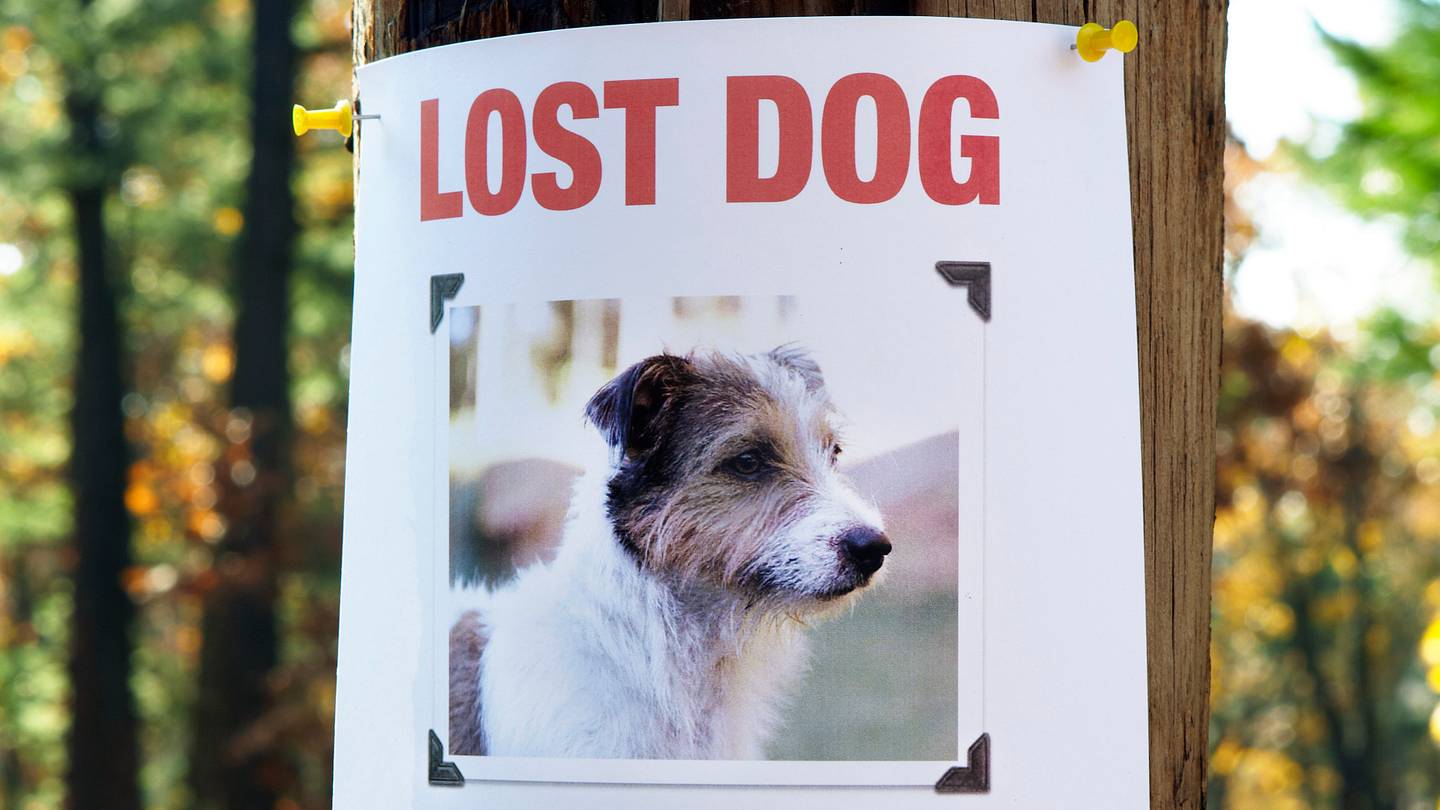
Fill out a lost pet poster with a recent photo of your pet, making sure to mention any distinguishing features, the name of your animal, and your contact information. Put the posters up over a wide radiusâa lost pet, especially one that is frightened, disoriented, or confused, may travel farther than you expect.Â
Make a smaller version of your lost pet poster or print outs and leave them at local businesses, place them on car windshields, and hand them out to anyone you run into.Â
Some lost pets may stay hidden during the day and only come out at night. Use a flashlight when searching at night and call out your petâs name while looking for them. Bring a can of food with youâthe smell may lure them out.Â
Post a recent photo of your pet and all relevant informationâits name, physical characteristics, your contact info, and where it went missingâon community forums, Facebook, Instagram, or any other platforms you think might be effective in your search. People online often unite far and wide to find missing animals. Sites like Petfinder and Petco Love Lost can also help you relocate your lost four-legged family member.
If your petâs ID has an address on it, make sure at least one person is present at your home at all times. Someone may return your pet, or your animal may come home on its own.Â
Consider getting your pet microchipped . The tiny chips are inserted under an animalâs skin; vets and shelters will often scan pets upon intake to see if theyâve been chipped. A GPS collar is another option, although this wouldnât be helpful if your pet manages to wiggle free of it or if the battery runs out.Â
Make sure your contact information on your petâs identification tag is up to date (even cats should wear collars with ID tags). Keep a recent photo of your pet on hand in case you need to make missing pet posters or online posts, and register your pet with a lost and found agency like Petfinder .
If a firework-filled holiday is approaching and youâre worried your pet may bolt out of fear, consider talking to your veterinarian about which calming medications you can use, and ensure your animal is securely contained in an area they canât escape from.
Read More About Pets Here: