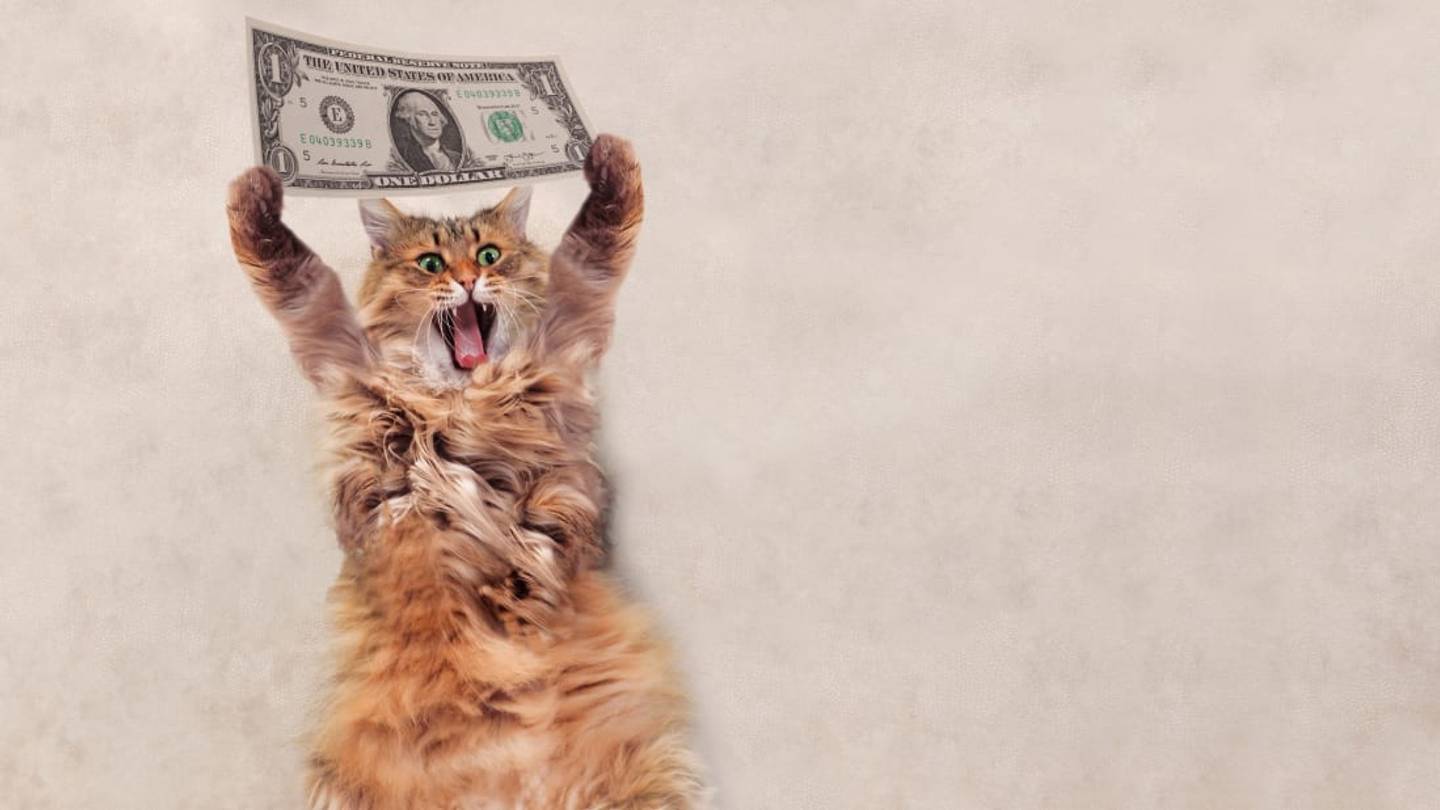
When iconic fashion designer Karl Lagerfeld died at age 85 in 2019, he left a portion of his $300 million fortune to longtime companion Choupette. The female Burmese cat will, presumably, eat only the fanciest of feasts for the duration of her well-heeled life.
But Lagerfeld is not the only decedent to make sure a furry friend stands to benefit from their wealth. An increasing number of people are making sure there are provisions to provide for pets in the event of their death. But can a person legally leave money to an animal ?
Technically, no. âAn animal is legally considered property,â Alice JaKyung Choi, an estate planning lawyer at Novick & Associates in New York City, tells Mental Floss. By law, a person cannot will their property to an animal because that animal is also considered property. They would instead have to include a provision in their will that sets aside a certain amount of money for the care of their pet.
While legal, this isnât typically recommended by lawyers, as thereâs no real oversight to make sure whoever is taking care of the animal would use the funds exclusively for the animalâs benefit.
There is a better solution. âIt is advisable to set up a pet trust if you want to make sure that your petâs needs are met,â Choi says.
A pet trust offers a system of checks and balances that ensures the petâs needs will be addressed. In a trust, the beneficiaryâthe dog, cat, parrot, or other animalâwould receive the benefits of the money under the oversight of the trustee, the person named as the distributor of the funds. The trustee would deliver that money to the caretaker, or person looking after the pet. Either the trustee or someone named as the enforcer of the trust has the legal right to supervise the caretaker and make sure the money is being used as intended. The decedent, or testator, can also specify a residual beneficiary that would get the remaining funds after a pet has died. That might be a charity or the caretaker.
While a trust offers greater peace of mind than simply leaving money in a will, thereâs still potential for abuse. A caretaker could, in theory, buy a replacement pet if the original one dies, so that they could continue to receive whatever financial benefits were allotted in exchange for taking care of the animal.
Sometimes relatives might question the amount committed to a pet. When controversial real estate magnate Leona Helmsley died in 2007, she left $12 million to her dog, a Maltese named Trouble . Helmsleyâs human relatives protested. A judge eventually reduced Troubleâs windfall to a mere $2 million.
âIf the relatives have standing to challenge, then they can challenge anything on the grounds that the testator in a will or a grantor in the trust did not have mental capacity, [had] undue influence, [that] the document was not duly executed, [or that there was] fraud, duress or forgery,â Choi says. âIt will be very case-specific.â
Choi estimates that about 10 percent of her clients make provisions for pets in their wills or estate planning. âI donât think it is for lack of love or care, but because the will [or] trust goes into effect probably years after you have executed it, unless you are creating it when you are sick or very old. Therefore, it is likely the specific pet that you refer to may not be around when [it] goes into effect.â
Pet owners who care for turtles or birds should probably consider planning in advance, as itâs quite possible they could outlive their human friends. In any case, Choi says itâs best to establish a trust and appoint a caretaker so funds can be used to make sure your petâs needs are met. A pet trust can be included as part of a will for as little as $100 in some states.
If a pet isnât mentioned in a will or other legal document, it could wind up in a shelter . âIf nothing is mentioned in your will regarding your pet, then it would be subject to the executorâs discretion and what is in the best interest of the estate, not the pet,â she says. âA pet trust guarantees what the testator wanted for the pet and gives authority [and] funds to the trustee to execute the testatorâs wishes for the pet.â
As for whoâs more likely to coddle their pet with a posthumous pile of money, dog or cat owners, Choi can only observe whatâs she seen in her practice. âHonestly, I think they are about the same. Although I personally, without hard evidence, slightly believe that it leans more toward dog owners.â
Have you got a Big Question you'd like us to answer? If so, let us know by emailing us at [email protected] .
Loading recommendations... Please wait while we load personalized content recommendations