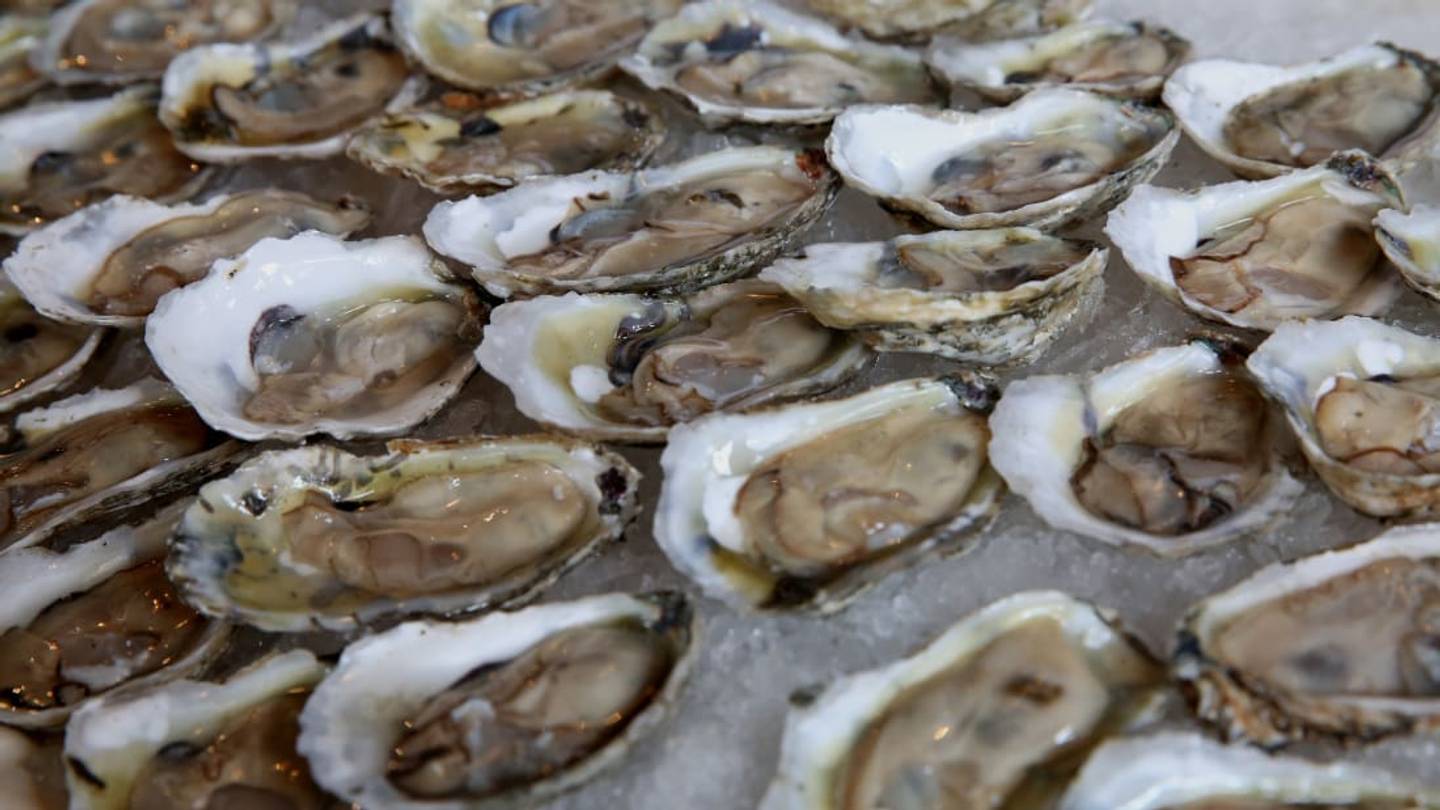
How 'bout them ⦠oysters?
Despite the city's ever-changing landscape, many would be surprised to learn that New Yorkâfamously nicknamed the Big Appleâcould have just as easily been known as the Big Oyster for the landâs once-plentiful oyster beds that were regularly harvested by the area's Lenape tribes. The Dutch took note of these clamsâspecifically their gigantic size and numberâleading them to deem areas such as today's Ellis and Liberty islands as "Little Oyster Island" and "Great Oyster Island," respectively.
In his book The Big Oyster : History on the Half Shell , Mark Kurlansky claims "the history of New York oysters is the history of New York itselfâits wealth, its strength, its excitement, its greed, its thoughtlessness, its destructiveness, its blindness, andâas any New Yorker will tell youâits filth." For him, oysters are the real New Yorkers, the true natives of the land.
According to Kurlansky, the most common indicator of pre-European settlements in New York are middens âan archaeological term for piles of domestic waste left behind by the ages. These shell heaps are found throughout the city, with one particularly mountainous pile reportedly giving Manhattan's Pearl Street its name (although these oysters were not the pearl-producing kind). When New York's oyster business boomed, the sheer bulk of the delicacy contributed to low prices. By 1860, there were more than 12 million oysters sold in New York markets annually.
Eventually, oyster populations were severely reduced by pollution and overharvesting. Although there are some modern efforts to bring back the oyster's former glory, the city's standing as a mollusk haven has become a nearly forgotten thing of the past.
Loading recommendations... Please wait while we load personalized content recommendations